Home fitness equipment lives or dies on one question: will you actually use it in six months? The gear that earns a permanent spot in your living room or garage isn't necessarily the most advanced — it's the equipment that matches your actual training style, fits your space, and doesn't require a repair technician after a few dozen sessions.
The category spans a wide range, from a five-dollar resistance band to a fully rigged power cage, and the right pick depends entirely on what you're training for. A beginner rebuilding a walking habit needs different equipment than someone chasing a heavier deadlift, and both need something different from someone training around a joint injury.
How We Evaluate Fitness Equipment
Every product on this page is assessed against build quality and durability under repeated use, genuine versatility across different training goals rather than a single narrow use case, safety margins (weight capacity, stability, and construction relevant to how the equipment is actually loaded), and value relative to comparable gear at a similar price point. We also weigh how much space and setup a piece of equipment demands relative to the training benefit it delivers, since equipment that gets shoved in a closet after a month provides no value at all.
How to Choose
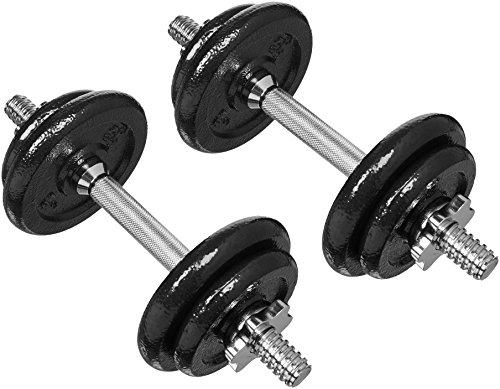
Start with your actual training pattern, not an aspirational one. If you're new to structured exercise, adjustable equipment (resistance bands, adjustable dumbbells) that scales with you as you improve is a better investment than committing to fixed heavy equipment before you know your baseline. If you're already training consistently and hitting the ceiling of bodyweight or light-resistance work, equipment that allows genuine progressive overload — a proper barbell and rack setup, or a meaningful dumbbell range — matters more than convenience features.
Space and noise constraints are worth being honest about upfront: a power cage needs real floor space and ceiling height, while resistance bands and a yoga mat fit in a drawer. Weight capacity and construction quality matter more than they might seem, particularly for anything supporting your full bodyweight under load, like a pull-up bar or bench — cutting costs here is a genuine safety trade-off, not just a durability one.
Whatever you choose, equipment is only as good as the program built around it. The best home gym setup is the smallest one that actually gets consistent use, not the most complete one gathering dust in a corner.