If you've already got a foam roller, a massage gun, and a drawer full of compression socks, pneumatic compression boots are the next step up in a home recovery setup — and a genuinely different tool, not just a fancier version of what you already own. Instead of passive compression or manual pressure, these boots use an air pump to inflate and deflate chambers around your legs in sequence, mimicking the rhythmic squeeze-and-release pattern that helps move fluid back up out of tired legs.
How Pneumatic Compression Boots Differ From What You Already Have
Compression socks apply constant, passive pressure — useful, but static. A massage gun works through percussion on muscle tissue directly. Compression boots do something different: they inflate in sequential chambers, usually starting at the foot and working up through the calf and thigh, creating a wave-like squeeze that's designed to encourage circulation after hard training. This is the same general category of technology used by many professional and college sports programs, just packaged for home use.
What to Look For
- Sequential vs. single-chamber inflation — sequential (multi-zone) compression that moves in a wave is generally considered more effective than a boot that just inflates as one unit.
- Pressure range and customization — look for adjustable pressure levels so you can dial in intensity rather than being stuck with one setting.
- Coverage — full-leg boots (foot through thigh) cover more ground than calf-only designs, which matters if your training involves your whole lower body.
- Portability and setup time — a controller you can actually understand, and boots that pack down reasonably for travel, make a real difference in whether you'll use them consistently.
- Who should be cautious — anyone with a history of blood clots, deep vein thrombosis, or other circulatory conditions should talk to a doctor before using pneumatic compression, since these devices are built around actively moving fluid through your legs.
Our Picks
Hyperice Normatec 3 Legs Compression Boots
$899.00
Hyperice is the category-defining name in pneumatic recovery, and the Normatec 3 is the version you'll see on the sidelines of professional and college sports programs — full-leg coverage with true sequential, pulsing compression and adjustable pressure zones controlled via a companion app or standalone controller.
FIT KING Air Compression Recovery System
$359.96
A strong mid-range alternative that delivers full-leg sequential compression at well under half the price of the premium pick, with multiple pressure and mode settings. Availability is currently limited on Amazon, so if this one catches your eye, don't wait too long to decide.
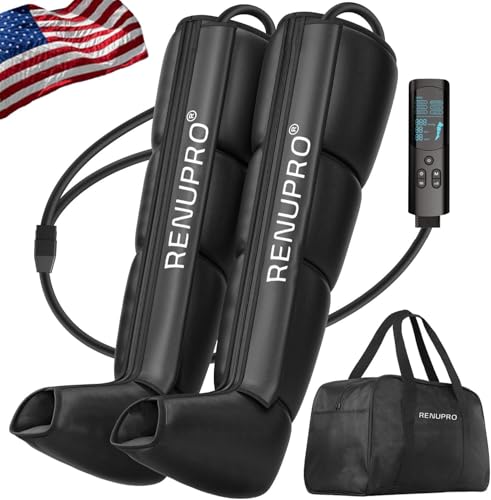
RENUPRO Leg Compression Massager
$199.97
The accessible entry point into pneumatic leg compression, and a reasonable way to try the category before investing in a premium system — air compression massage designed to support circulation in the legs, with multiple intensity settings for a more customizable session.
The Bottom Line
Compression boots are a genuine step up from foam rollers and compression socks, not a replacement for them — think of this as the higher-ticket addition once you already have the basics covered. Hyperice's Normatec 3 is the gold standard if budget isn't the deciding factor; FIT KING gets you most of the same sequential-compression experience for a fraction of the price (while supplies last), and RENUPRO is the lowest-risk way to find out if pneumatic compression is worth it for your routine at all.