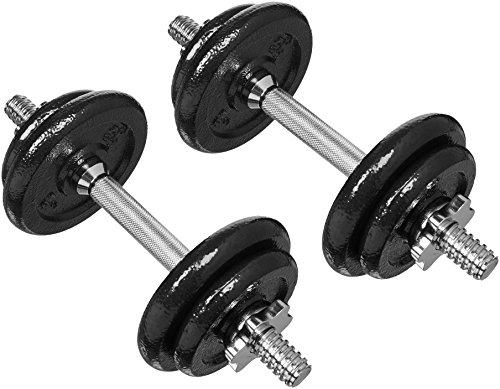
Strength training for women continues to face persistent myths, particularly around bulking concerns, that don't hold up against basic exercise physiology — understanding why these myths are inaccurate, alongside the genuine benefits and reasonable starting approach, helps address hesitancy that keeps many women from an activity with substantial, well-documented health benefits.
Why the Bulking Myth Doesn't Hold Up Physiologically
Significant muscle bulk, the kind associated with competitive bodybuilding, requires substantially higher testosterone levels than most women naturally have, along with specific, dedicated high-volume training and often deliberate caloric surplus eating specifically aimed at maximizing muscle growth — typical strength training for general fitness, health, and toning goals produces meaningfully different physique outcomes than this specific bodybuilding-oriented approach, making the common "I don't want to get bulky" concern based on a physiological misunderstanding rather than an accurate reflection of what typical strength training actually produces.
Bone Density: A Particularly Important Benefit for Women
Bone density loss accelerates notably after menopause due to declining estrogen's role in bone maintenance, making resistance training's bone-density-supporting mechanical loading stimulus, discussed in more depth in our resistance training longevity guide, particularly relevant for women specifically, given this elevated post-menopausal bone density risk compared to men's generally more gradual age-related bone density decline pattern.
Metabolic and Body Composition Benefits
Building and maintaining muscle mass through strength training supports metabolic health and can support favorable body composition changes over time, addressing common goals many women have around body composition more effectively than cardiovascular exercise alone, since muscle tissue's role in metabolism provides benefits that pure cardiovascular training doesn't replicate to the same degree.
Getting Started: A Reasonable Beginner Approach
Starting with fundamental compound movements — squats, deadlift patterns, presses, and rows — using manageable loads while prioritizing proper technique, then progressively increasing weight over time as strength and confidence develop, provides a reasonable, sustainable foundation regardless of specific fitness goals, similar to sound strength training progression principles that apply broadly regardless of gender.
Addressing Common Intimidation Factors
Gym environments, particularly free weight areas, can feel intimidating for beginners of any gender, though this intimidation factor is sometimes reported more acutely by women new to strength training — working with a knowledgeable trainer initially, starting during less busy gym hours, or beginning with home-based training using minimal equipment are all reasonable strategies for building comfort and competence before navigating a busier, more crowded training environment if that's a genuine barrier.
Hormonal Cycle Considerations
Some research has explored whether training performance and recovery vary across the menstrual cycle, though as discussed in our creatine for women guide, this remains an area of ongoing research rather than yielding definitive, universally applicable specific training adjustments — general strength training guidance applies consistently across the cycle for most practical purposes, with individual attention to how you personally feel and perform being a reasonable practical approach.
Protein Intake Considerations
Adequate protein intake supports muscle building and recovery regardless of gender, and women engaging in regular strength training should ensure their protein intake adequately supports their training demands, following the general protein guidance discussed throughout our sports nutrition guides rather than assuming lower protein needs based on gender alone independent of actual training volume and body size.
Pregnancy and Postpartum Considerations
Strength training during pregnancy and postpartum recovery involves specific considerations requiring guidance from a healthcare provider familiar with exercise during these periods, given the significant physiological changes involved — this is a distinct consideration from general strength training guidance, warranting individualized medical input rather than generic fitness advice.
The Bottom Line
The bulking myth doesn't hold up against basic exercise physiology, and strength training offers women particularly significant bone density and metabolic benefits given post-menopausal bone loss risk — starting with fundamental compound movements at manageable loads, progressing gradually, provides a sound foundation regardless of specific fitness goals.