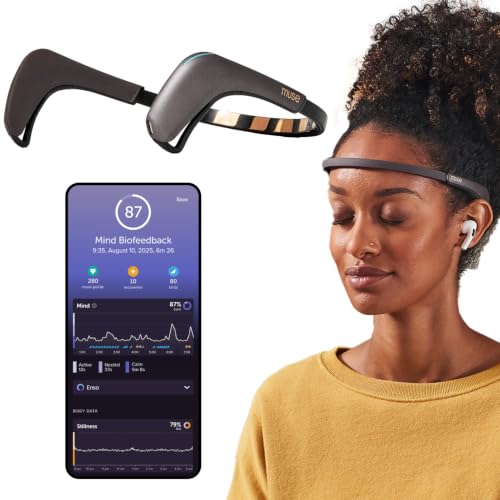
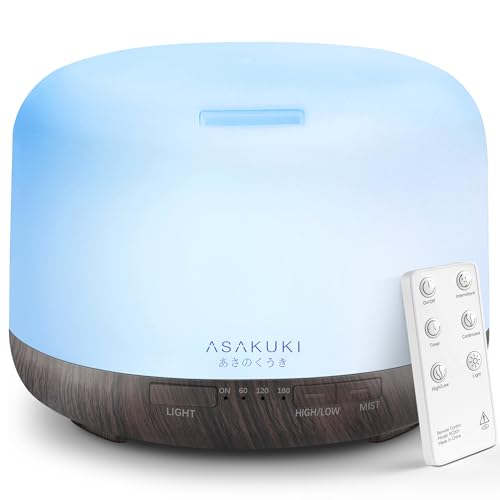
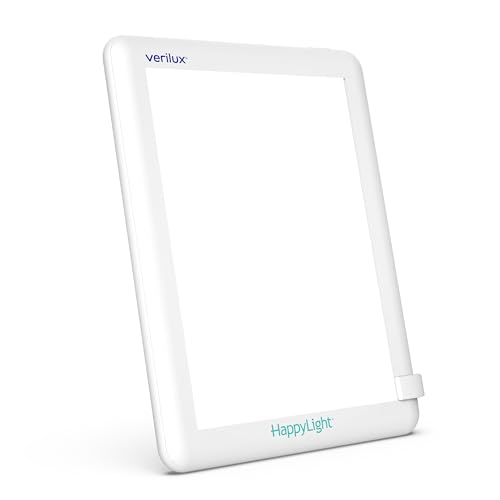
Mental wellness products span a genuinely wide range of evidence quality — from light therapy boxes with decades of clinical research behind a specific application, to journaling tools and adaptogens with a more mixed or still-developing research base. Sorting through that range matters more here than in almost any other category, since the stakes of trusting an unproven product over an evidence-backed one are higher when the goal is your mood or stress levels.
The products that hold up best tend to share a specific, well-defined mechanism rather than a vague promise of "calm" or "focus." A light therapy box with a specified lux output and clinical validation for seasonal mood support is a fundamentally different product than a generic "mood support" gadget with no clear mechanism at all.
How We Evaluate Mental Wellness Products
Every product on this page is assessed against the strength and specificity of the evidence behind its core mechanism, whether the manufacturer's claims match what that evidence actually supports, build quality and safety for anything involving light, sound, or physical stimulation, and value relative to comparable products. We're particularly attentive to distinguishing well-established clinical applications from broader wellness marketing built on the same general concept, since that gap is common in this category specifically.
How to Choose
Start by identifying what you're actually trying to address, since "mental wellness" covers meaningfully different goals — sleep-related stress, seasonal mood changes, general daily anxiety, and focus each point toward different tools. Light therapy has the most specific, clinically grounded evidence, but only for its validated application and only at adequate light intensity and correct timing. Journaling and mindfulness-adjacent tools are low-cost and low-risk regardless of your specific goal, making them a reasonable starting point even with less definitive product-specific research. Adaptogenic herbs and other supplement-based options vary considerably in evidence maturity, and it's worth checking the strength of the research behind a specific compound rather than assuming the "adaptogen" category as a whole is uniformly well-supported.
These products work best as a complement to, not a replacement for, professional support when you're dealing with a significant or persistent mental health concern. If symptoms are affecting your daily functioning, a wellness product is a reasonable addition to your routine, not a substitute for talking to a professional.