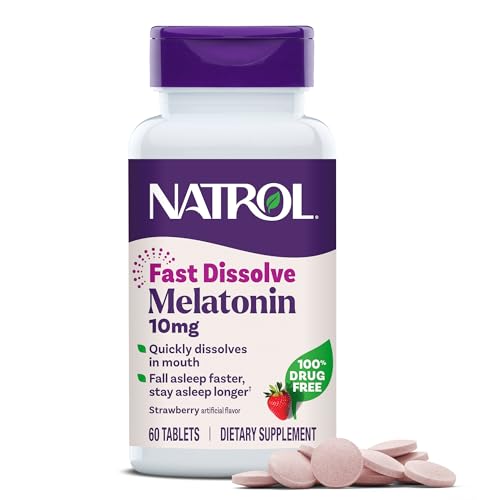
Sleep products range from genuinely well-evidenced tools — a properly timed light-blocking sleep mask, a consistent white noise source — to products whose marketing claims run well ahead of the underlying research. The category's core challenge is that sleep quality is influenced by many interacting factors (light exposure, temperature, schedule consistency, stress), so no single product fixes sleep on its own, however good it is at the one thing it actually does.
The products worth buying tend to address one of these specific factors well, rather than promising a comprehensive fix. A sleep mask that reliably blocks light is doing something real and measurable; a supplement blend with a dozen vaguely-dosed ingredients is harder to evaluate and more likely to underdeliver on any single one of them.
How We Evaluate Sleep Products
Every product on this page is assessed against the strength of the mechanism it targets (light blocking, sound masking, temperature regulation, or a specific, adequately-dosed active ingredient), comfort and practicality for nightly use, sensor accuracy for any tracking device relative to independent research on that measurement type, and value relative to comparable products. We weigh consistency of use as heavily as raw effectiveness, since a product that's uncomfortable enough to abandon after a week provides no benefit regardless of its specifications.
How to Choose
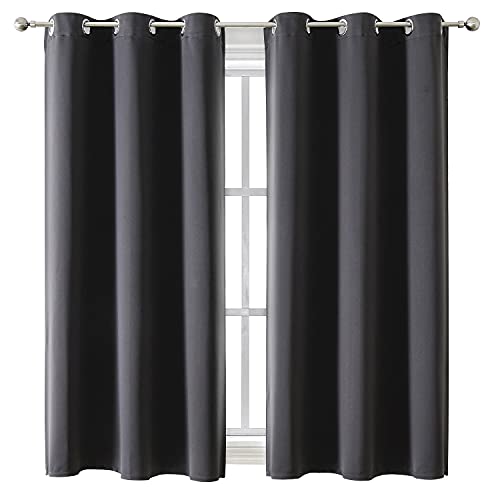
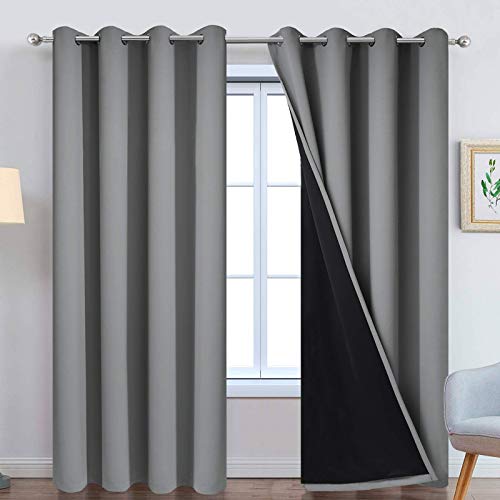
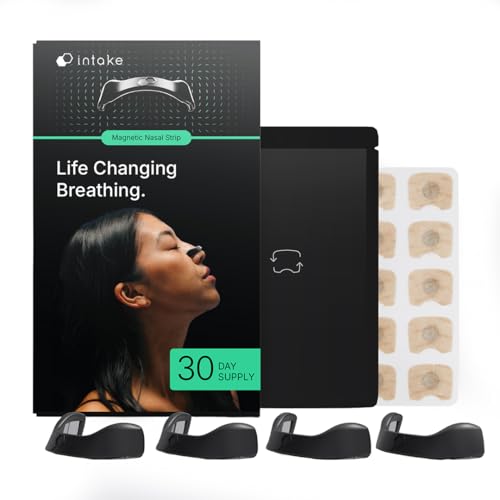
Start with your specific sleep problem rather than a generic "better sleep" goal, since the right product depends heavily on what's actually disrupting your sleep. Light exposure — from streetlights, early sunrise, or screens — is addressed by masks, blackout solutions, or blue-light-reducing practices. Environmental noise is addressed by white noise machines or sound-blocking options. Racing thoughts or difficulty winding down point toward supplements or practices targeting relaxation specifically, rather than tools addressing the sleep environment.
If you're considering a sleep tracker, treat the data as a trend-tracking tool rather than a precise nightly readout — even good consumer devices estimate sleep stages rather than measuring them with clinical precision, and the real value comes from spotting patterns over weeks, not obsessing over any single night.
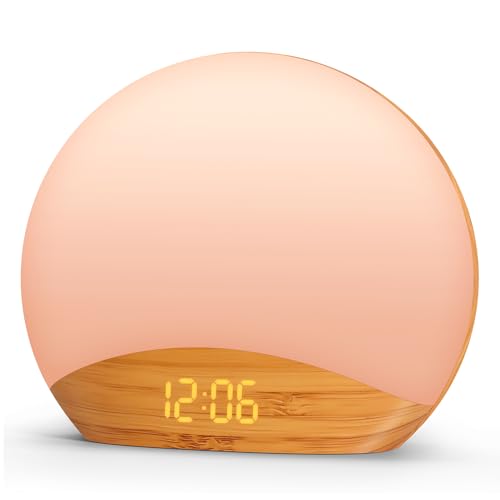
Whatever specific product you choose, it works best layered on top of consistent sleep hygiene fundamentals — a regular schedule and reasonable light exposure timing — not as a substitute for them.