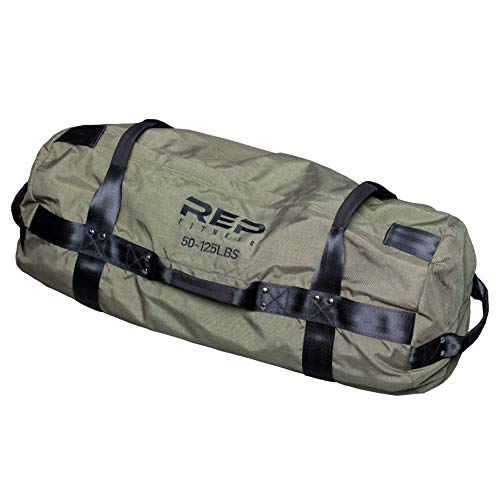
Sandbag training uses filled, shifting-weight bags rather than fixed, rigid weights, introducing a genuinely distinct instability and grip challenge that traditional barbells and dumbbells don't replicate, making sandbags a useful complementary training tool for functional strength and grip endurance rather than simply an improvised substitute for standard weights.
Why Shifting, Unstable Weight Changes the Training Stimulus
Unlike a barbell or dumbbell's fixed, evenly distributed weight, sand inside a training bag shifts and moves during exercise movements, requiring continuous stabilization and grip adjustment throughout each repetition — this instability demand recruits stabilizer muscles and grip endurance more intensively than an equivalent-weight fixed implement would, representing a genuinely different training stimulus rather than simply a less convenient version of standard weight training.
Grip Demand: A Built-In Training Component
Sandbags typically lack the fixed handles of dumbbells or kettlebells, instead requiring various grip approaches (bear-hugging, gripping fabric handles, or hoisting the bag directly) that place substantial and varied demand on grip strength and forearm endurance — this grip challenge is built directly into essentially every sandbag exercise, similar in spirit to the grip demand discussed in our farmer's carry guide, but through a different, more variable loading pattern given the bag's shifting internal weight.
Functional and Awkward-Object Lifting Relevance
Sandbag training's irregular, shifting load more closely resembles the demands of lifting genuinely awkward real-world objects compared to the more standardized, predictable loading of traditional gym equipment — this makes sandbag training particularly relevant for anyone interested in functional strength carrying over to real-world lifting tasks, or for athletes in sports involving unpredictable opponent or equipment loads, like grappling sports.
Common Sandbag Exercises and Movement Patterns
Sandbag cleans, presses, carries, and various throwing or loading movements (like loading the bag onto an elevated platform) provide a range of full-body training options — many of these movements combine multiple muscle groups and the stabilization demand discussed above into compound, functionally relevant patterns rather than isolating single muscle groups the way some traditional exercise equipment does.
Building and Adjusting Sandbag Weight
Sandbags typically allow weight adjustment by adding or removing internal filler bags, providing a genuinely flexible way to progress load over time without needing multiple separate pieces of equipment at different fixed weights — this adjustability is a practical advantage for progressive training, similar in principle to adjustable dumbbells but applied to this distinctly different, shifting-weight training implement.
Durability and Filler Material Considerations
Quality sandbags use durable outer shells designed to withstand repeated dropping, throwing, and abrasion, along with internal filler bags that contain the actual sand or filler material separately from the outer shell — this double-bag construction prevents filler material from directly contacting and potentially damaging the outer shell through abrasion, a meaningful durability consideration for a piece of equipment subjected to considerable physical stress during use.
Who Benefits Most From Sandbag Training
Athletes in sports involving unpredictable, awkward-object handling (grappling sports, strongman-adjacent training), anyone interested in functional strength with direct real-world lifting relevance, and anyone wanting an additional grip and stabilization challenge beyond what traditional fixed-weight equipment provides represent the clearest fits for incorporating sandbag training into a broader program.
Combining Sandbags With Traditional Strength Training
Sandbag training works well as a complementary addition to, rather than a complete replacement for, traditional barbell and dumbbell strength training — the fixed, predictable loading of traditional equipment remains valuable for building raw maximal strength, while sandbags add the distinct stabilization and grip challenge that complements rather than duplicates that traditional strength foundation.
The Bottom Line
Sandbag training's shifting, unstable weight introduces a genuinely distinct stabilization and grip challenge not replicated by traditional fixed-weight equipment, making it a valuable complement to standard strength training rather than simply an awkward substitute — quality double-bag construction with adjustable filler weight supports both durability and progressive loading over time.