⚡ As an Amazon Associate, VitalGuide earns from qualifying purchases. This helps us keep the site free.

Best Sleep Supplements 2026: Beyond Melatonin — What Actually Works

By Sarah Mitchell, MS, RDN · April 2026 · 13 min read

If your approach to sleep supplements begins and ends with melatonin, you're working with one piece of a much larger puzzle.

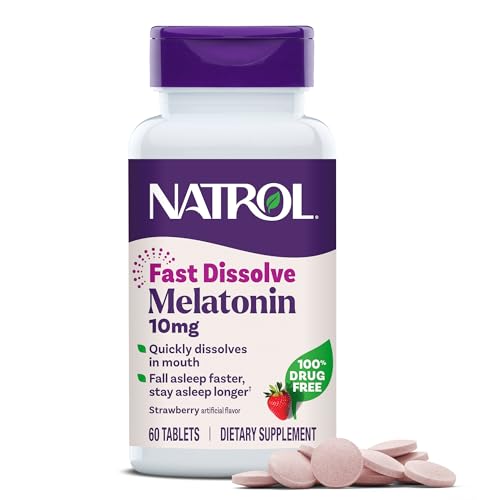
Melatonin is useful — primarily as a circadian rhythm signal for jet lag, shift work, and delayed sleep phase — but it's not a sedative, it doesn't meaningfully improve sleep quality, and it's chronically overdosed by most people who take it. The 10 mg gummies sold in every grocery store contain 10–20x the dose that research supports for its intended purpose.

The good news: several other sleep compounds have strong clinical evidence that address the mechanisms melatonin doesn't touch — anxiety-driven insomnia, temperature regulation, GABA modulation, and sleep architecture.

Understanding Why You Can't Sleep

Most people who struggle with sleep fall into one of three categories:

  • Trouble falling asleep (sleep latency): Racing thoughts, anxiety, excessive screen light before bed. Best supplements: L-theanine, apigenin, low-dose melatonin.
  • Trouble staying asleep (sleep maintenance insomnia): Blood sugar fluctuations, hot sleeping environment, stress hormones, alcohol use. Best supplements: magnesium glycinate, glycine, ashwagandha.
  • Poor sleep quality (light, unrefreshing sleep): Magnesium deficiency, high cortisol, mineral imbalances. Best supplements: magnesium glycinate or threonate, glycine.

The Evidence-Backed Sleep Ingredients

Magnesium Glycinate (200–400 mg)

Magnesium is involved in over 300 enzymatic reactions, including GABA receptor function (the primary inhibitory neurotransmitter that produces calm and drowsiness). Approximately 50–70% of adults consume below the RDA — and deficiency directly impairs sleep quality. The glycinate form is the most bioavailable and GI-friendly for sleep use.

L-Theanine (100–200 mg)

An amino acid found in green tea that promotes alpha brain wave activity — the relaxed-but-alert state ideal for winding down. Research shows L-theanine reduces anxiety symptoms, improves subjective sleep quality, and reduces sleep latency. Does not cause dependence.

Apigenin (50 mg)

A flavonoid found in chamomile that acts as a partial agonist at benzodiazepine binding sites on GABA-A receptors — producing mild anxiolytic and sedative effects through a mechanism similar to prescription anxiety medications, but far weaker and without dependence risk at typical supplement doses.

Glycine (3 g)

Glycine improves sleep quality through a unique mechanism: it lowers core body temperature (CBT) by directing blood flow to extremities. CBT drop is one of the primary physiological signals that triggers sleep initiation. Research shows 3 g glycine before bed meaningfully improves subjective sleep quality, reduces daytime fatigue, and shortens sleep latency — without any morning drowsiness effect.

Melatonin — Used Correctly (0.5–1 mg)

Most people take too much melatonin. The correct dose is 0.5–1 mg, taken 30–60 minutes before your target sleep time. Higher doses don't improve sleep — they extend the melatonin half-life in your bloodstream and cause morning grogginess. Melatonin's strongest evidence is for jet lag, shift work, and circadian rhythm disruption, not chronic insomnia.

Top 5 Sleep Supplements of 2026

1. Momentous Magnesium Threonate + Glycine + Apigenin — Best Three-Compound Stack

Ingredients: Magnesium L-threonate, 1.5g glycine, 50mg apigenin | Certifications: NSF Certified for Sport

Momentous sells the exact sleep stack popularized by Huberman Lab — and executes it well. This product combines magnesium L-threonate (which crosses the blood-brain barrier more effectively than glycinate), glycine, and apigenin at the studied 50 mg dose. NSF certification makes it suitable for athletes. Premium price, premium execution.

Best for: Performance-focused individuals who want the full three-compound stack in one product.

Check Price: Momentous Sleep Stack on Amazon

2. Pure Encapsulations Magnesium Glycinate — Best Standalone Magnesium

Ingredients: 120 mg elemental magnesium glycinate per capsule | Certifications: NSF, hypoallergenic

If the root of your sleep issues is magnesium deficiency — common, especially among those with high stress or inadequate diet — pure magnesium glycinate without other compounds is the cleanest intervention. Pure Encapsulations uses a hypoallergenic, high-bioavailability glycinate form with NSF certification and no unnecessary additives. Two to three capsules before bed provides the clinical range.

Best for: Those who prefer a clean, isolated magnesium intervention; sensitive individuals.

Check Price: Pure Encapsulations Magnesium Glycinate on Amazon

3. Thorne Glycine — Best Standalone Glycine

Ingredients: 1,000 mg glycine per capsule | Certifications: NSF Certified for Sport

Thorne's glycine is the highest-quality sourcing of this underrated sleep compound available. In capsule form (some competitors only offer powder), NSF certified, with Thorne's industry-leading manufacturing standards. Glycine is especially valuable if your primary complaint is poor sleep quality or non-restorative sleep — its temperature-lowering mechanism is distinct from all other sleep supplements.

Best for: Poor sleep quality, early waking, people who haven't responded to magnesium or melatonin.

Check Price: Thorne Glycine on Amazon

4. NOW Foods L-Theanine 200mg — Best Value Sleep Relaxant

Ingredients: 200 mg L-theanine per capsule | Certifications: GMP, non-GMO, soy-free

NOW Foods delivers a full 200 mg clinical L-theanine dose at a price that makes daily use affordable. Especially effective for anxiety-driven sleep onset problems — the racing-mind variety where the issue isn't tiredness, it's the inability to turn off. The 200 mg dose is on the higher end of the studied range; if you find it slightly too sedating, halving to 100 mg is equally effective.

Best for: Anxiety-driven insomniacs, racing thoughts at bedtime.

Check Price: NOW Foods L-Theanine on Amazon

5. Natrol Advanced Sleep Low-Dose Melatonin — Best Low-Dose Melatonin

Ingredients: 1 mg melatonin (targeted release) | Certifications: GMP

The rare commercial product that uses a physiologically appropriate melatonin dose. For those who want melatonin specifically — for jet lag, circadian reset, or as a sleep timing signal — this is far preferable to the 5–10 mg products dominating pharmacy shelves. The targeted-release formulation addresses one of melatonin's practical limitations (its short half-life) by providing an initial dose followed by slower-release.

Best for: Jet lag, shift work, circadian rhythm disruption.

Check Price: Natrol Low-Dose Melatonin on Amazon

Building Your Sleep Stack

  • For sleep onset anxiety (trouble falling asleep): L-theanine 200 mg + apigenin 50 mg
  • For sleep quality and maintenance: Magnesium glycinate 300–400 mg elemental + glycine 3 g
  • Comprehensive performance sleep stack: Magnesium threonate + glycine 3 g + apigenin 50 mg (Momentous Sleep covers all three)
  • For jet lag and circadian reset: Melatonin 0.5–1 mg + L-theanine 200 mg

What Won't Work (Oversold Sleep Supplements)

  • Valerian root: Inconsistent evidence; multiple null trials. Not worth prioritizing.
  • CBD for sleep: Current evidence is weak and mixed at typical commercial doses.
  • High-dose melatonin (5–10 mg): Pharmacological overdosing. Higher doses cause morning grogginess, not better sleep.
  • ZzzQuil and OTC antihistamines: Cause rapid tolerance (ineffective within days), suppress REM sleep, and have significant anticholinergic effects. Avoid for regular use.

Frequently Asked Questions

Is melatonin safe to take every night?

Short-term use appears safe. Nightly long-term use is more debated — melatonin is a hormone, and chronic supplementation may affect endogenous production. For nightly use, non-hormonal alternatives like magnesium glycinate, L-theanine, and glycine are safer choices for sustained use.

What is the best sleep supplement that is not melatonin?

Magnesium glycinate (200–400 mg elemental), L-theanine (100–200 mg), glycine (3 g), and apigenin (50 mg) are the four best non-melatonin sleep compounds. Combining two or three provides broader coverage across different sleep mechanisms.

How long before bed should I take sleep supplements?

30–60 minutes before your target sleep time for most compounds. Melatonin specifically should be taken relative to your target sleep time on your circadian schedule, not whenever you happen to go to bed.

Can I take L-theanine and melatonin together?

Yes, they're complementary — different mechanisms, commonly combined, and generally safe together. Keep melatonin at 0.5–1 mg when combining to avoid next-day grogginess.

Disclaimer: VitalGuide participates in the Amazon Associates program. Links to Amazon products are affiliate links — we may earn a commission if you purchase through them, at no extra cost to you. This article is for informational purposes only and does not constitute medical advice. Consult a qualified healthcare professional before starting any new supplement regimen.

Related Sleep & Wellness Articles

Browse all Wellness guides →

Get Weekly Wellness Tips

Join 50,000+ readers who get our weekly roundup of the best health products, deals, and evidence-based wellness advice.

👩‍⚕️

Reviewed by

Sarah Mitchell, MS, RDN

Sarah is a Registered Dietitian Nutritionist with a Master's in Nutritional Sciences and over 12 years of clinical experience. She leads VitalGuide's editorial review process, ensuring every recommendation reflects current scientific evidence.

View full profile →