⚡ As an Amazon Associate, VitalGuide earns from qualifying purchases. This helps us keep the site free.

😴 How to Improve Sleep Quality Naturally

By the VitalGuide Editorial Team · February 2026 · 10 min read

Sleep deprivation is one of the most underappreciated health crises of the modern era. The CDC estimates that 1 in 3 American adults don't get enough sleep — and the consequences extend far beyond feeling tired. Chronic poor sleep is linked to obesity, type 2 diabetes, cardiovascular disease, weakened immunity, depression, and accelerated cognitive decline.

The good news: most sleep problems are not permanent conditions. They are behaviors and environments — and both can be changed. This guide walks you through the evidence-based strategies that sleep researchers actually recommend, along with the best products to support each one.

Understand Your Sleep Architecture

Before optimizing sleep, it helps to understand what you're optimizing. A healthy night of sleep consists of 4–6 sleep cycles, each lasting about 90 minutes. Each cycle includes light sleep (N1/N2), deep slow-wave sleep (N3), and REM (rapid eye movement) sleep. Deep sleep is when your body physically repairs itself. REM sleep is critical for memory consolidation, emotional processing, and creativity.

Most adults need 7–9 hours to complete enough full cycles. Cutting sleep to 6 hours cuts REM sleep disproportionately, since REM cycles become longer and more frequent in the second half of the night.

1. Fix Your Circadian Rhythm

Your circadian rhythm is a 24-hour biological clock that regulates nearly every physiological process in your body, including the timing of sleep. The single most powerful way to anchor it is consistent light exposure — specifically, bright light in the morning and dim light in the evening.

Try to get 10–30 minutes of natural outdoor light within an hour of waking. This suppresses residual melatonin and sets your "sleep drive" timer for the day. In the evening, switch to warmer, dimmer lighting 2 hours before bed. Blue light from screens — phones, laptops, TVs — sends a signal to your brain that it's midday, delaying melatonin release by up to 3 hours.

Recommended: Manta Sleep Mask ($35) — Total blackout without eye pressure. Ideal if you can't control ambient light in your bedroom. Used by shift workers, frequent travelers, and light-sensitive sleepers.

2. Master Your Sleep Environment

Your bedroom should be cool, dark, and quiet — the three conditions your body evolved to sleep in. Research from the National Sleep Foundation consistently identifies these as the most important environmental factors for sleep quality.

Temperature: The ideal bedroom temperature for sleep is 65–68°F (18–20°C). Your body needs to drop its core temperature by 1–2°F to initiate and maintain sleep. A room that's too warm disrupts deep sleep stages.

Darkness: Even small amounts of light (10–200 lux) can suppress melatonin production. Blackout curtains or a sleep mask are among the most cost-effective sleep investments you can make.

Sound: Unexpected sounds (a car horn, a partner's phone) are more disruptive to sleep architecture than continuous noise. White noise or pink noise masks these acoustic interruptions effectively.

Recommended: LectroFan White Noise Machine ($49.99) — 20 unique non-looping sounds with precise volume control. Used by pediatricians, therapists, and frequent travelers. Compact and USB-powered.

3. The Science of Weighted Blankets

Weighted blankets — typically 10–20% of your body weight — use a principle called deep pressure stimulation (DPS). This activates the parasympathetic nervous system, lowering heart rate and cortisol while increasing serotonin and oxytocin production. Multiple randomized controlled trials have shown benefits for anxiety, insomnia, and ADHD-related sleep difficulties.

The effect is similar to being held or hugged — activating the "calm and connect" system rather than the "fight or flight" system. Most users report falling asleep faster and waking less frequently through the night.

Recommended: YnM Weighted Blanket ($48.90) — 7-layer design with micro glass beads for even weight distribution. Available in 15lb (for people 100–170 lbs) or 20lb (170–230 lbs). Machine washable.

4. Melatonin: Use It Correctly

Melatonin is widely misused. Most people take far too much (5–10mg) when 0.3–1mg is the physiologically appropriate dose for most adults. Higher doses can cause grogginess, vivid dreams, and — paradoxically — disrupt your natural melatonin production over time.

Melatonin works best as a circadian signal, not a sleep drug. Take 0.5–1mg about 30–60 minutes before your target bedtime to help shift your sleep timing. It's particularly effective for jet lag and shift work, and less effective for people with chronic insomnia driven by anxiety or sleep associations.

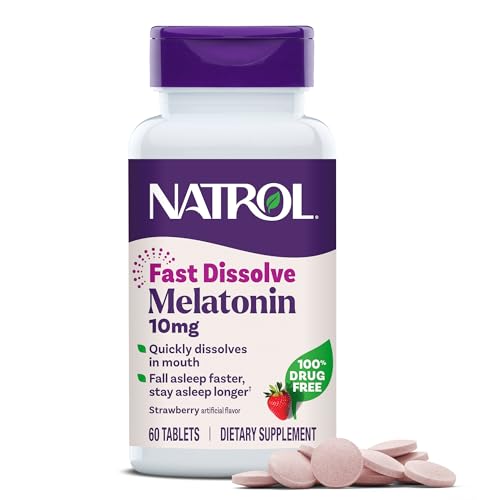
Recommended: Natrol Melatonin 5mg Fast Dissolve ($14.99) — Start with half a tablet (2.5mg). Fast-dissolve form means quick onset. Drug-free and non-habit forming. 250 count offers excellent value.

5. Magnesium for Deep Sleep

Magnesium is required for the activation of GABA receptors — the brain's primary "calm down" neurotransmitters. It also regulates melatonin production and helps relax muscles. Studies have shown that magnesium supplementation improves sleep efficiency, sleep time, and reduces early morning awakening, particularly in older adults and people with chronic stress.

The glycinate form is the best choice for sleep — it's the most bioavailable and causes the least digestive upset. Malate is better for energy and daytime use. Avoid oxide, which has very poor absorption and mainly acts as a laxative.

Recommended: Doctor's Best Magnesium Glycinate 100mg ($19.95) — TRAACS chelated form for maximum absorption. Take 200–400mg 30–60 minutes before bed.

6. Track Your Sleep to Understand It

One of the most powerful things you can do for sleep is understand your actual patterns, not just how you feel. Sleep trackers can reveal whether you're getting enough deep sleep, identify patterns that disrupt your cycles (late meals, alcohol, stress), and show you the impact of changes you make.

The best non-wearable option is a sensor placed under your mattress — no discomfort, no forgetting to charge a device, just passive tracking every night.

Recommended: Withings Sleep Tracking Mat ($99.95) — Under-mattress sensor with no subscription required. Tracks sleep cycles, heart rate, and snoring. Connects to Apple Health, Google Fit, and IFTTT.

7. The Pillow Problem

An unsupportive pillow causes neck misalignment, which activates discomfort signals throughout the night, preventing deep sleep and causing frequent micro-awakenings you may not even remember. The ideal pillow firmness depends on your sleep position: side sleepers need firmer and higher fill; back sleepers need medium support; stomach sleepers (not recommended) need minimal loft.

Recommended: COOP Home Goods Eden Adjustable Pillow ($79.99) — Adjustable memory foam fill lets you dial in the perfect firmness for your sleeping position. GREENGUARD Gold certified. Washable cover.

The Bottom Line

Improving sleep is one of the highest-leverage health interventions available to most people. Unlike medication, behavioral and environmental changes address root causes rather than symptoms. Start with the basics: consistent sleep/wake times, a cool dark room, and reduced screen exposure in the evening. Add a weighted blanket and magnesium glycinate for deeper, more restorative sleep. Track your progress to see what's actually working.

Most people experience significant improvement within 2–3 weeks of consistent changes. Sleep is a skill — and like any skill, it responds well to deliberate practice.

Disclaimer: VitalGuide participates in the Amazon Associates program. This article contains affiliate links — we may earn a commission if you purchase through them, at no extra cost to you. The information in this article is educational and does not constitute medical advice. If you have a sleep disorder, please consult a healthcare professional.

Frequently Asked Questions

How many hours of sleep do adults actually need?

Most adults need 7–9 hours per night to complete sufficient sleep cycles. Consistently sleeping 6 hours or less leads to measurable cognitive impairment, metabolic disruption, and immune suppression — even if you feel adapted to it. Individual variation exists, but true "short sleepers" who function optimally on 6 hours are extremely rare.

What is the best natural supplement for sleep?

Magnesium glycinate is the top evidence-backed option for most adults — it activates GABA receptors and supports melatonin production without dependency risk. Low-dose melatonin (0.5–1mg) is effective for shifting circadian timing. L-theanine and ashwagandha have supporting evidence for stress-related sleep difficulties.

Does a weighted blanket actually help with sleep?

Yes — multiple randomized controlled trials have demonstrated that weighted blankets (10–20% of body weight) improve sleep onset time, reduce nighttime waking, and lower anxiety through deep pressure stimulation. The effect is particularly well-documented for people with anxiety, autism, and ADHD.

What time should I stop using screens before bed?

Stop using bright screens 60–90 minutes before your target sleep time, or use blue light blocking glasses and Night Shift/f.lux settings. Blue light from phones and laptops suppresses melatonin production by signaling daylight to the brain, which can delay sleep onset by up to 3 hours.

Related Articles

Browse all Wellness guides →

Get Weekly Wellness Tips

Join 50,000+ readers who get our weekly roundup of the best health products, deals, and evidence-based wellness advice.