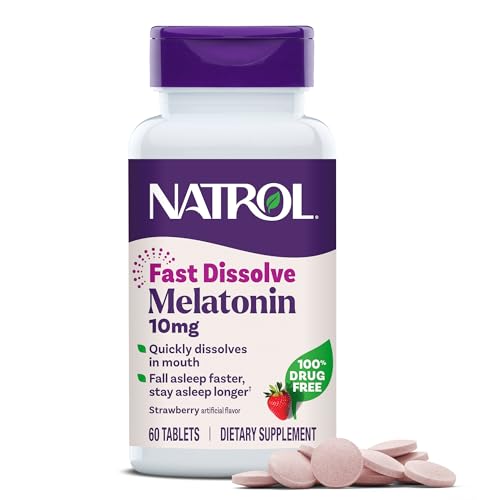
Melatonin is one of the most widely used supplements in the United States โ and one of the most widely misused. Walk into any pharmacy and you'll find 5mg, 10mg, and even 20mg melatonin tablets presented as standard doses. But decades of sleep research tell a very different story: physiological melatonin levels in humans are measured in picograms per milliliter, and doses as low as 0.1โ0.3mg can produce maximum sleep-onset benefit in most adults. The typical 5โ10mg supplement dose delivers 10โ50x more melatonin than the brain naturally produces โ a pharmacological dose, not a physiological one, and one associated with morning grogginess, suppressed natural melatonin production over time, and vivid dreams.
Understanding what melatonin actually does โ and what it doesn't do โ is the key to using it correctly. It is not a sedative. It does not put you to sleep. It is a chronobiotic: a signal that tells your brain it's dark outside and time to initiate sleep. The distinction matters enormously for how you use it, when you take it, and how much you take. This guide covers everything you need to know.
How Melatonin Works
Melatonin (N-acetyl-5-methoxytryptamine) is produced by the pineal gland in response to darkness. As light levels drop in the evening, the suprachiasmatic nucleus (SCN) โ the brain's master circadian clock โ signals the pineal gland to begin melatonin secretion. Levels rise over 1โ2 hours, peak around 2โ4 AM, and fall before dawn. This nightly melatonin surge is the key signal that aligns the body's peripheral clocks (in organs, tissues, and cells throughout the body) with the light-dark cycle.
Melatonin works by binding to MT1 and MT2 receptors in the SCN and other brain areas, where it:
- Inhibits SCN firing rate โ reducing the alerting output of the circadian clock and lowering the neurological "wake signal"
- Advances or delays circadian phase โ taken in the early evening, it advances (shifts earlier) the sleep phase; taken in the morning, it delays it. This phase-shifting property is melatonin's most powerful legitimate application.
- Lowers core body temperature โ working together with other sleep-onset signals to promote the temperature drop associated with sleep initiation
- Does NOT directly sedate โ melatonin has no action on GABA receptors (the target of most sleep drugs) and produces no pharmacological sedation at physiological doses
The Dose Problem: Why Less Is More
The most important practical insight in melatonin research is that effective doses are much lower than what's sold in stores. A landmark dose-response study by Lewy et al. found that 0.5mg of melatonin was as effective at shifting circadian phase as 3mg, and that 0.1โ0.3mg produced maximal MT1/MT2 receptor binding in the SCN. Higher doses simply spill over into the bloodstream without providing additional sleep benefit, but they do produce higher plasma concentrations throughout the night โ leading to morning grogginess and potentially downregulating the body's own melatonin receptors over time with chronic high-dose use.
The scientific consensus among sleep researchers (including those at the Harvard Division of Sleep Medicine and the American Academy of Sleep Medicine) is that effective melatonin dosing for sleep onset starts at 0.5mg and rarely needs to exceed 1โ3mg for healthy adults. The 5โ10mg doses commonly sold reflect commercial and regulatory decisions, not clinical evidence.
When to Take Melatonin: Timing Is Everything
- For sleep onset (insomnia): Take 0.5โ1mg approximately 30โ60 minutes before your desired bedtime. The goal is to reinforce the natural melatonin rise that should already be occurring at this time.
- For jet lag (westward travel): Take 0.5โ3mg at your destination's local bedtime for 2โ3 nights. Westward travel is easier to adjust to, and melatonin helps anchor the new sleep time.
- For jet lag (eastward travel): Take 0.5โ3mg at the destination's local bedtime for 3โ5 nights. Eastward jet lag is harder to overcome; morning light exposure at the destination is equally important.
- For shift workers: Consult a sleep specialist โ shift work timing is highly individual and melatonin timing must be calibrated precisely to avoid worsening circadian disruption.
- Avoid: Taking melatonin at random times during the day, in the morning, or in large doses "just in case" โ this can disrupt, not improve, your circadian rhythm.
Immediate-Release vs. Extended-Release Melatonin
Most melatonin supplements are immediate-release (IR): they dissolve quickly, raise blood melatonin levels within 30โ60 minutes, and return to baseline within 4โ6 hours. This profile is best for sleep onset difficulties โ trouble falling asleep at a specific time.
Extended-release (ER) melatonin releases the hormone slowly over 6โ8 hours, mimicking the natural nocturnal melatonin curve more closely. ER is better suited for sleep maintenance difficulties โ waking up in the middle of the night and struggling to return to sleep. The trade-off: ER takes longer to onset (can be 1โ2 hours) and may cause more morning grogginess at higher doses.
Some products combine a small immediate-release layer (for onset) with an extended-release core (for maintenance) โ a sensible design for those with both onset and maintenance issues.
Special Populations
- Older adults (60+): Natural melatonin production declines significantly with age, and older adults are more sensitive to melatonin's sleep-promoting effects. Start at 0.5mg; extended-release formulas are particularly beneficial for age-related sleep fragmentation.
- Children: Melatonin is widely used for children with ADHD or autism-related sleep difficulties but should only be used under pediatric guidance. Doses of 0.5โ1mg are typically used; long-term effects on puberty timing are not fully established.
- Pregnancy: Melatonin crosses the placenta. Pregnant women should consult their OB before using melatonin beyond occasional use.
Best Melatonin Supplements (2026)
1. Life Extension Melatonin 300mcg
Best Low-Dose Melatonin โ Editor's Choice
Life Extension's 300mcg (0.3mg) melatonin is exactly what sleep science recommends: a physiological-range dose that works with your body rather than flooding it. This is the dose validated in dose-response research as effective for most adults at the lower end, minimizing grogginess and receptor downregulation risk. Life Extension is a scientifically rigorous brand with USP-grade manufacturing. The dissolve-under-the-tongue format promotes faster absorption and precise timing. Highly recommended as a first choice for anyone who has been using higher-dose melatonin and experiencing grogginess.
Pros: Physiological dose matching research evidence, sublingual for fast onset, USP manufacturing, trusted brand with scientific backing.
Cons: May be insufficient for severe circadian disruption or jet lag requiring higher doses; requires sourcing from a brand that makes low-dose โ less common in stores.
Best for: Most adults seeking sleep onset support, those new to melatonin, and anyone who has experienced next-day grogginess from higher-dose supplements.
2. Natrol Melatonin 1mg Fast Dissolve
Best 1mg Option โ Widely Available
Natrol is the #1 melatonin brand in the US by volume, and their 1mg fast-dissolve tablets represent a sensible middle ground between the research-validated 0.3mg and the overdosed 5โ10mg products that dominate shelves. The strawberry fast-dissolve format begins absorbing sublingually before swallowing, improving absorption speed and evening out the time-to-onset variability that comes with capsule digestion. At 1mg, this is appropriate for most healthy adults seeking sleep onset support. Natrol's products are consistently verified through third-party testing programs.
Pros: Evidence-appropriate 1mg dose, fast-dissolve for quick onset, widely available and affordable, trusted brand, good label accuracy.
Cons: Added sweeteners (strawberry flavor); still above the 0.3mg physiological range, though well within safe and effective territory.
Best for: Adults who want a standard-dose, convenient melatonin for occasional use โ jet lag, shift changes, or establishing a new sleep schedule.
3. Solgar Advanced Sleep Complex (Melatonin + L-Theanine + Valerian)
Best Sleep Stack Formula
For those whose sleep difficulties involve both circadian misalignment and anxiety or tension, a combination formula addressing multiple pathways makes sense. Solgar's Advanced Sleep Complex pairs 5mg melatonin (on the higher end, but combined with calming co-ingredients) with 200mg L-theanine (anxiolytic, promotes alpha brain waves) and valerian root extract (GABA-modulating, traditional sedative herb). The combination is designed to address sleep onset from multiple angles simultaneously. Solgar is an NSF-certified, premium supplement brand with impeccable manufacturing credentials.
Pros: Multi-mechanism approach addresses anxiety and circadian timing together, NSF certified, trusted premium brand, convenient single-product solution.
Cons: 5mg melatonin is higher than physiologically optimal for most users; combination makes it harder to isolate which ingredient is helping; higher cost than standalone melatonin.
Best for: People whose sleep difficulties involve both racing thoughts/anxiety and circadian issues, and who want a single nighttime formula rather than multiple individual supplements.
The Bottom Line
Melatonin works โ but not in the way most people use it. It is a circadian signal, not a sleeping pill, and the optimal dose is far lower than what most products provide. If you've tried melatonin and found it either ineffective or left you groggy the next morning, the most likely explanation is that you were using too much. Start with 0.3โ1mg taken 30โ60 minutes before bed, ensure the room is dark (blue light blocks melatonin production), and give it a consistent schedule for several nights before evaluating results. Used correctly, low-dose melatonin is one of the safest and most evidence-backed tools available for sleep onset support and jet lag recovery.
Disclaimer: VitalGuide participates in the Amazon Associates program. Links to Amazon products on this page are affiliate links โ we may earn a commission if you purchase through them, at no extra cost to you. This article is for educational purposes only and should not be construed as medical advice. Consult your healthcare provider before starting any new supplement regimen.