⚡ As an Amazon Associate, VitalGuide earns from qualifying purchases. This helps us keep the site free.

The Gut-Brain Axis: Psychobiotics, Microbiome & Mental Health (2026)

Your gut contains 500 million neurons, produces 90% of your body's serotonin, and communicates continuously with your brain. The microbiome isn't just a digestive issue — it's a mental health issue.

The Gut Is a Second Brain

The enteric nervous system (ENS) — the neural network lining your gastrointestinal tract — contains approximately 500 million neurons: more than the spinal cord. It can function independently of the central nervous system, earning it the nickname "the second brain." But it doesn't operate independently — it's in continuous bidirectional communication with the brain, primarily through the vagus nerve, the longest cranial nerve, which carries signals between the gut and brainstem.

This gut-brain communication pathway is the gut-brain axis — and the microbiome (the trillions of bacteria, fungi, and other microorganisms colonizing the gut) plays a central role in its function. Far from being passive passengers, gut microbes:

  • Produce neurotransmitters and their precursors directly (serotonin, GABA, dopamine precursors, short-chain fatty acids)
  • Modulate vagus nerve signaling through specialized gut cells (enterochromaffin cells, enteroendocrine cells)
  • Train and regulate the immune system — 70% of which resides in the gut
  • Control intestinal permeability, preventing or allowing inflammatory bacterial products to enter systemic circulation
  • Produce tryptophan and regulate how much reaches the brain vs. being diverted to the kynurenine pathway (inflammatory)

The Microbiome-Mental Health Connection: Evidence

Dysbiosis and Depression

Multiple large studies have found measurable differences in gut microbiome composition between people with depression and healthy controls. Key findings:

  • Reduced Lactobacillus and Bifidobacterium species are consistently associated with depression and anxiety across multiple populations
  • Fecal transplant studies in germ-free rats: transplanting the microbiome from depressed humans into rats produces depressive behavior in the rats — providing causal evidence that the microbiome drives mood, not just correlates with it
  • Increased intestinal permeability ("leaky gut") is found in a subset of depressed patients and correlates with elevated inflammatory markers (LPS endotoxin translocation into bloodstream)
  • Antibiotic use — which disrupts the microbiome — is associated with increased depression and anxiety in multiple epidemiological studies

The Serotonin Connection

The gut produces approximately 90–95% of the body's serotonin — not as brain serotonin (it can't cross the blood-brain barrier) but as gut-regulatory serotonin that signals gut motility, induces nausea reflexes, and communicates via vagal afferents. Gut bacteria directly regulate enterochromaffin cell serotonin production:

  • Spore-forming bacteria (particularly Clostridiales) stimulate enterochromaffin cells to produce more serotonin — a 2015 Caltech study found germ-free mice had 60% less gut serotonin and impaired colonic motility, restored by colonizing with specific spore-forming bacteria
  • Serotonin signaling via the vagus nerve contributes to appetite regulation, mood, and the "gut feeling" of anxiety or calm

Psychobiotics: Probiotics for Mental Health

Psychobiotics — a term coined by Ted Dinan and John Cryan in 2013 — are live organisms that, when ingested in adequate amounts, produce a mental health benefit through the gut-brain axis. The field has generated significant research in the last decade, though effect sizes are modest and the best strains for specific applications are still being identified.

Best-Evidenced Strains for Mental Health

Lactobacillus rhamnosus (JB-1)

Perhaps the most studied psychobiotic. A landmark 2011 study by John Cryan's group at University College Cork found L. rhamnosus JB-1 significantly reduced anxiety and depression-like behaviors in mice — and this effect was abolished when the vagus nerve was cut, confirming the gut-brain pathway. Human trials have shown reduced cortisol, reduced anxiety behaviors, and altered GABA receptor gene expression. Effects are vagus nerve-dependent.

Lactobacillus helveticus R0052 + Bifidobacterium longum R0175

This specific two-strain combination has multiple human RCTs. A 2011 study in healthy volunteers found 30 days of this combination significantly reduced self-reported psychological distress, depression, anger, and hostility scores. A follow-up study found reduced urinary cortisol. This combination is commercially available as Probio'Stick (Lallemand Health Solutions) and in several retail products.

Lactobacillus acidophilus NCFM + Bifidobacterium lactis Bi-07

Studies show this combination reduces inflammatory markers and visceral hypersensitivity — the gut pain amplification common in IBS and anxiety. Particularly relevant for individuals where gut symptoms and mood symptoms overlap.

Bifidobacterium longum 1714

This strain, studied by the APC Microbiome Ireland group, has demonstrated reduced stress reactivity, improved memory, and reduced cortisol response to cold pressor stress in healthy volunteers. A 2022 trial found it significantly reduced subjective stress, sleep issues, and fatigue in students during an exam period.

How to Support the Gut-Brain Axis Beyond Probiotics

Dietary Fiber and Prebiotics

Probiotics add organisms; prebiotics feed the organisms already there. Short-chain fatty acids (SCFAs) — produced by bacterial fermentation of dietary fiber — are among the most important gut-brain signaling molecules. Butyrate (a SCFA) crosses the blood-brain barrier, acts as an HDAC inhibitor (epigenetic regulator), and has demonstrated antidepressant effects in animal models.

Best prebiotic sources: inulin, fructooligosaccharides (FOS), resistant starch, garlic, onions, leeks, asparagus, Jerusalem artichoke. Aim for 25–38 g dietary fiber daily from diverse sources.

Fermented Foods

A 2021 Stanford RCT compared high-fiber and high-fermented food diets and found that 10 weeks of fermented food consumption (yogurt, kefir, kimchi, kombucha) significantly increased microbiome diversity and reduced 19 inflammatory markers — changes not seen in the high-fiber group. Dietary diversity of fermented foods appears to provide broader microbiome benefit than single-strain probiotic supplementation.

Polyphenols

Plant polyphenols (from berries, green tea, olive oil, cacao, red wine) are not well-absorbed by humans — but are avidly metabolized by gut bacteria into bioactive metabolites that influence both microbiome composition and brain function. Polyphenol-rich diets are consistently associated with greater microbiome diversity and lower depression incidence in population studies.

Vagus Nerve Stimulation

The gut-brain axis is bidirectional. Stimulating the vagus nerve from the brain side also benefits gut health and microbiome composition. Evidence-backed ways to stimulate vagal tone:

  • Slow, deep breathing: Extended exhale (4 count in, 8 count out) activates the parasympathetic nervous system via vagal stimulation
  • Cold water face immersion: Triggers the diving reflex — powerful vagal activation
  • Humming, singing, chanting: Activates vagal branches through the pharynx
  • Exercise: Regular aerobic exercise improves vagal tone measurably (heart rate variability)

Best Psychobiotic Supplements (2026)

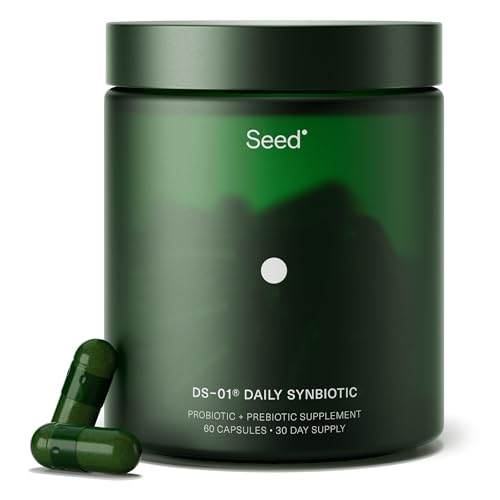
Seed DS-01 Daily Synbiotic

Editor's Pick — Strain-Specific, Clinically Studied

Seed's DS-01 is one of the most rigorously formulated probiotic products on the market — featuring 24 clinically and scientifically studied strains (including L. helveticus, B. longum, and others with mental health evidence) at 53.6 billion AFU. Their inner capsule within an outer capsule (2-in-1 prebiotic/probiotic delivery system) protects strains through stomach acid. Published clinical research on the DS-01 formulation itself, not just individual strains. Unlike most commercial probiotics, Seed tests for viable organism count at time of consumption, not just at manufacture.

Check Price on Amazon

Garden of Life Dr. Formulated Mood Probiotic

Best Mood-Specific Formula

Garden of Life's Mood Probiotic specifically targets the gut-brain axis with a 50 billion CFU, 16-strain formulation including L. helveticus R0052, B. longum R0175 (the specific combination with RCT evidence for mood), and L. rhamnosus. Also includes organic ashwagandha (100 mg KSM-66) and organic astragalus for cortisol support — creating a comprehensive mood-gut stack in one product. Certified USDA Organic, Non-GMO Project Verified, and third-party tested. Refrigerated for maximum viability.

Check Price on Amazon

Hyperbiotics PRO-15 Advanced Probiotic

Best Budget — Shelf Stable Delivery

Hyperbiotics uses a patented BIO-tract pearl technology that protects organisms through stomach acid and releases them gradually throughout the small intestine — achieving up to 15x better survival rates than standard capsules without refrigeration. Contains 15 strains at 5 billion CFU (lower CFU compensated by superior delivery). Includes L. rhamnosus and B. longum — two of the most studied psychobiotic strains. Shelf stable (no refrigeration required), making it practical for travel. A well-designed budget option for daily gut-brain support.

Check Price on Amazon

Realistic Expectations for Psychobiotics

Human psychobiotic studies consistently show statistically significant but modest effects on mood and anxiety. The effect sizes are comparable to lifestyle interventions (exercise, diet improvement) — meaningful, but not antidepressant-drug levels of effect. Psychobiotics appear most beneficial for:

  • Subclinical anxiety and stress in otherwise healthy individuals
  • Individuals with concurrent gut symptoms and mood symptoms (IBS-anxiety overlap)
  • Post-antibiotic microbiome restoration
  • Prevention context — maintaining mood resilience under stress

For clinical depression or anxiety disorders, psychobiotics should complement — not replace — evidence-based treatment. The gut-brain connection is real and interventions targeting it are promising, but the field is still maturing.

The Bottom Line

The gut-brain axis is one of the most exciting frontiers in both psychiatry and gastroenterology. The evidence is clear that gut microbiome composition influences mental health through the vagus nerve, neurotransmitter production, and immune modulation. Specific psychobiotic strains (particularly L. helveticus + B. longum combinations, L. rhamnosus, and B. longum 1714) have demonstrated measurable benefits for mood and stress in human trials. A strategy combining diverse dietary fiber, fermented foods, and a strain-specific probiotic with documented psychobiotic activity addresses the gut-brain axis more comprehensively than any single supplement.

Stay Current on Microbiome Science

Get evidence-based reviews delivered weekly — no hype, no spam.