โšก As an Amazon Associate, VitalGuide earns from qualifying purchases. This helps us keep the site free.

๐Ÿ’ช How to Naturally Optimize Testosterone: Evidence-Based Strategies and Supplements (2026)

By the VitalGuide Editorial Team ยท April 2026 ยท 16 min read

Testosterone levels in men have been declining steadily for decades. Studies show that average testosterone levels today are 20โ€“25% lower than they were in the 1980s โ€” a trend that cannot be explained by aging alone. Poor sleep, chronic stress, sedentary lifestyles, exposure to endocrine-disrupting chemicals, and declining dietary quality are all contributing factors.

Low testosterone affects energy, body composition, mood, cognitive function, libido, and long-term health in both men and women (though optimal ranges differ substantially by sex). Before considering pharmaceutical interventions like TRT (testosterone replacement therapy), there's a meaningful amount that can be done through lifestyle, diet, sleep, and targeted supplementation.

This guide reviews the interventions with the strongest evidence base โ€” and the supplements worth considering when foundations are already in place.

Signs of Suboptimal Testosterone

  • Persistent fatigue and low energy despite adequate sleep
  • Difficulty building or maintaining muscle mass
  • Increased body fat, especially around the midsection
  • Reduced libido and sexual function
  • Brain fog, difficulty concentrating, or low motivation
  • Low mood, irritability, or signs of depression
  • Reduced bone density (over longer timeframes)
  • Decreased competitive drive and reduced assertiveness

These symptoms overlap with many conditions, so getting blood work done (total testosterone, free testosterone, SHBG, LH, FSH) is important before attributing them to testosterone specifically.

The Lifestyle Foundation: What Matters Most

Supplements are tools, not foundations. Before discussing specific products, the lifestyle factors below have the largest evidence base and the largest effect sizes on testosterone levels.

1. Sleep: The Single Biggest Lever

Testosterone production is almost entirely nocturnal โ€” 70% of daily testosterone is secreted during sleep, primarily during REM and slow-wave sleep stages. Men who sleep 5 hours per night have testosterone levels equivalent to someone 10โ€“15 years older. A landmark University of Chicago study found that one week of sleep restriction (5 hours/night) reduced testosterone by 10โ€“15% in young healthy men. Optimizing sleep is the single highest-leverage action for testosterone support.

2. Resistance Training

Compound heavy lifting (squats, deadlifts, bench press, rows) produces acute testosterone spikes and, over time, supports chronically higher baseline levels. High-volume training with moderate loads (70โ€“85% of 1RM) appears to produce larger hormonal responses than either very low or very high intensity work. Training 3โ€“4 days per week with progressive overload is the established protocol.

3. Body Fat Reduction

Adipose (fat) tissue contains aromatase โ€” the enzyme that converts testosterone into estradiol (estrogen). Higher body fat levels directly increase testosterone-to-estrogen conversion and suppress total testosterone. Reducing body fat to a healthy range (roughly 10โ€“20% for men) reliably increases testosterone. This is often the single most impactful intervention for overweight individuals.

4. Stress and Cortisol Management

Cortisol and testosterone have an inverse relationship โ€” high chronic stress leads to elevated cortisol, which directly suppresses testosterone production. Chronic work stress, relationship stress, over-training, and caloric restriction are all common cortisol-elevating factors that suppress testosterone. Stress management isn't just mental health advice โ€” it's hormone optimization.

5. Adequate Dietary Fat and Cholesterol

Testosterone is synthesized from cholesterol. Very low-fat diets (below 20% of calories from fat) are consistently associated with lower testosterone. Healthy dietary fats from olive oil, eggs, whole dairy, nuts, avocado, and fatty fish provide the cholesterol substrate for testosterone synthesis. Crash dieting and severe caloric restriction also suppress testosterone significantly.

Evidence-Based Supplements for Testosterone Support

1. Ashwagandha (KSM-66) โ€” Best Overall Testosterone Supplement

Ashwagandha is the most evidence-backed supplement for testosterone support in stressed, sleep-deprived, or otherwise suboptimal conditions. Multiple randomized controlled trials (RCTs) have found that KSM-66 ashwagandha (a standardized root extract) increases testosterone by 10โ€“22% in men with chronic stress or suboptimal levels, primarily by lowering cortisol. In a 2019 study of resistance-trained men, 8 weeks of 600mg KSM-66 daily produced significant increases in testosterone and muscle recovery compared to placebo.

Ashwagandha does not appear to directly stimulate testosterone production โ€” its mechanism is primarily cortisol reduction and stress adaptation, which relieves a major suppressive brake on the HPG (hypothalamic-pituitary-gonadal) axis. It also has strong evidence for improving sleep quality, which further supports testosterone production.

Best for: Stressed individuals, poor sleepers, men with suboptimal testosterone linked to high cortisol. Dose: 300โ€“600mg KSM-66 extract daily.


2. Zinc โ€” Essential for Testosterone Synthesis

Zinc is a cofactor in over 300 enzymatic reactions, including several steps in testosterone biosynthesis. Zinc deficiency is strongly associated with low testosterone, and zinc supplementation in deficient individuals reliably restores testosterone levels to normal. The key caveat: zinc only boosts testosterone if you're actually deficient. In zinc-sufficient individuals, supplementation doesn't add extra benefit.

Zinc deficiency is more common than most people realize โ€” especially in athletes (zinc is lost in sweat), vegetarians (plant phytates reduce zinc absorption), and people eating low meat/shellfish diets. Oysters are by far the richest dietary zinc source; red meat and pumpkin seeds are also good sources.

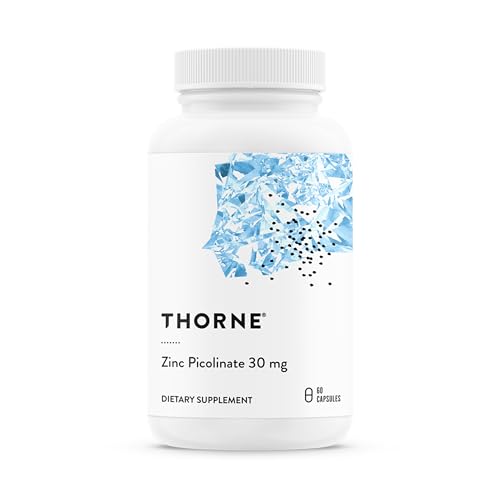
Thorne's Zinc Picolinate uses a highly absorbable chelated form at 15โ€“30mg per capsule. Take with food to reduce GI discomfort, and avoid mega-dosing (over 40mg/day can impair copper absorption).

Best for: Athletes, vegetarians, people eating low in oysters/red meat. Deficiency correction, not supraphysiological boosting.


3. Vitamin D3 โ€” The Hormone-Vitamin That Directly Influences Testosterone

Vitamin D is technically a hormone, and testosterone-producing Leydig cells in the testes have vitamin D receptors. Multiple observational studies have found strong correlations between vitamin D status and testosterone levels. A year-long RCT found that men supplementing 3,332 IU of vitamin D daily had significantly higher testosterone levels than the placebo group (+25% vs. +3.5%) by the end of the study.

Vitamin D deficiency is extremely common โ€” estimated at over 40% of Americans โ€” and is more prevalent in northern latitudes, dark-skinned individuals, and people who spend most time indoors. Optimal serum 25-OH vitamin D for testosterone support appears to be in the 50โ€“80 ng/mL range (most deficient people sit below 30 ng/mL).

Best for: Anyone with low vitamin D status (get a blood test first). Combined D3+K2 formulas improve calcium metabolism alongside the hormonal benefits.


4. Fadogia Agrestis โ€” Emerging LH-Stimulating Herb

Fadogia agrestis is an African shrub extract that has gained significant attention in the biohacking community, largely due to endorsements from researchers like Andrew Huberman. The proposed mechanism involves stimulating luteinizing hormone (LH) release from the pituitary, which signals the testes to produce more testosterone. Animal studies have shown significant testosterone-boosting effects. However, long-term human RCT data is currently limited, and caution is warranted: animal studies at high doses have suggested potential testicular toxicity. Use with cycling (e.g., 8 weeks on, 4 weeks off) and at conservative doses until more human data is available.

Best for: Biohackers willing to try emerging supplements with promising mechanisms but limited long-term human data. Not for those seeking only well-established interventions.


5. Magnesium โ€” Often-Overlooked Testosterone Nutrient

Magnesium plays a direct role in testosterone metabolism โ€” it binds to sex-hormone binding globulin (SHBG), potentially increasing free (bioavailable) testosterone. Magnesium deficiency is associated with lower testosterone, and supplementation in deficient individuals improves both total and free testosterone levels. Since magnesium also dramatically improves sleep quality (where most testosterone is produced), it's a doubly valuable supplement for hormone optimization.

Best for: Anyone who isn't hitting dietary magnesium targets โ€” which is over 50% of Americans. Especially valuable for athletes who lose magnesium through sweat.

What Doesn't Work (Avoid These)

The testosterone supplement market is filled with products making dramatic claims with zero supporting evidence:

  • Most "testosterone booster" blends โ€” Typically underdosed proprietary blends of multiple herbs at doses too low to have any effect.
  • Tribulus Terrestris โ€” Decades of marketing, virtually no evidence of meaningful testosterone impact in well-controlled human studies.
  • DHEA (without testing) โ€” A precursor hormone that converts to both testosterone and estrogen; outcomes depend heavily on individual metabolism. Get tested before using.
  • Fenugreek โ€” Some evidence for libido and free testosterone in some populations; modest effects at best. Not a primary intervention.

The Bottom Line

Testosterone optimization is fundamentally a lifestyle medicine project: prioritize sleep above everything else, train with heavy compound lifts, reduce body fat, manage chronic stress, and ensure dietary fat is adequate. Supplements can meaningfully support this foundation โ€” ashwagandha for cortisol reduction, zinc and vitamin D if deficient, and magnesium for sleep and direct hormonal support. But no supplement compensates for chronic sleep deprivation, sedentary habits, or severe stress.

If symptoms are severe or persistent despite lifestyle optimization, a blood panel and conversation with an endocrinologist or urologist is the appropriate next step. TRT has become more accessible and may be appropriate when natural approaches are insufficient.

Disclaimer: VitalGuide participates in the Amazon Associates program. Links to Amazon products on this page are affiliate links โ€” we may earn a commission if you purchase through them, at no extra cost to you. This article is for educational purposes only and should not be construed as medical advice. Hormonal health is complex โ€” consult a qualified healthcare provider before using supplements intended to influence hormone levels, especially if you have existing conditions or take medications.

Related Articles

Browse all Fitness guides →

Get Weekly Wellness Tips

Join 50,000+ readers who get our weekly roundup of the best health products, deals, and evidence-based wellness advice.