Quercetin is one of the most abundant flavonoids in nature โ found in onions, apples, capers, and green tea โ and one of the most studied phytochemicals for human health. Thousands of peer-reviewed studies have examined its effects on inflammation, immune function, cardiovascular health, and, most excitingly for the longevity community, its potential as a senolytic agent capable of clearing aging "zombie cells" from the body.
This guide covers the mechanisms behind quercetin's effects, what the clinical evidence actually supports, optimal dosing strategies, and the best quercetin supplements available in 2026.
What Is Quercetin?
Quercetin is a polyphenolic flavonoid โ specifically a flavonol โ that plants produce as a defense compound against UV radiation, pathogens, and herbivores. In humans, quercetin is absorbed in the small intestine (with relatively poor bioavailability in standard forms) and exerts effects through multiple mechanisms including direct antioxidant activity, modulation of cell signaling pathways, inhibition of inflammatory enzymes, and โ at higher doses โ selective clearance of senescent cells.
Quercetin's poor native bioavailability (estimated at 20โ50% for standard quercetin dihydrate) has driven significant formulation innovation: phytosomal quercetin, quercetin with bromelain, and nanoparticle delivery systems all aim to enhance absorption and sustained plasma levels.
Key Mechanisms and Benefits
Anti-Inflammatory Action
Quercetin inhibits several pro-inflammatory enzymes including cyclooxygenase (COX) and lipoxygenase (LOX), reduces NF-ฮบB activation (a master regulator of inflammatory gene expression), and downregulates production of inflammatory cytokines including IL-6, IL-1ฮฒ, and TNF-ฮฑ. This multi-pathway anti-inflammatory action makes quercetin relevant across a wide range of inflammatory conditions โ from exercise-induced inflammation to chronic disease states.
Antioxidant and Redox Regulation
Quercetin is a potent direct antioxidant and also activates the Nrf2 pathway โ the body's master antioxidant transcription factor that upregulates production of glutathione, superoxide dismutase, and catalase. This makes quercetin both an immediate free radical scavenger and an inducer of endogenous antioxidant defenses. Importantly, quercetin's Nrf2 activation provides antioxidant benefits that outlast its plasma half-life.
Senolytic Activity โ The Longevity Angle
The most exciting recent development in quercetin research is its senolytic activity โ the ability to selectively induce apoptosis (cell death) in senescent cells. Senescent cells, sometimes called "zombie cells," are cells that have ceased dividing but resist programmed cell death, accumulating with age and secreting a cocktail of inflammatory factors (the senescence-associated secretory phenotype, or SASP) that damages surrounding tissue and drives aging-associated inflammation.
Research pioneered at Mayo Clinic by Dr. James Kirkland's group identified quercetin (particularly in combination with dasatinib, a pharmaceutical) as a senolytic compound. A follow-up study examining quercetin + fisetin (both flavonoids available as supplements) found that this combination was more potent than either alone for senescent cell clearance in animal models. Human clinical trials on quercetin-based senolytics are ongoing, with early results showing reductions in inflammatory biomarkers and improved physical function in older adults with idiopathic pulmonary fibrosis.
Immune Modulation
Quercetin has well-documented antiviral properties โ it inhibits viral entry and replication for multiple respiratory viruses by interfering with protease activity. Studies have shown quercetin supplementation reduces the incidence and severity of upper respiratory infections in athletes and stressed individuals. During COVID-19, quercetin gained significant attention for its in vitro inhibitory activity against SARS-CoV-2 protease, though human clinical evidence remains limited.
Cardiovascular Benefits
Multiple clinical trials have shown quercetin supplementation (500โ1,000 mg/day) reduces blood pressure in hypertensive individuals, with a meta-analysis in Nutrients finding a mean reduction of approximately 3โ4 mmHg systolic in patients with hypertension. Quercetin also improves endothelial function (the ability of blood vessels to dilate), reduces LDL oxidation, and exerts anti-platelet effects โ collectively contributing to cardiovascular protection.
Quercetin Dosing Protocols
Standard Supplementation (Daily Maintenance)
For general antioxidant, anti-inflammatory, and immune support: 500โ1,000 mg/day, ideally with meals (fat enhances absorption). This dose is well-tolerated and covers most of the cardiovascular and anti-inflammatory benefits documented in clinical trials.
Senolytic Protocol
Senolytic dosing protocols are typically pulse-dosed rather than daily โ reflecting how senolytics work (they clear a cohort of senescent cells, then the body needs time for the cleared cells' absence to produce benefits before new ones accumulate). The most studied consumer-accessible senolytic protocol is:
- Quercetin 500โ1,000 mg + Fisetin 100โ500 mg
- Taken together for 2โ3 consecutive days per month ("senolytic cycle")
- Both compounds are taken with a fatty meal to maximize absorption
This protocol is derived from animal research and early human trials โ the optimal pulse duration and frequency in humans is still being refined in ongoing trials.
Bioavailability Enhancement
Always take quercetin with food, preferably containing fat. Bromelain (a pineapple enzyme) appears to enhance quercetin absorption and is included in many formulations. Phytosomal delivery (quercetin bound to phospholipids) has been shown in clinical studies to improve bioavailability 20-fold compared to standard quercetin.
Best Quercetin Supplements in 2026
1. Thorne Quercetin Phytosome โ Best Bioavailability
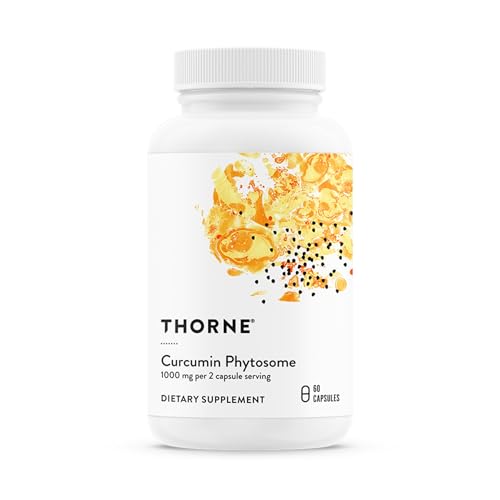
Thorne's Quercetin Phytosome uses a phospholipid-bound delivery system (phytosome technology from Indena) that dramatically enhances quercetin bioavailability โ studies on Thorne's specific phytosomal form show 20-fold greater absorption compared to standard quercetin. Each capsule provides 250 mg of quercetin phytosome. Thorne is one of the most clinically respected supplement brands, manufacturing to NSF Certified for Sport standards with rigorous third-party testing. For anyone focused on maximizing the cellular-level effects of quercetin โ particularly for senolytic or anti-inflammatory applications โ the phytosomal form represents a significant upgrade over standard quercetin.
Best for: Users who prioritize maximum bioavailability and are willing to pay a premium for the most clinically validated quercetin delivery system.
2. Now Foods Quercetin with Bromelain โ Best Value
NOW Foods' quercetin + bromelain combination is the most popular quercetin product on the market for good reason: it's affordable, manufactured by a reputable GMP-certified company, and combines quercetin with bromelain (150 mg per serving) to enhance absorption. Each capsule provides 400 mg of quercetin dihydrate. NOW Foods holds NSF certification and conducts thorough in-house and third-party testing. For daily maintenance supplementation โ immune support, anti-inflammatory, cardiovascular protection โ the NOW formulation provides excellent value without the premium of phytosomal delivery. A 120-count bottle typically provides 2โ4 months of supply at standard dosing.
Best for: Budget-conscious users looking for a reliable, well-formulated quercetin supplement for daily health maintenance from a trusted brand.
3. Designs for Health Quercetin + Nettles โ Best for Allergy Support
Designs for Health is a practitioner-grade supplement brand that formulates products for clinical use. Their quercetin formulations are frequently paired with complementary compounds โ including stinging nettle leaf extract, which has independent anti-allergic and anti-inflammatory evidence โ making these combinations particularly useful for seasonal allergy and histamine-related applications. Quercetin inhibits mast cell degranulation and histamine release, making it one of the most evidence-backed natural options for allergy management. Designs for Health products are manufactured in FDA-inspected, GMP-certified facilities and sold through healthcare practitioners and specialty supplement retailers.
Best for: People seeking quercetin primarily for allergy/histamine management who want a practitioner-quality formulation with complementary botanicals.
4. Life Extension Optimized Quercetin โ Best for Longevity Stacking
Life Extension is one of the longest-established longevity supplement companies, with a research-focused approach and transparency about the science behind their formulations. Their optimized quercetin uses a highly purified quercetin form and is frequently featured in their longevity supplement stacks. Life Extension produces detailed references for all their products and regularly updates formulations based on emerging research. For users interested in quercetin as part of a broader longevity protocol โ alongside NMN, fisetin, or other senolytic compounds โ Life Extension provides accessible, well-documented options. Their products are verified through independent lab testing and carry a Certificate of Analysis.
Best for: Longevity-focused users building a comprehensive senolytic or anti-aging stack who want a reliable, research-backed quercetin from an established company.
Quercetin Safety and Interactions
Quercetin has an excellent safety profile at standard supplemental doses. The most commonly reported side effects at doses above 1,000 mg/day include mild headache and gastrointestinal discomfort, which typically resolve with dose reduction.
Key interactions to be aware of:
- Antibiotics: Quercetin may inhibit the efflux pumps that remove antibiotics from bacterial cells โ both a potential benefit (enhanced antibiotic activity) and a theoretical concern for disrupting microbiome homeostasis
- Chemotherapy drugs: Quercetin's effects on drug transporters may alter the absorption and distribution of some chemotherapy agents โ avoid supplementation during active cancer treatment without oncologist guidance
- Blood thinners: At high doses, quercetin's anti-platelet effects may theoretically potentiate anticoagulants โ use with caution if on warfarin or similar medications
- Thyroid medications: Some evidence suggests quercetin may inhibit thyroid hormone uptake โ space supplementation away from thyroid medication doses
The Bottom Line
Quercetin is one of the most well-researched and multifunctional flavonoids in the supplement world, with genuine evidence for anti-inflammatory, antioxidant, immune-supportive, cardiovascular, and โ increasingly โ senolytic effects. It's a high-value addition to both general wellness protocols and longevity-focused supplement stacks.
For most users, a standard quercetin + bromelain combination (400โ500 mg/day from NOW Foods or similar) provides excellent daily health support at accessible cost. For those focused specifically on senolytic or maximum anti-inflammatory effect, Thorne's phytosomal quercetin offers dramatically enhanced bioavailability. And for the longevity stack, quercetin pairs particularly well with fisetin for pulse-dosed senolytic protocols.
Disclaimer: VitalGuide participates in the Amazon Associates program. Links to Amazon products on this page are affiliate links โ we may earn a commission if you purchase through them, at no extra cost to you. This article is for educational purposes only and does not constitute medical advice. Consult your healthcare provider before beginning any new supplement regimen, particularly if you are on medications.