Turmeric, the spice, and curcumin, its primary active compound, have one of the more scientifically interesting but also more commonly misunderstood supplement stories — genuine, meaningful anti-inflammatory and antioxidant research exists, but almost none of it applies to turmeric consumed as a cooking spice at typical culinary amounts, due to a fundamental bioavailability problem that most turmeric marketing glosses over.
The Bioavailability Problem at the Core of This Category
Curcumin, taken orally on its own, is very poorly absorbed by the body — it's rapidly metabolized and eliminated before reaching meaningful concentrations in the bloodstream, which means the research showing genuine anti-inflammatory and antioxidant effects generally used specially formulated, enhanced-absorption curcumin preparations, not standard turmeric powder or plain curcumin extract. This single fact is the most important thing to understand before evaluating any turmeric or curcumin product's likely real-world effectiveness.
Piperine (Black Pepper Extract): The Classic Absorption Enhancer
Piperine, an extract from black pepper, has been shown to significantly increase curcumin's bioavailability by inhibiting a liver enzyme process that would otherwise rapidly break curcumin down — this is why many quality curcumin supplements include piperine (often as a branded extract), and a curcumin product without piperine or another bioavailability-enhancement approach is likely delivering considerably less absorbed curcumin than the research demonstrating meaningful effects actually used.
Other Bioavailability Enhancement Approaches
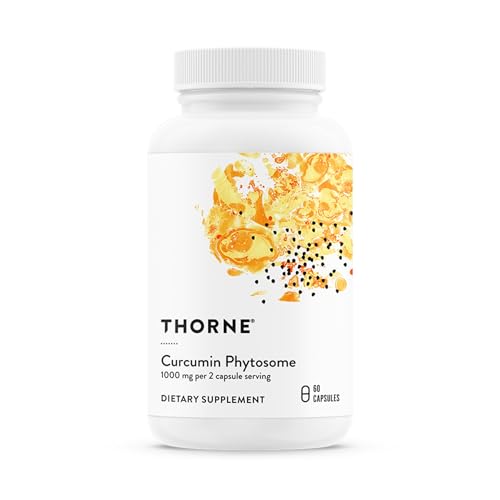
Beyond piperine, other formulation approaches include curcumin bound to phospholipids (improving fat-based absorption), nanoparticle or micellar curcumin formulations (reducing particle size to improve absorption), and various patented enhanced-absorption technologies — these represent different technical approaches to solving the same core bioavailability problem, and research supports meaningful absorption improvement from several different specific technologies, not just the piperine approach alone.
What the Anti-Inflammatory Research Actually Shows
Using appropriately bioavailability-enhanced formulations, curcumin research has shown genuine anti-inflammatory effects across various contexts, including some research on joint comfort and general inflammatory markers — this research is reasonably substantial and encouraging, but it's specifically research on enhanced-absorption curcumin, not on turmeric as typically consumed in food, which is an important distinction the "turmeric is a superfood" framing often blurs.
Turmeric as a Spice vs. Curcumin as a Supplement
Turmeric used in cooking provides genuine culinary and some nutritional value, and there's nothing wrong with incorporating it into your diet, but expecting meaningful, clinically significant anti-inflammatory effects from typical culinary turmeric use — without the concentrated dose and bioavailability enhancement used in actual research — sets an unrealistic expectation based on research that doesn't actually apply to that use pattern.
Dosing Considerations for Supplemental Use
Curcumin research has generally used more concentrated doses than what's practically achievable through diet alone, delivered through bioavailability-enhanced formulations specifically — checking that a supplement's dose and formulation approach roughly matches what's been used in research, rather than assuming any curcumin-containing product delivers equivalent benefit, is the key practical takeaway for choosing an effective product.
Safety and Interaction Considerations
Curcumin can have mild blood-thinning properties and may interact with anticoagulant medications, and very high doses have been associated with digestive discomfort in some people — reasonable considerations before starting supplementation, particularly for anyone on blood-thinning medication, who should discuss curcumin supplementation with a doctor first.
The Bottom Line
Curcumin's genuine anti-inflammatory research applies specifically to bioavailability-enhanced formulations (piperine-paired, phospholipid-bound, or similar), not to standard turmeric powder or plain curcumin extract — check for a bioavailability enhancement approach on the label before expecting the effects associated with the actual clinical research.