Your immune system doesn't run on any single nutrient — it's a network of cells and signaling pathways that depend on a handful of vitamins and minerals working together. No supplement can substitute for sleep, a reasonably varied diet, and regular movement, but a few specific nutrients have a strong enough evidence base that it's worth knowing where you stand on them.
The Core Four
Vitamin D is the standout. A large share of adults — especially anyone who spends most daylight hours indoors or lives at a northern latitude — run low, and vitamin D receptors sit on nearly every immune cell type. Supplementing matters most for people who are actually deficient; a blood test is the only way to know for sure, but 1,000–2,000 IU of D3 daily is a reasonable maintenance dose for most adults without one.
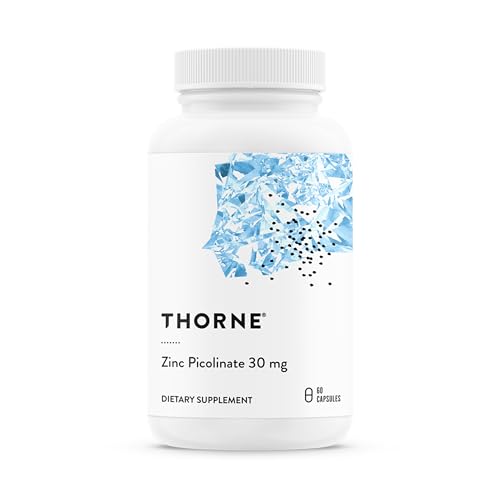
Zinc is essential for the development of immune cells and plays a direct role in limiting viral replication. It's also one of the few supplements with reasonably consistent evidence for shortening the duration of a cold when taken within the first day or two of symptoms — timing matters more here than with almost any other supplement on this list.
Vitamin C has a more modest track record than its reputation suggests: for most people, it doesn't prevent colds, but regular supplementation has shown a small, consistent reduction in cold duration and severity, with a larger effect in people under heavy physical stress (endurance athletes, for instance).
Elderberry extract has a smaller but real body of clinical evidence, mostly around reducing the duration of cold and flu symptoms once they've started, likely through mild antiviral and anti-inflammatory activity. It's not a substitute for vaccination or medical care, but it's one of the better-supported "start taking it when you feel something coming on" options.
Where Probiotics Fit In
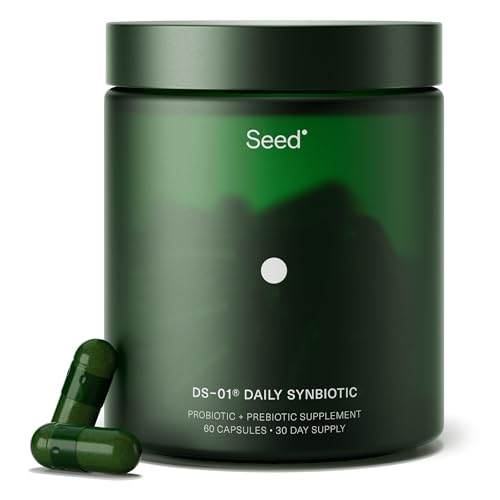
A meaningful share of your immune tissue lives in your gut, so it's not a stretch that gut health and immune function are linked. Specific, well-studied probiotic strains — Lactobacillus rhamnosus GG is the most researched — have shown modest benefit for respiratory infection frequency in some populations, particularly children in daycare settings and older adults. The effect size is smaller than vitamin D or zinc, but it's a reasonable addition if you're already dealing with digestive issues or recent antibiotic use.
How to Actually Use This
Don't stack everything at once "just in case." Start with vitamin D if you haven't had it checked recently — it's the nutrient most people are actually short on, and the one with the clearest immune-function rationale. Add zinc and vitamin C as situational tools you keep on hand for the first sign of a cold, rather than as daily habits (high-dose zinc taken long-term can interfere with copper absorption). Elderberry and probiotics are reasonable additions if you're prone to frequent colds or have a compromised gut, but neither is essential for most healthy adults.
As always: supplements support an immune system that's already getting enough sleep, protein, and movement — they don't replace those basics, and none of this is a substitute for medical care if you're actually sick.