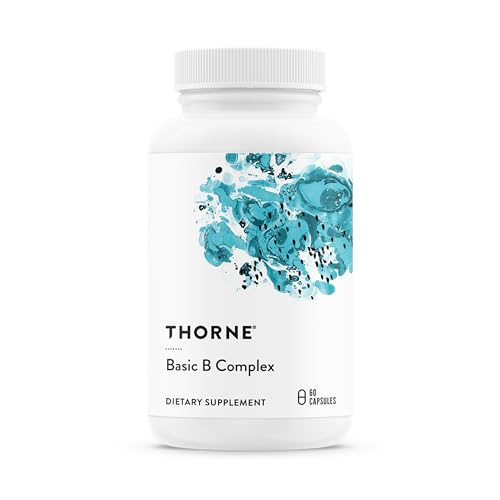
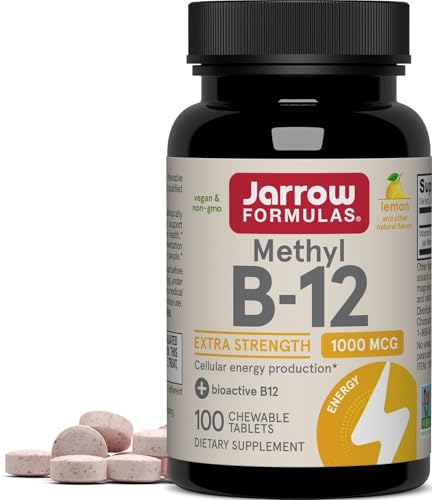
B vitamins get bundled together in supplement marketing more because they're often deficient together than because they do the same thing — the eight B vitamins are chemically distinct and handle very different jobs, from red blood cell formation to nervous system function to energy metabolism at the cellular level.
What Each B Vitamin Actually Does
B12 (cobalamin) is essential for nerve function and red blood cell production; deficiency is common in older adults (absorption declines with age) and in anyone eating a fully plant-based diet, since B12 is only reliably found in animal products. Folate (B9) works alongside B12 in DNA synthesis and is critical during pregnancy for preventing neural tube defects. B6 supports neurotransmitter synthesis and immune function. Thiamine (B1), riboflavin (B2), and niacin (B3) are all directly involved in converting food into usable cellular energy — a genuine deficiency in any of these can produce real fatigue, not just the vague "low energy" that supplement marketing implies for everyone.
The Methylation Question
A meaningful subset of the population carries a genetic variant (MTHFR) that reduces their ability to convert folic acid and cyanocobalamin — the synthetic forms used in cheap supplements and fortified foods — into their active, usable forms. For these people, "methylated" B vitamins (methylfolate instead of folic acid, methylcobalamin instead of cyanocobalamin) are absorbed and utilized more effectively. You don't need genetic testing to justify choosing methylated forms — they're safe for everyone and simply skip a conversion step that some people's bodies handle poorly — but they're not strictly necessary if you don't have the variant and tolerate standard forms fine.
Who Actually Needs a B-Complex
Vegans and vegetarians (B12 specifically), older adults with reduced stomach acid (impairs B12 absorption), pregnant women (folate), people on certain medications (metformin depletes B12, some anticonvulsants deplete folate), and heavy drinkers (alcohol impairs absorption of several B vitamins) have the clearest cases for supplementation. If you eat a varied diet with regular meat, dairy, or eggs and aren't in one of these groups, a B-complex is more insurance than necessity.
What to Look For
Choose a B-complex with methylated B12 and folate if you want to hedge against MTHFR-related absorption issues, reasonable doses that don't wildly exceed the RDA for a "just in case" supplement, and — since B vitamins are water-soluble — don't worry much about upper limits for most of them (B6 is the exception; very high long-term doses have been linked to nerve issues, so avoid megadose B-complexes taken indefinitely).
The Bottom Line
B vitamins aren't one thing, and "B-complex" as a category is really a convenience bundle for a handful of genuinely important, genuinely distinct nutrients. The people who benefit most are those with a specific, identifiable gap — dietary, medical, or genetic — not everyone reaching for more energy in a bottle.