The probiotic supplement market is built on a mixture of genuine science and impressive-sounding marketing that has very little to do with how these products actually work.
A bottle advertising "500 billion CFU!" is not automatically better than one with 10 billion. The bacteria count you swallow is almost irrelevant compared to: which specific strains you're taking, whether they survive the journey from your mouth to your lower intestine, and whether any research exists demonstrating that specific strain at that specific dose does the specific thing you're hoping for.
In this guide, I'll cut through the CFU arms race, explain what actually differentiates a good probiotic from a supplement-industry prop, and give you the five best options for different health goals in 2026.
Related reading: Probiotics work best when the gut environment supports microbial diversity. See our nutrition basics guide for dietary foundations that complement probiotic supplementation.
What Are Probiotics and Why Do Strains Matter So Much?
Probiotics are live microorganisms that, when administered in adequate amounts, confer a health benefit on the host. That definition — from the WHO/FAO — contains a key nuance: when administered in adequate amounts, which implies specific strains have specific effective doses, not that more bacteria = more benefit.
The human gut contains approximately 38 trillion bacterial cells representing over 1,000 species. Probiotic supplements introduce specific beneficial strains that have been isolated, cultured, and studied. The critical insight is this: probiotic benefits are strain-specific. A clinical trial showing that Lactobacillus rhamnosus GG reduces antibiotic-associated diarrhea tells you nothing about whether a different Lactobacillus species (or even a different strain of rhamnosus) will have the same effect.
This is why "10 strains! 50 billion CFU!" marketing is mostly noise. What matters is:
- Is this specific strain researched for my specific concern?
- Is it at the studied dose?
- Does it survive manufacturing, storage, and gut transit?
Key Probiotic Strains and What They're Good For
For IBS and gut comfort:
- Lactobacillus rhamnosus GG — most studied probiotic strain globally; strong evidence for diarrhea prevention, AAD (antibiotic-associated diarrhea), and IBS
- Bifidobacterium infantis 35624 (Alflorex) — strong IBS evidence, particularly for bloating and abdominal pain
- Lactobacillus plantarum 299v — IBS symptom reduction, particularly gas and bloating
For immune support:
- Lactobacillus acidophilus NCFM — immune modulation, upper respiratory infection reduction
- Bifidobacterium lactis Bi-07 — immune support, reduced cold and flu duration/severity
- Lactobacillus fermentum VRI-003 — evidence for reducing upper respiratory infection incidence
For women's vaginal and urinary health:
- Lactobacillus rhamnosus GR-1 + Lactobacillus reuteri RC-14 — the most evidence-backed combination for vaginal microbiome support and UTI prevention
For mood and the gut-brain axis:
- Lactobacillus helveticus R0052 + Bifidobacterium longum R0175 — the psychobiotic combination with the most clinical evidence for anxiety and stress reduction
- Lactobacillus rhamnosus (JB-1) — preclinical anxiety/GABA evidence (limited human data but promising)
How to Choose a Quality Probiotic
1. Look for named strains, not just species
"Lactobacillus acidophilus" tells you very little. "Lactobacillus acidophilus NCFM" — the full strain designation — tells you which research applies. Reputable products list the full strain identifier on the label.
2. CFU count at expiration, not manufacturing
CFU counts decline over time. A label claiming "50 billion CFU" should specify whether that's at manufacturing (could be 5 billion by the time you use it) or at expiration (guaranteed count through use-by date). Look for "CFU guaranteed through expiration" language.
3. Delivery system: does it survive the stomach?
Gastric acid kills many probiotic strains. Quality products use enteric coating, microencapsulation, or acid-resistant capsule technology to maximize delivery to the lower GI tract where probiotics exert most of their effects. Shelf-stable formulations often use lyophilization that inherently provides some protection.
4. Prebiotic inclusion (optional but useful)
Some formulations include prebiotics (fiber that feeds beneficial bacteria) alongside probiotics. This "synbiotic" approach can improve colonization and persistence. Look for inulin, fructooligosaccharides (FOS), or chicory root.
Top 5 Probiotic Supplements of 2026
1. Culturelle Digestive Health Daily — Best for IBS and General Gut Health
Strain: Lactobacillus rhamnosus GG (10 billion CFU) | Form: Capsule | Certifications: Non-GMO, vegetarian
Lactobacillus rhamnosus GG is the most researched probiotic strain in existence — with over 1,000 published clinical studies. Culturelle's daily formula delivers 10 billion CFU of the clinically-validated LGG strain in an enteric-coated capsule designed to survive stomach transit.
For most people who want a reliable, single-strain probiotic with the broadest evidence base — covering IBS symptoms, diarrhea prevention, antibiotic recovery, and immune support — LGG is the strain, and Culturelle is the most accessible high-quality delivery vehicle.
Who it's for: Most adults seeking general gut health support, IBS management, antibiotic recovery, immune support.
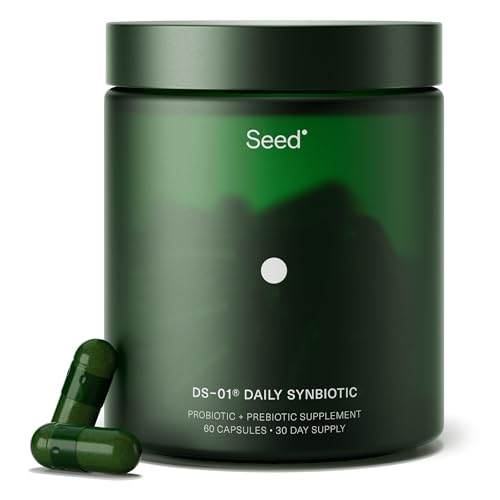
2. Seed DS-01 Daily Synbiotic — Best Premium Multi-Strain Formula
Strains: 24 clinically-studied strains (53.6 billion AFU) | Form: Two-part nested capsule | Certifications: Third-party validated, vegan
Seed's DS-01 is the most scientifically rigorous consumer probiotic product available. Rather than competing on CFU count, Seed uses AFU (Active Fluorescent Units) — a more accurate viability measure — and uses a patented nested capsule that provides exceptional protection through the stomach.
The 24-strain formula is built from strains with human clinical evidence and is validated by independent academic research. The outer capsule (prebiotic) feeds the probiotic strains in the inner capsule, creating a synbiotic delivery that supports colonization.
It's expensive and sold via subscription, but for people who want the highest-confidence multi-strain probiotic available, nothing else on the market matches Seed's transparency and research backing.
Who it's for: Biohackers, people with complex gut issues, those who want the most rigorously-tested probiotic formula available.
3. Jarrow Formulas Saccharomyces Boulardii — Best for Antibiotic Recovery
Strain: Saccharomyces boulardii (5 billion CFU) | Form: Capsule | Certifications: GMP, non-GMO
Saccharomyces boulardii is unique in the probiotic world: it's a yeast, not a bacterium, which means it is unaffected by antibiotics (which target bacterial cell machinery). This makes it the probiotic of choice during antibiotic treatment — you can take it concurrently without any interaction.
Research shows S. boulardii significantly reduces antibiotic-associated diarrhea, C. difficile recurrence, and traveler's diarrhea risk. It's one of the most evidence-backed probiotics for a specific therapeutic use case.
Who it's for: Anyone currently on antibiotics (take 2 hours apart), travelers, those with recurrent C. difficile or traveler's diarrhea.
4. Physician's Choice 60 Billion Probiotic — Best Value Multi-Strain
Strains: 10 Lactobacillus/Bifidobacterium strains (60 billion CFU at expiry) | Form: Delayed-release capsule | Certifications: Non-GMO, GMP
Physician's Choice offers the most cost-effective high-CFU, multi-strain formula with third-party testing and acid-resistant delayed-release capsules. The 60 billion CFU is guaranteed at expiry (not just at manufacturing), which is a meaningful differentiator from competitors that use inflated manufacturing-date numbers.
The 10-strain blend covers Lactobacillus acidophilus, multiple Bifidobacterium species, and includes a prebiotic (organic Jerusalem artichoke and chicory root inulin).
Who it's for: Budget-conscious buyers who want a multi-strain formula with meaningful CFU count and transparent labeling.
5. Life Extension FLORASSIST Mood Improve — Best for Gut-Brain Axis / Mood
Strains: Lactobacillus helveticus R0052 + Bifidobacterium longum R0175 (3 billion CFU) | Form: Capsule | Certifications: Non-GMO, GMP
The gut-brain axis — the bidirectional communication network between the enteric nervous system and the central nervous system — is one of the most exciting emerging areas in microbiome research. Approximately 90% of serotonin is produced in the gut, and gut microbiota directly influence mood, anxiety, and stress response.
The R0052/R0175 combination (branded as Probio'Stick in research contexts) is the most clinically-studied psychobiotic combination available. Multiple randomized controlled trials show this specific strain combination reduces self-reported anxiety scores, improves depression ratings, and lowers cortisol in stressed adults.
Note: 3 billion CFU is lower than most products on this list, but this is the dose used in clinical trials — more isn't better here.
Who it's for: Those specifically targeting anxiety, stress, or mood alongside gut health; anyone interested in the gut-brain axis.
When to Take Probiotics
Timing affects survival and colonization:
- With or shortly before a meal is generally best for most Lactobacillus and Bifidobacterium strains — food buffering reduces gastric acidity during transit
- Morning or evening — consistency of timing matters more than specific time of day for most strains
- Separate from antibiotics by 2+ hours — except S. boulardii (which is unaffected and can be taken simultaneously)
- Consistency — probiotic effects accumulate over weeks; missing occasional doses is fine, but starting and stopping is not productive
Prebiotics vs. Probiotics vs. Postbiotics
Prebiotics are dietary fibers that selectively feed beneficial gut bacteria. They don't contain live microorganisms but support the gut environment that allows probiotics to thrive. Examples: inulin, FOS, GOS, lactulose. Found naturally in garlic, onions, leeks, asparagus, and chicory root.
Probiotics are live microorganisms delivered in supplement or fermented food form that add to and modulate the existing gut microbiome.
Postbiotics are bioactive compounds produced by bacterial fermentation — short-chain fatty acids, bacteriocins, and other metabolites. The newest category in the market; evidence is emerging but limited compared to probiotics.
Synbiotics combine probiotics and prebiotics in a single formulation to support colonization.
For most people, a quality probiotic supplement plus a diet with adequate prebiotic fiber (from whole plant foods) achieves better outcomes than expensive synbiotic formulas alone.
Frequently Asked Questions
How many CFUs should a probiotic have?
CFU count is secondary to strain selection. Most well-researched doses range from 1–50 billion CFU depending on the strain. Products claiming 200–500 billion CFU are not demonstrably more effective than well-formulated 10–50 billion CFU products. What matters more: named strains with clinical evidence, delivery system that survives stomach acid, and CFU guaranteed at expiry.
Do probiotics help with IBS?
Yes, with strain-specific effectiveness. Lactobacillus rhamnosus GG, Bifidobacterium infantis 35624, and multi-strain formulas have the best evidence for IBS symptom reduction. The American College of Gastroenterology 2022 guidelines note "probable" effectiveness for global IBS symptoms, particularly in IBS-D and IBS-M subtypes.
Should you refrigerate probiotics?
Depends on the formulation. Traditional strains are heat-sensitive; modern shelf-stable formulations use encapsulation that allows room-temperature storage. Always check the label — reliable products clearly indicate refrigeration requirements.
Can probiotics cause side effects?
Initial bloating and gas are common and typically resolve within 1–2 weeks. Start with a lower dose if sensitive. For healthy adults, probiotics are very safe. Immunocompromised individuals should consult a physician before use.
Final Recommendation
For most adults seeking general gut health support: Culturelle LGG is the safest starting point with the broadest research base.
For complex gut issues or maximum formula sophistication: Seed DS-01 is the premium choice.
For antibiotic recovery: Jarrow S. boulardii is the clear category winner.
For mood and stress alongside gut health: Life Extension FLORASSIST Mood Improve is backed by specific clinical evidence that no general probiotic formula matches.
Whatever you choose, pair your probiotic with adequate dietary fiber — prebiotics from food consistently outperform supplements in supporting microbial diversity.
Sarah Mitchell, MS, RDN is a registered dietitian nutritionist specializing in gut health, the gut-brain axis, and evidence-based microbiome support strategies.
Disclaimer: VitalGuide participates in the Amazon Associates program. Links to Amazon products on this page are affiliate links — we may earn a commission if you purchase through them, at no extra cost to you. This article is for educational purposes only and should not be construed as medical advice. Consult your healthcare provider before starting any new supplement regimen, particularly if you are pregnant, breastfeeding, or managing a medical condition.