Vitamin B12 deficiency remains surprisingly common, particularly among specific populations, and understanding both who's genuinely at risk and the meaningful differences between B12 supplement forms helps ensure supplementation actually addresses the deficiency effectively when it's present.
Who Is Actually at Risk of B12 Deficiency
Vitamin B12 occurs naturally almost exclusively in animal-based foods, making vegetarians and especially vegans a population with genuine, well-documented elevated deficiency risk requiring deliberate supplementation or fortified food intake — additionally, older adults face elevated risk due to age-related decline in stomach acid production, which is needed to properly absorb B12 from food, and anyone with certain digestive conditions or who has had specific gastrointestinal surgeries also faces meaningfully elevated deficiency risk.
Why B12 Absorption Is More Complex Than Many Other Vitamins
B12 absorption requires intrinsic factor, a protein produced in the stomach that binds to B12 and enables its absorption in the small intestine — this more complex absorption pathway, compared to many other vitamins, is why certain conditions affecting stomach acid production or intrinsic factor availability specifically can cause B12 deficiency even in someone with adequate dietary B12 intake, a genuinely important distinction from simple dietary insufficiency alone.
Symptoms of Deficiency Can Be Insidious and Nonspecific
B12 deficiency symptoms — including fatigue, neurological symptoms, and in more severe cases, specific types of anemia — can develop gradually and present with nonspecific symptoms that are sometimes misattributed to other causes, making proper blood testing rather than symptom-based self-diagnosis the more reliable way to confirm an actual deficiency before assuming supplementation is needed.
Cyanocobalamin vs. Methylcobalamin: A Meaningful Form Distinction
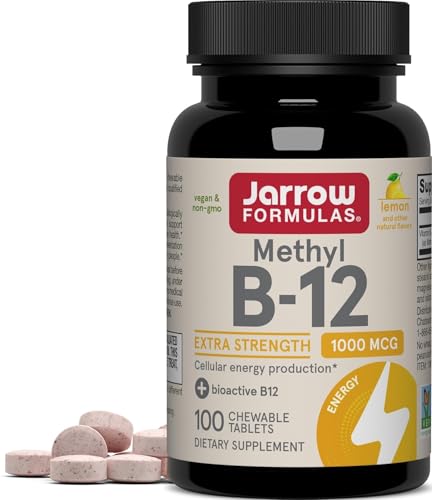
Cyanocobalamin is a synthetic, stable form commonly used in supplements and fortified foods, requiring conversion in the body to active forms, while methylcobalamin is one of the body's naturally occurring active forms, not requiring this additional conversion step — some people prefer methylcobalamin based on this more direct availability, though cyanocobalamin remains well-studied and effective for most people without a specific reason to prefer the methylated form.
Sublingual and Injectable B12 for Absorption Concerns
For people with absorption concerns related to intrinsic factor or stomach acid issues, sublingual B12 (dissolved under the tongue, allowing some absorption that bypasses the typical digestive absorption pathway) or injectable B12 (administered directly, bypassing digestive absorption entirely) represent alternative delivery methods specifically relevant when standard oral absorption is compromised — these delivery methods address a genuinely different practical need than simply choosing between cyanocobalamin and methylcobalamin forms taken orally.
Vegan and Vegetarian Supplementation Considerations
Given B12's near-exclusive presence in animal foods, vegans in particular should treat B12 supplementation as a standard, ongoing practice rather than an optional consideration, since a genuinely varied plant-based diet doesn't provide a natural dietary pathway to adequate B12 intake the way it might address some other nutrient concerns — this is one of the clearer, most universally recommended supplementation practices for this specific dietary pattern.
Interaction With Certain Medications
Some medications, including certain diabetes medications and long-term acid-reducing medications, can affect B12 absorption or status, making periodic B12 level checking a reasonable consideration for anyone on these medications long-term, distinct from the dietary risk factors discussed above.
Testing Before Assuming High-Dose Supplementation Is Needed
Given that B12 deficiency symptoms can be nonspecific and the underlying causes vary (dietary insufficiency versus absorption issues), blood testing to confirm actual deficiency before starting high-dose supplementation provides more targeted, appropriate treatment than assuming supplementation is universally needed or guessing at appropriate dose without this baseline information.
The Bottom Line
Vegans, older adults, and anyone with digestive conditions affecting absorption face genuinely elevated B12 deficiency risk requiring deliberate attention — methylcobalamin offers a more directly available active form for those preferring it, while sublingual or injectable delivery addresses absorption concerns specifically, distinct from the basic form choice.