⚡ As an Amazon Associate, VitalGuide earns from qualifying purchases. This helps us keep the site free.

Copper Supplement Guide 2026: Benefits, Dosing, Zinc-Copper Balance & Best Brands

By the VitalGuide Editorial Team · May 2026 · 13 min read

Copper is one of the most underappreciated essential minerals in human health. While zinc and magnesium have dominated the supplement conversation, copper quietly performs dozens of critical biological functions — from energy production and collagen synthesis to immune function and neurotransmitter regulation. And because high-dose zinc supplementation has become increasingly common, copper deficiency is now more prevalent than most people realize.

This guide covers everything you need to know about copper supplementation in 2026: what copper does, who is deficient, the critical zinc-copper balance, optimal dosing, and the best copper supplement brands available.

What Does Copper Do in the Body?

Copper is a trace mineral that functions as a cofactor for over 30 essential enzymes. Its primary roles include:

  • Energy metabolism: Copper is required for cytochrome c oxidase, the final enzyme in the mitochondrial electron transport chain. Without adequate copper, cellular energy production (ATP synthesis) is impaired — contributing to fatigue.
  • Collagen and elastin synthesis: The enzyme lysyl oxidase requires copper to cross-link collagen and elastin fibers. This is essential for skin integrity, wound healing, arterial wall strength, and joint health.
  • Iron metabolism: Ceruloplasmin — a copper-dependent protein — converts ferrous iron (Fe2+) to ferric iron (Fe3+), enabling iron to be transported in the blood and used for red blood cell production. Copper deficiency can cause iron-deficiency-like anemia even when iron intake is adequate.
  • Antioxidant defense: Copper is a component of superoxide dismutase (SOD), one of the body's primary antioxidant enzymes. SOD neutralizes superoxide radicals inside and outside cells.
  • Neurotransmitter synthesis: Copper-dependent enzymes are required to synthesize dopamine, norepinephrine, and neuropeptides. Adequate copper supports mood, focus, and nervous system function.
  • Immune function: Copper regulates immune cell maturation and activity, and is required for the activity of neutrophils and macrophages. Deficiency impairs both innate and adaptive immunity.
  • Melanin production: Tyrosinase, a copper enzyme, converts tyrosine into melanin. Copper deficiency is associated with premature greying of hair and loss of skin pigmentation.
  • Bone health: Copper is required for lysyl oxidase activity in bone matrix formation. Deficiency is associated with reduced bone density and increased fracture risk.

Copper Deficiency: More Common Than You Think

Outright copper deficiency was once considered rare. However, subclinical copper insufficiency appears to be increasingly common, driven by several converging factors:

High-Dose Zinc Supplementation

This is the primary modern driver of copper deficiency. Zinc and copper share the same intestinal absorption transporter (metallothionein). When zinc intake is high, it upregulates metallothionein production, which binds and sequesters copper in intestinal cells — preventing it from being absorbed into circulation. Studies have confirmed that doses of zinc as low as 50 mg per day can significantly deplete copper within weeks. Given that many immune support products, athletic formulas, and cold remedies contain 25–50 mg of zinc per serving, regular use without copper co-supplementation creates real deficiency risk.

Dietary Patterns

The richest food sources of copper are organ meats (especially liver), shellfish (oysters are exceptional), dark chocolate, nuts, and seeds. Modern Western diets low in organ meats and high in processed foods tend to be copper-poor. Vegetarian and vegan diets can be copper-adequate if they include legumes, nuts, and seeds, but bioavailability from plant sources is lower.

Gastrointestinal Conditions

Celiac disease, Crohn's disease, gastric bypass surgery, and other conditions that reduce upper small intestine absorption can cause copper malabsorption. High-dose antacid use (particularly long-term proton pump inhibitor use) has also been linked to copper deficiency.

Symptoms of Copper Deficiency

  • Fatigue and weakness (microcytic or normocytic anemia)
  • Frequent infections and slow recovery
  • Poor wound healing
  • Joint pain and early osteoporosis
  • Numbness or tingling in hands and feet (peripheral neuropathy)
  • Gait abnormalities (myelopathy — mimics subacute combined degeneration from B12 deficiency)
  • Premature greying of hair
  • Pale or washed-out skin tone
  • Elevated LDL cholesterol (copper is involved in lipid metabolism)

Severe copper deficiency produces neurological symptoms almost identical to vitamin B12 deficiency — it is underdiagnosed because clinicians often don't consider copper. If you've supplemented high-dose zinc for months without adding copper, testing serum copper and ceruloplasmin levels is worthwhile.

The Zinc-Copper Ratio: Why It Matters

The zinc-copper ratio has emerged as an important biomarker for inflammation, immune function, and chronic disease risk. A normal serum zinc-to-copper ratio is approximately 0.7–1.0. Persistently elevated ratios (high zinc, low copper) are associated with increased cardiovascular risk and immune dysfunction.

For supplementation purposes, a practical target ratio is 10:1 zinc to copper. If your supplement stack includes:

  • 15 mg zinc: add 1–1.5 mg copper
  • 25–30 mg zinc: add 2–3 mg copper
  • 50 mg zinc: add 4–5 mg copper

Note that the tolerable upper limit for copper is 10 mg per day. Most people need between 1–3 mg of supplemental copper. Food sources of copper should be counted — if you regularly eat liver, oysters, or large amounts of nuts, your dietary copper intake is likely already adequate.

Forms of Copper Supplements: Which Is Best?

Copper Bisglycinate (Chelated)

The gold standard form. Copper bisglycinate is bound to two glycine molecules, which protects it from binding interactions in the gut and dramatically improves absorption compared to inorganic forms. Better tolerated on an empty stomach. This is the form used in premium multi-mineral and standalone copper products.

Copper Gluconate

The most widely available form, found in most standalone copper supplements. Good bioavailability, cost-effective, and well-tolerated. A strong second choice to bisglycinate.

Copper Sulfate

Effective and absorbable, but more likely to cause nausea and GI upset, especially at higher doses or on an empty stomach. More common in cheap generics.

Copper Oxide

Poor bioavailability — largely passes through the gut without being absorbed. Found in some low-quality multivitamins. Avoid.

Best Copper Supplements 2026: Our Top Picks

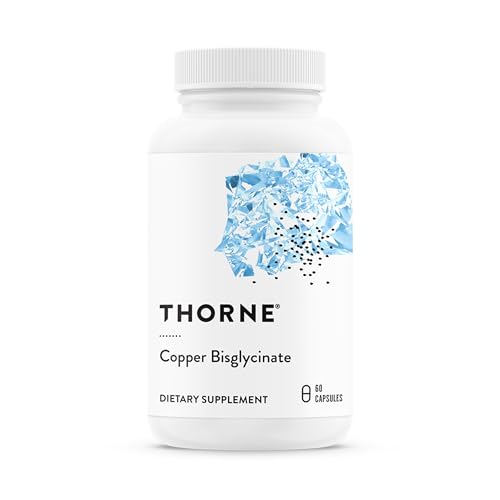
1. Thorne Copper Bisglycinate

Best Overall — Highest Bioavailability, NSF Certified

Thorne is the benchmark for quality in the supplement industry, and their copper bisglycinate product exemplifies why. NSF Certified for Sport — meaning every batch is tested for contaminants and label accuracy — and using the highest-bioavailability chelated form available. Each capsule provides 2 mg of copper bisglycinate, an ideal dose for those co-supplementing with zinc. Thorne's manufacturing practices are among the most stringent in the industry, with GMP-compliant facilities and consistent third-party testing. If you're serious about supplementing copper correctly, this is the product to use.

Pros: NSF Certified for Sport, chelated bisglycinate form, optimal 2 mg dose, Thorne quality standards.

Cons: Higher price than basic gluconate options; may be more than necessary for light zinc supplementers.

Best for: Athletes, those on high-dose zinc protocols, and anyone who wants third-party tested quality.


2. Pure Encapsulations Copper (Glycinate)

Best for Sensitive Individuals — Hypoallergenic Formula

Pure Encapsulations specializes in hypoallergenic formulations — no fillers, binders, artificial colors, or common allergens. Their copper glycinate capsule provides 1 mg per serving in a clean, minimal formula. An ideal choice for people with sensitivities or those who simply want a no-frills, high-quality copper supplement. Pure Encapsulations products are physician-trusted and widely used in clinical practice. The 1 mg dose is appropriate for general maintenance alongside moderate zinc intake.

Pros: Hypoallergenic, no unnecessary additives, physician-grade quality, good for sensitive users.

Cons: 1 mg dose requires taking multiple capsules if higher amounts are needed; premium price.

Best for: Sensitive individuals, those with food allergies, clinical/physician-directed supplementation.


3. NOW Foods Copper 3mg (Chelated)

Best Value — Chelated Form at an Accessible Price

NOW Foods delivers the chelated copper form at a price point significantly lower than Thorne or Pure Encapsulations. Their 3 mg chelated copper capsule is appropriate for those supplementing high-dose zinc (40–50 mg range) or those recovering from zinc-induced copper depletion. NOW is GMP certified and has a long track record of accurate labeling and consistent quality for a budget-friendly brand. A solid choice for cost-conscious buyers who don't want to compromise on form.

Pros: Chelated form, 3 mg dose useful for high-zinc protocols, GMP certified, excellent price.

Cons: 3 mg may be more than necessary for most users; not NSF Certified.

Best for: Budget-conscious buyers; those on high-dose zinc supplementation; value-seekers who won't compromise on form.


4. Life Extension Copper 1mg

Best Low-Dose Option — Ideal for Multivitamin Users

Life Extension offers a 1 mg copper supplement using copper amino acid chelate, at a very affordable price for the quantity provided. This low dose is ideal for users who already get some copper from their diet or multivitamin and simply need top-up supplementation to counter moderate zinc intake. Life Extension is a respected longevity-focused supplement brand with strong quality standards. A good entry-level option.

Pros: Low 1 mg dose for flexible dosing, amino acid chelate form, affordable, reputable brand.

Cons: Not third-party certified; lower dose may require stacking for high-zinc users.

Best for: Multivitamin users adding copper on top; light zinc supplementers; entry-level copper users.

Copper Dosing: Practical Protocol

Most adults need between 1–3 mg of supplemental copper, depending on dietary intake and zinc supplementation levels:

  • No zinc supplementation: If your diet includes regular meat, nuts, and seeds, dietary copper may be sufficient. A 1 mg supplement as insurance is reasonable.
  • Moderate zinc (15–25 mg/day): Add 1.5–2 mg copper daily.
  • High zinc (30–50 mg/day): Add 2–3 mg copper daily.
  • Recovery from deficiency: Consult a healthcare provider — 3–5 mg daily under supervision for 4–8 weeks, then reassess serum copper and ceruloplasmin.

Timing: Take copper away from high-dose zinc (separate by at least 2 hours) to minimize absorption competition. Taking with food reduces the risk of nausea.

Copper-Rich Foods: Can You Get Enough from Diet?

Yes — if you eat the right foods. The best dietary sources of copper per 100g are:

  • Beef liver: ~14 mg (over 15x the RDA)
  • Oysters: ~4.8 mg
  • Dark chocolate (85%+): ~1.7 mg
  • Cashews: ~2.2 mg
  • Sunflower seeds: ~1.8 mg
  • Sesame seeds: ~4.1 mg
  • Shiitake mushrooms: ~0.9 mg
  • Spirulina: ~6.1 mg

If you eat liver once a week, oysters occasionally, and include nuts and seeds regularly, supplemental copper may not be necessary unless you're taking high-dose zinc. For those avoiding organ meats, supplementation is a practical and low-risk strategy.

Safety: Is Copper Supplementation Safe?

At recommended doses (1–3 mg), copper supplementation is very safe and well-tolerated. The tolerable upper limit (UL) is 10 mg per day. Copper toxicity is rare but can occur at very high doses or from contaminated water supplies (copper pipes). Symptoms of excess include nausea, vomiting, abdominal pain, and in severe cases, liver damage. Genetic copper metabolism disorders (Wilson's disease) contraindicate supplementation — those diagnosed with Wilson's disease must not use copper supplements.

The Bottom Line

Copper is a critical mineral that's easy to overlook and increasingly easy to deplete through common supplement habits — especially high-dose zinc. For most people supplementing zinc, adding 1–3 mg of chelated copper daily is a low-cost, high-value insurance policy that protects energy production, collagen synthesis, immune function, and neurological health.

For best results, choose copper bisglycinate (Thorne or Pure Encapsulations) for maximum absorption and tolerability. Budget-conscious buyers can trust NOW Foods chelated copper for the same form at lower cost. Take copper at a different time from zinc, with food, and at a dose matched to your zinc intake level.

If you're interested in optimizing your full mineral stack, see our guides on zinc supplementation, magnesium forms and dosing, and best multivitamins for men.

Disclaimer: VitalGuide participates in the Amazon Associates program. Links to Amazon products on this page are affiliate links — we may earn a commission if you purchase through them, at no extra cost to you. This article is for informational and educational purposes only and does not constitute medical advice. Consult your healthcare provider before starting any new supplement, particularly if you have a medical condition such as Wilson's disease or liver disease.

Related Articles

Browse all Supplement guides →

Get Weekly Wellness Tips

Join 50,000+ readers who get our weekly roundup of the best health products, deals, and evidence-based wellness advice.

👩‍⚕️

Reviewed by

Sarah Mitchell, MS, RDN

Sarah is a Registered Dietitian Nutritionist with a Master's in Nutritional Sciences and over 12 years of clinical experience. She leads VitalGuide's editorial review process, ensuring every recommendation reflects current scientific evidence.

View full profile →