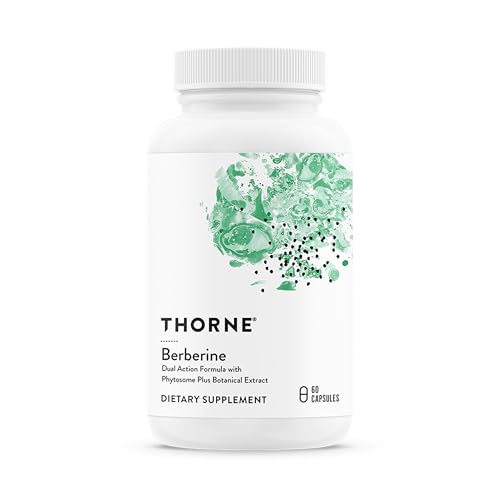
Berberine picked up the nickname "nature's Ozempic" as GLP-1 drugs became a cultural phenomenon, and while that comparison oversells what a plant compound can do, the underlying science is more interesting than the marketing. Berberine is one of the few natural compounds with genuine clinical evidence for blood sugar regulation — it just works through a completely different mechanism than pharmaceutical GLP-1 agonists. For the product-side decisions — absorption, dosing consistency, and purity — see our berberine buying guide.
How It Actually Works
Berberine activates an enzyme called AMPK — sometimes called the body's "metabolic master switch" — which increases insulin sensitivity, improves glucose uptake into cells, and reduces glucose production in the liver. This is mechanistically similar to how metformin works, and several head-to-head trials have found berberine produces comparable reductions in fasting blood glucose and HbA1c to metformin in people with type 2 diabetes, though metformin still has the larger and more consistent evidence base overall.
GLP-1 drugs (semaglutide, tirzepatide) work entirely differently — they mimic a gut hormone that slows gastric emptying, increases satiety, and stimulates insulin release. The appetite-suppressing effect that drives most of GLP-1 drugs' weight loss results is not something berberine meaningfully replicates. Any weight loss associated with berberine use is modest and more plausibly tied to improved insulin sensitivity and metabolic function than to appetite suppression.
What the Evidence Actually Supports
Berberine's best-supported uses are blood sugar management and, secondarily, improvements in cholesterol and triglyceride markers. It is not a substitute for GLP-1 medications for significant weight loss, and framing it that way sets people up for disappointment. It's more accurately understood as a metabolic-health supplement with a genuine mechanism of action, in the same general category as metformin-adjacent interventions, not as an appetite suppressant.
Practical Considerations
Effective doses in trials are typically 500mg taken two to three times daily with meals — timing matters here since berberine has a short half-life. Common side effects are gastrointestinal (cramping, diarrhea) and tend to improve with continued use or a lower starting dose. Berberine has real drug interactions, particularly with medications metabolized by the CYP3A4 liver enzyme, and it should not be combined with other blood-sugar-lowering medications without medical supervision, since the combined effect can push blood sugar too low.
The Bottom Line
Berberine is a legitimately evidence-backed metabolic health supplement, but the "natural Ozempic" framing overstates its role in weight loss specifically. If blood sugar and metabolic markers are the goal, it's one of the more credible options in the supplement aisle — just don't expect GLP-1-level appetite suppression, because that's not the mechanism.