The wall. The bonk. Whatever you call it, hitting glycogen depletion at mile 18 of a marathon is one of the most demoralizing experiences in endurance sport. And it's almost entirely preventable with proper nutrition strategy. Yet the majority of recreational endurance athletes — people who meticulously plan their training weeks, their long runs, their taper — show up to race day with a vague fueling plan that amounts to "eat some gels when I start feeling bad."
That approach doesn't work. Endurance performance nutrition is not complicated, but it is precise. The difference between a well-executed fueling strategy and a poorly executed one can be 20–40 minutes in a marathon and the difference between finishing strong or walking the last 10K. This guide lays out everything you need to know about pre-race nutrition, carbohydrate loading, mid-race fueling, electrolyte management, and post-race recovery — backed by current sports science and practical, tested protocols.
The Science of Endurance Fueling
Glycogen: Your Primary Fuel and Its Limits
The human body stores approximately 400–600 grams of glycogen (stored carbohydrate) — roughly 1,600–2,400 calories worth. At marathon effort (roughly 60–75% of VO2 max for recreational athletes), the body burns approximately 600–900 calories per hour, with carbohydrates comprising 50–70% of that demand. Simple math reveals the problem: at race intensity, you'll exhaust your glycogen stores somewhere around the 90-minute to 2-hour mark without any external fueling — which is precisely when most recreational runners "hit the wall" between miles 18–22 of a marathon.
The solution is twofold: (1) maximize glycogen stores going into the race through strategic carbohydrate loading, and (2) continuously replace carbohydrates during the race through external fueling to delay depletion as long as possible.
The Gut as a Performance Limiter
Your gut can only absorb carbohydrates at a fixed rate, regardless of how much you consume. Historically, this rate was believed to max out at around 60 grams per hour using a single carbohydrate source (glucose or maltodextrin). Research published in the early 2010s by Asker Jeukendrup and colleagues at the University of Birmingham demonstrated that combining two different carbohydrate types — specifically glucose/maltodextrin plus fructose — uses different intestinal transporters simultaneously, raising absorption capacity to 90–120 grams per hour in trained athletes. This "dual-source" discovery is why virtually every modern high-performance sports nutrition product combines maltodextrin with fructose.
Sodium and Electrolytes During Racing
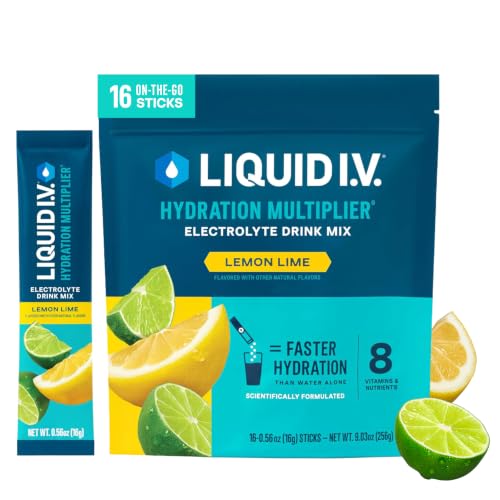
Exercise-associated hyponatremia (dangerously low blood sodium) has caused deaths in endurance events — typically in slower participants who drank excessive plain water without sodium. Conversely, dehydration impairs performance significantly at losses exceeding 2% of bodyweight. The practical solution: drink to thirst (not on a fixed schedule), prioritize sodium-containing fluids, and supplement with electrolyte products containing 400–1,000 mg of sodium per hour in hot/humid conditions.
The Carbohydrate Loading Protocol
Why Traditional 7-Day Carb Loading Doesn't Work
The classic 7-day carb loading protocol (depletion phase followed by loading phase) is outdated and largely unnecessary for well-trained athletes. Modern research shows that glycogen stores can be maximized in just 24–48 hours with high carbohydrate intake, provided training volume is simultaneously reduced (tapered). A 2020 review in Sports Medicine concluded that 1–3 days of high-carbohydrate intake (8–12 g/kg bodyweight/day) combined with reduced training is as effective at maximizing muscle glycogen as any longer protocol.
The 48-Hour Protocol
For most recreational runners racing a marathon or half marathon:
- T-48 hours (2 days before race): Begin eating 7–8 g of carbohydrate per kg of bodyweight. Reduce fiber intake (no raw vegetables, beans, or high-fiber grains). Prioritize white rice, pasta, white bread, bananas, and sports drinks. Reduce training to 20–30 minutes easy.
- T-24 hours (day before race): Maintain 7–8 g carbs/kg. Keep meals simple — no experimenting with new foods. Rest or very light activity only. Hydrate consistently throughout the day with sodium-containing fluids.
- T-3 hours (race morning meal): Eat 1–2 g carbs/kg bodyweight. Classic options: oatmeal with banana and honey, white toast with peanut butter and jam, bagel with banana. Avoid high-fat, high-fiber, and high-protein meals that slow gastric emptying.
- T-30 to 60 min (pre-race top-up): 30–60 g of easily-digested carbohydrate (a gel, banana, or sports drink). This pre-race loading primes muscle glycogen and blood glucose.
Mid-Race Fueling: The Execution Protocol
When to Start Fueling
Don't wait until you feel tired. Research consistently shows that fueling works best when started early — before glycogen depletion begins. For races over 60 minutes, begin fueling at the 30–45 minute mark. For a marathon, plan to take your first gel at the 30–45 minute mark, then continue every 30–40 minutes thereafter.
How Much Carbohydrate Per Hour
- Races 60–90 minutes (half marathon fast, 10K): 30–60 g of carbohydrate per hour
- Races 90 min to 2.5 hours (half marathon to marathon average): 60 g/hour (single-source) or up to 90 g/hour (dual-source glucose+fructose)
- Races over 2.5 hours (slow marathon, ultra): 60–90 g/hour; consider real food options (dates, bananas, rice balls) for longer events
Gel Timing and Water
Always take gels with 150–250 ml of water (not sports drink) to aid absorption and prevent GI distress. Taking concentrated glucose gels with a sports drink creates an overly hypertonic solution in the gut that can cause cramping and delayed absorption. If using sports drink as your primary carbohydrate source, you don't need gels — but monitor total carbohydrate intake to stay on target.
Best Race Day Fueling Products 2026
1. Maurten Gel 100 — Best Overall Race Gel
Best for: Faster runners who struggle with traditional gel GI distress
Maurten's hydrogel technology encapsulates carbohydrates (25g glucose + fructose per gel) in a polymer matrix that passes through the stomach without triggering osmotic stress — the mechanism behind GI distress with traditional gels. Multiple elite marathon world records (including the sub-2-hour Ineos Challenge) have been set using Maurten. The Gel 100 is unflavored and gel-texture rather than syrupy, making it easier to take without water for elite racers. Best value in 12- or 18-packs.
2. GU Energy Original Sports Nutrition Energy Gel — Best Value
Best for: Recreational runners wanting proven, affordable, flavored gels in many varieties
GU is the original modern sports gel and remains the category standard for recreational endurance athletes. Each packet contains 22g of carbohydrates (maltodextrin + fructose), 40mg sodium, and optional caffeine (in roughly half the flavors). The variety pack lets you test multiple flavors before race day. GU gels require water for proper absorption — don't take dry. At around $1.20–1.50 per gel in multi-packs, GU offers the best cost-per-gram-of-carbohydrate of any major brand.
3. Precision Hydration PH 1500 Electrolyte Sachets — Best Electrolytes for Hot Races
Best for: Salty sweaters, athletes racing in heat or humidity, anyone prone to cramping
Precision Hydration produces electrolyte products specifically calibrated to different sweat sodium concentrations. Their PH 1500 contains 1,500 mg of sodium per serving — nearly 4× the sodium of standard sports drinks — designed for heavy sweaters or hot-weather racing. Research and elite coaching consistently shows that most recreational athletes are severely under-sodiuming in long races. A single PH 1500 sachet pre-race and one per water bottle during a marathon can make a significant difference in late-race performance and cramp prevention.
4. Honey Stinger Organic Energy Chews — Best for Athletes Who Dislike Gels
Best for: Athletes who find gel texture unpleasant and prefer chewable mid-race nutrition
Honey Stinger's chews use organic tapioca syrup and honey as carbohydrate sources — a dual-source approach that supports 60+ g/hour absorption. One package contains 40g of carbohydrates. The chewable format works well for athletes who experience nausea from concentrated gel shots. Note: chews require more time to chew and swallow than a gel — factor this into your race fueling timing and avoid attempting to chew at hard efforts.
5. SiS Beta Fuel Energy Gel — Best for High-Dose Fueling
Best for: Well-trained athletes targeting 90g+/hour carbohydrate intake
Science in Sport's Beta Fuel gels contain 40g of carbohydrates per packet (vs. 22–25g in most competitors) in a 1:0.8 maltodextrin:fructose ratio optimized for maximum intestinal absorption. This dual-source ratio has been shown in clinical research to support up to 90g/hour absorption with minimal GI distress in trained athletes. For runners targeting sub-4 or sub-3:30 marathons who want to minimize the number of gels taken, Beta Fuel's higher dose per packet is a meaningful advantage.
Post-Race Recovery Nutrition
Recovery nutrition is often neglected after a major race, but the 30–60 minutes immediately following completion represent a critical window for glycogen resynthesis and muscle repair. The "glycogen window" — elevated GLUT4 transporter activity that accelerates glucose uptake into muscle cells — is most active in the first 30–60 minutes post-exercise.
- Carbohydrates: 1–1.2 g/kg bodyweight within 30 minutes. Simple, fast-absorbing sources (sports drink, fruit, rice cakes) are preferred immediately post-race.
- Protein: 25–40g within 60 minutes for muscle repair. Chocolate milk is a convenient and research-supported post-race option (carbohydrate + protein + fluid + electrolytes in one).
- Sodium: Prioritize salty foods or sodium-containing sports drinks to restore lost electrolytes, especially if you've been sweating for 3+ hours.
- Hydration: Drink to thirst. Don't aggressively over-hydrate with plain water post-race — this can exacerbate hyponatremia if sodium has been depleted.
FAQ: Race Day Nutrition
What should I eat for breakfast before a marathon?
Eat 1–2 g of carbohydrate per kilogram of bodyweight 2–3 hours before your start time. Classic options that work well for most runners: oatmeal with banana and honey, white toast with jam or peanut butter and banana, bagel with cream cheese. Avoid high-fat, high-fiber, and unfamiliar foods. Stick with what you've practiced on long training runs — race morning is the worst time to experiment with food. If the race starts very early, a liquid meal (smoothie with banana, oats, and milk) can be a good option.
How many gels do I need for a marathon?
For a standard marathon pacing effort, plan for 1 gel every 30–40 minutes starting at the 30–45 minute mark. For a 4-hour finish time, that's approximately 5–6 gels if using standard 22–25g gels, or 4 gels if using higher-dose 40g gels. The goal is to consume 45–60g of carbohydrates per hour. Always carry one extra gel in case you drop one or feel you need extra energy late in the race. Practice your exact fueling plan on long training runs before race day.
Will carb loading make me gain weight before a race?
Yes, temporarily. Each gram of glycogen stored in muscle is accompanied by approximately 3 grams of water. Successfully loading your muscles with an extra 100–200g of glycogen will add roughly 300–600g (0.7–1.3 lbs) of water weight. This is completely normal and not actual fat gain — it's the water associated with your fuel stores. That water is released during the race and actually contributes to your hydration. Runners who avoid carb loading out of concern for "feeling heavy" or "weight gain" consistently perform worse than those who load properly.
Do I need to fuel during a half marathon?
For most recreational runners finishing in over 90 minutes, yes. Under 75 minutes (elite pace), glycogen stores are sufficient without mid-race fueling. At 1:45 to 2:30 half marathon paces, taking 1–2 gels at the 30–40 minute mark and around mile 8–9 provides a meaningful performance benefit by maintaining blood glucose and sparing muscle glycogen. Even if you don't feel like you need fuel, taking it proactively prevents the late-race fade that affects many half marathoners in the final 5K.