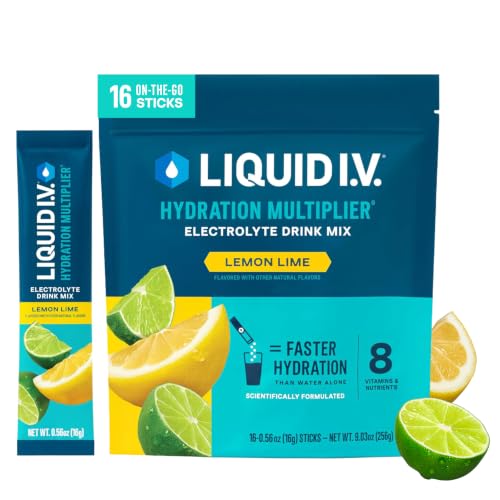
The hydration supplement market has exploded over the past few years, with brands like LMNT, Liquid IV, Nuun, DripDrop, and dozens of others competing for shelf space. But most consumers don't know what they're actually buying β or whether they need it at all.
The reality: electrolytes are not snake oil. Sodium, potassium, magnesium, and chloride are essential for fluid balance, muscle contractions, nerve signaling, and dozens of other physiological functions. But the formulas vary enormously between products β and the differences matter significantly depending on your goals.
This guide breaks down the science of electrolytes, when you actually need a supplement, and which products are worth your money in 2026.
What Are Electrolytes and Why Do They Matter?
Electrolytes are minerals that carry an electric charge when dissolved in fluid. The major electrolytes relevant to hydration and performance are:
- Sodium (NaβΊ) β The primary electrolyte controlling fluid balance and blood volume. Also drives thirst and directly affects how much water your cells retain. Most critical electrolyte for performance.
- Potassium (KβΊ) β Works opposite to sodium inside cells; critical for muscle contraction, heart rhythm, and blood pressure regulation. Low potassium causes muscle cramps and fatigue.
- Magnesium (MgΒ²βΊ) β Involved in over 300 enzymatic reactions; essential for muscle relaxation (the counterpart to calcium's contraction signal), ATP production, and sleep.
- Chloride (Clβ») β Balances sodium; helps maintain fluid volumes and supports digestion via stomach acid.
- Calcium (CaΒ²βΊ) β Drives muscle contractions and bone health; less commonly depleted through sweat than the others.
When you sweat, you lose primarily sodium and chloride β not pure water. This is why drinking plain water during prolonged exercise can actually make you feel worse: it dilutes your remaining blood sodium (a dangerous condition called hyponatremia) without replacing what was lost.
Who Actually Needs Electrolyte Supplements?
The honest answer: not everyone. Here's who benefits most:
- Athletes and heavy exercisers β Anyone doing 60+ minutes of moderate-to-intense exercise, especially in heat. Sweat losses of 1β2g of sodium per hour are common in heavy sweaters.
- Low-carb / ketogenic dieters β Ketosis causes increased sodium excretion via the kidneys. People in ketosis have substantially higher electrolyte requirements, especially for sodium, potassium, and magnesium.
- People in hot climates β High ambient temperatures and physical outdoor labor substantially increase sweat and electrolyte losses.
- Those experiencing low-energy, headaches, or muscle cramps β These are classic signs of electrolyte depletion, especially if diet is low in salt or carbs.
- Fasting individuals β Extended fasting dramatically increases electrolyte excretion via urine.
For sedentary people eating a typical diet with adequate sodium, dedicated electrolyte supplements may add little benefit beyond what food provides. The main exception: if you're cutting sodium for other reasons (low blood pressure support, heart disease, etc.), consult your doctor.
The Sodium Debate: How Much Is Enough?
The biggest formulation difference between electrolyte products is sodium content. This is where products diverge dramatically β and where most mass-market products fall short.
Standard sweat contains roughly 900mg of sodium per liter. Most sports drinks (Gatorade, Powerade) provide only 150β300mg per serving. LMNT provides 1,000mg per packet. This massive difference reflects a genuine philosophical split: mainstream nutrition guidelines recommend limiting sodium, while newer sports science evidence suggests those guidelines were poorly derived and that active individuals need substantially more.
For performance and low-carb contexts, the higher-sodium products are generally superior. For casual hydration, moderate-sodium options work fine.
Top Electrolyte Supplements Compared (2026)
1. LMNT Electrolyte Drink Mix β Best High-Sodium Formula
LMNT is the gold standard for high-performance electrolyte supplementation. Each packet delivers 1,000mg sodium, 200mg potassium, and 60mg magnesium β zero sugar, zero artificial dyes, and minimal fillers. Originally designed for athletes and keto dieters, LMNT has become mainstream for good reason: the sodium content actually matches real sweat losses, and the flavors are legitimately good (citrus salt and watermelon salt are favorites).
The downside: LMNT is expensive per serving and some people find 1,000mg of sodium per packet excessive for light activity. But for serious training, hot weather exercise, or ketogenic diets, this is the top pick.
Best for: Athletes, keto dieters, heavy sweaters, people training in heat. Zero sugar, maximum electrolytes.
2. Liquid IV Hydration Multiplier β Best for Travel and General Hydration
Liquid IV uses "Cellular Transport Technology" β essentially a glucose-sodium cotransport mechanism that's been known in sports science for decades (it's how oral rehydration salts work). The glucose helps pull sodium β and water β into cells faster than water alone. Each stick provides 500mg sodium, 380mg potassium, and B vitamins, along with 11g of sugar. It's effective for hangover recovery, travel dehydration, and illness recovery. The sugar content makes it less ideal for keto or very low-carb eating patterns.
Best for: Travel, hangover recovery, illness, general hydration. Less ideal for keto or sugar-free diets.
3. Nuun Sport Electrolyte Tablets β Best Low-Calorie Option
Nuun's effervescent electrolyte tablets are a convenient, portable option with moderate electrolyte levels: 300mg sodium, 150mg potassium, 25mg magnesium, and 13mg calcium per tablet, with only 15 calories. The tablet format is extremely portable and the lower sodium content suits moderate exercisers who aren't extreme sweaters. Nuun works well for 60β90 minute workouts in moderate conditions but may be insufficient for heavy training or hot weather.
Best for: Moderate exercisers, endurance athletes at easy intensities, people who want a light-calorie option in tablet form.
4. DripDrop ORS β Best for Illness and Severe Dehydration
DripDrop is a medical-grade oral rehydration solution (ORS) formulated to meet the WHO and UNICEF electrolyte standards for rehydration. With 330mg sodium, 185mg potassium, and 7g sugar per serving, it uses the same glucose-sodium cotransport mechanism as Liquid IV but in a more clinically validated formula. DripDrop is particularly useful during illness, food poisoning, intense diarrhea or vomiting, or severe heat dehydration. It's widely used in hospitals and disaster relief β and it's available on Amazon.
Best for: Illness recovery, severe dehydration, medical-grade rehydration. Doctor-recommended formula.
5. Precision Hydration PH1000 β Best for Endurance Athletes
Precision Hydration is trusted by professional endurance athletes and has a research-based approach to electrolytes. The PH1000 formula delivers exactly 1,000mg of sodium per liter when mixed correctly, matching high-sweat-rate losses. Available in multiple strengths (PH500, PH1000, PH1500) so athletes can dial in their specific sweat rate needs. Zero sugar in the tablet/sachet format. Used by Tour de France cyclists, Ironman competitors, and elite runners.
Best for: Endurance athletes, triathletes, cyclists, and runners with high sodium sweat rates.
Electrolyte Comparison Table
| Product | Sodium | Potassium | Sugar | Best For |
|---|---|---|---|---|
| LMNT | 1,000mg | 200mg | 0g | Athletes, keto |
| Liquid IV | 500mg | 380mg | 11g | Travel, hangover |
| Nuun Sport | 300mg | 150mg | 1g | Moderate exercise |
| DripDrop ORS | 330mg | 185mg | 7g | Illness, medical |
| Precision Hydration 1000 | 1,000mg/L | Variable | 0g | Endurance sports |
Signs You're Electrolyte Depleted
- Muscle cramps during or after exercise
- Persistent headaches, especially after intense activity
- Brain fog or difficulty concentrating
- Dizziness or lightheadedness when standing
- Fatigue that doesn't resolve with rest
- Increased thirst despite drinking water
- Heart palpitations
- Nausea after heavy exercise or in hot weather
How to Choose: A Simple Framework
- Keto or low-carb diet? β LMNT (high sodium, zero sugar)
- Endurance athlete or heavy sweater? β LMNT or Precision Hydration PH1000
- Moderate exerciser or casual use? β Nuun Sport (convenient tablet, low calorie)
- Travel, hangover, or illness? β Liquid IV or DripDrop
- Medical-grade rehydration? β DripDrop ORS
The Bottom Line
Electrolyte supplements are legitimate and often underused β especially by athletes, low-carb dieters, and people in hot climates. The most common mistake is buying products with too little sodium, which doesn't actually address sweat-driven depletion. For serious training, LMNT is our top pick. For versatility and ease of use, Nuun is hard to beat. And if you're sick or severely dehydrated, reach for DripDrop.
Drink more water, but make sure that water has the minerals your body actually needs.
Disclaimer: VitalGuide participates in the Amazon Associates program. Links to Amazon products on this page are affiliate links β we may earn a commission if you purchase through them, at no extra cost to you. This article is for educational purposes only and should not be construed as medical advice. Consult your healthcare provider before starting any new supplement regimen, especially if you have hypertension, kidney disease, or heart conditions.