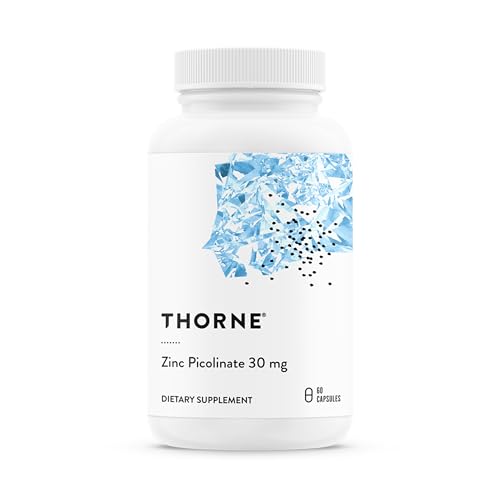
Zinc is an essential trace mineral involved in numerous physiological processes including immune function, wound healing, and reproductive health — but as discussed in our copper supplement guide, zinc's relationship with copper absorption represents one of the more important practical considerations for anyone considering regular zinc supplementation.
Zinc's Core Physiological Roles
Zinc serves as a cofactor for hundreds of enzymes involved in processes spanning immune function, protein synthesis, wound healing, and DNA synthesis, among numerous other roles — this broad physiological involvement is why zinc deficiency, when it occurs, can manifest across multiple different body systems rather than affecting one narrow, isolated function.
The Zinc-Copper Interaction: A Critical Consideration
As discussed in more depth in our copper supplement guide, high-dose zinc supplementation over extended periods, without adequate copper intake, is a well-documented cause of copper deficiency, since these two minerals compete for shared absorption pathways in the digestive tract — this interaction is arguably the single most important practical consideration for anyone taking zinc supplements regularly, particularly at higher doses or for extended durations.
Immune Function and Acute Illness Research
Zinc has a reasonably well-researched application for acute upper respiratory illness, with some studies finding that zinc supplementation, particularly when started early in illness onset, may modestly reduce cold duration and severity — this represents one of zinc's more specifically studied and practically actionable applications, distinct from its broader, more general immune-support role.
Zinc Lozenges vs. Oral Capsules for Acute Illness
For the acute illness application specifically, zinc lozenges, allowing direct contact with throat tissue, have been used in much of the relevant research, potentially providing a more direct localized effect compared to swallowed capsules that bypass this direct throat contact — this delivery method distinction is worth understanding specifically for the acute illness use case, separate from zinc's general daily supplementation considerations.
Common Zinc Forms and Absorption Differences
Zinc supplements come in various forms including zinc picolinate, zinc citrate, and zinc gluconate, among others, with some research suggesting meaningful differences in absorption efficiency between these forms — zinc picolinate is sometimes cited as having favorable absorption characteristics, though various forms have been used across different research contexts, making this a secondary consideration compared to the more critical zinc-copper balance issue discussed above.
Wound Healing and Skin Health Applications
Zinc's role in protein synthesis and cellular repair processes connects to its use in supporting wound healing, and topical zinc formulations are separately used in some skin health and wound care contexts — this topical application represents a distinct use case from oral supplementation, similar to how some other nutrients discussed on this site have both systemic and topical applications with somewhat different relevant considerations.
Reproductive Health and Testosterone-Related Considerations
Zinc deficiency has been associated with impaired reproductive function and lower testosterone levels in deficient individuals specifically, connecting to the broader testosterone optimization discussion in our dedicated guide — as emphasized there, this benefit applies specifically to correcting an actual confirmed deficiency, not to supplementing beyond adequate levels in someone without a genuine zinc deficit.
Dosing and Avoiding Excessive Long-Term Intake
Given the copper interaction risk and other potential effects of excessive zinc intake, following reasonable supplemental dosing guidelines rather than assuming higher doses provide proportionally greater benefit is a sensible approach, particularly for anyone planning extended, ongoing zinc supplementation rather than short-term acute illness use specifically.
The Bottom Line
Zinc's broad physiological roles make it a genuinely important mineral, with acute illness support being one of its more specifically researched applications — the critical practical consideration for anyone supplementing zinc regularly is ensuring adequate copper intake alongside it, given the well-documented risk of zinc-induced copper deficiency with extended high-dose use.