⚡ As an Amazon Associate, VitalGuide earns from qualifying purchases. This helps us keep the site free.

Lymphatic Drainage Guide 2026: At-Home Techniques, Tools & Benefits

By the VitalGuide Editorial Team · May 2026 · 12 min read

The lymphatic system is one of the most overlooked systems in the body — yet it quietly governs immune surveillance, fluid balance, fat absorption, and cellular waste removal. Unlike the cardiovascular system, the lymphatic system has no pump. Lymph fluid moves through your body exclusively through muscle contractions, breathing, and the gentle mechanical pressure of movement and massage. When lymphatic flow becomes sluggish — from sedentary habits, poor sleep, high sodium intake, or illness — the consequences show up as puffiness, bloating, fatigue, and impaired immune function.

Lymphatic drainage has moved from a niche physical therapy technique into mainstream wellness culture for good reason: the science supporting its benefits for edema reduction, immune support, post-surgical recovery, and general well-being is increasingly robust. You don't need a licensed massage therapist to do it — several effective techniques can be done at home in 10–15 minutes daily with minimal equipment.

This guide explains how the lymphatic system works, the evidence for lymphatic drainage, and the most effective at-home techniques and tools for supporting lymphatic flow daily.

What Is Lymphatic Drainage?

Lymphatic drainage is any technique that stimulates the flow of lymph fluid through the lymphatic vessels toward the lymph nodes, where it is filtered and returned to circulation. The most evidence-based form is Manual Lymphatic Drainage (MLD) — a specialized massage technique developed by Dr. Emil Vodder in the 1930s. At-home adaptations of MLD, combined with dry brushing, rebounding, and targeted tools, bring these benefits within reach for daily self-care practice.

How the Lymphatic System Works

The lymphatic system is a network of vessels, nodes, and organs that runs parallel to the circulatory system. Its primary functions are:

Fluid regulation: About 10% of the fluid that leaves capillaries (approximately 3 liters/day) is not reabsorbed directly into the bloodstream. The lymphatic system collects this excess fluid — now called lymph — transports it through a network of vessels, and eventually returns it to circulation via the subclavian veins near the collarbone.

Immune surveillance: Lymph nodes are strategic filtering stations where immune cells (lymphocytes, macrophages) inspect the fluid for pathogens, cancer cells, and foreign particles. Lymphatic flow is essential for timely immune responses — pathogens that don't reach lymph nodes can't trigger the adaptive immune cascade efficiently.

Fat absorption: Specialized lymphatic vessels in the small intestine (lacteals) absorb dietary fats and fat-soluble vitamins (A, D, E, K) from the digestive tract, packaging them into chylomicrons that enter circulation through the thoracic duct.

Waste clearance: Cellular metabolic waste, dead immune cells, and proteins too large for capillary reabsorption are collected by lymphatic vessels and transported to nodes for processing and eventual elimination.

Unlike blood, lymph does not have a dedicated pump (the heart). It moves through gentle contractions of the vessels themselves (lymphangion smooth muscle), skeletal muscle contractions during movement, respiratory pressure changes during breathing, and external massage pressure. When these mechanisms are insufficient, lymph stagnates, producing edema (fluid accumulation), immune sluggishness, and tissue toxin buildup.

Proven Benefits of Lymphatic Drainage

Edema reduction: The most clinically validated benefit. Manual Lymphatic Drainage (MLD) is a first-line treatment for lymphedema (chronic lymph accumulation) in patients post-cancer surgery or radiation. Multiple systematic reviews confirm 20–40% reductions in limb circumference with regular MLD treatment in clinical populations. For healthy individuals experiencing temporary puffiness or morning facial edema, the effect is faster and more pronounced.

Post-surgical recovery: Swelling, bruising, and recovery time after cosmetic procedures (facelifts, liposuction, rhinoplasty) are significantly reduced by post-operative MLD. Many plastic surgeons now prescribe MLD sessions as standard post-operative care, with research showing accelerated resolution of edema and reduced fibrosis.

Immune support: By maintaining optimal lymph flow, lymphatic drainage supports the timely transport of antigens to lymph nodes and the circulation of immune cells throughout the body. A 2021 review in Frontiers in Immunology identified impaired lymphatic flow as a contributor to chronic inflammation and reduced immune surveillance efficiency.

Cellulite reduction: The evidence here is more limited, but plausible. Cellulite formation is partly attributed to impaired microcirculation and lymphatic stagnation in subcutaneous tissue. Several small studies suggest regular lymphatic massage reduces the appearance of cellulite modestly, likely through improved fluid balance and collagen remodeling.

Reduced bloating and puffiness: For healthy individuals, lymphatic massage consistently reduces the subjective and objective measures of puffiness, water retention, and abdominal bloating. This makes it particularly popular as a morning facial wellness practice and a post-travel (especially post-flight) recovery ritual.

At-Home Lymphatic Drainage Techniques

Manual Self-Massage (MLD-Adapted)

Self-administered MLD uses very light, rhythmic strokes in the direction of lymph flow (toward the nearest lymph node cluster). Critical principles:

  • Pressure is minimal: Lymphatic vessels are just beneath the skin. Use the weight of your hand only — no more than 2–4 oz of pressure. Firm or deep pressure collapses lymphatic vessels and impedes flow rather than supporting it.
  • Direction matters: Always stroke toward the nearest lymph node. On the face, stroke from the center outward and down toward the neck. On the legs, stroke upward toward the groin. On the arms, stroke upward toward the armpit.
  • Start centrally: Clear the central nodes (neck, armpit, groin) before working peripheral areas. This "clears the pipes" so peripheral lymph has somewhere to go.
  • Slow, rhythmic pace: About 1 stroke per second. Faster doesn't help — lymphatic vessels have a slow, peristaltic rhythm that responds best to slow, gentle stimulation.

Face and neck protocol (5–7 minutes):

  1. Begin at the neck: gentle downward strokes from behind the ears down to the collarbone (10 repetitions each side)
  2. Light circular pressure at the supraclavicular nodes (above the collarbone) — 10 circles each side
  3. Face: gentle strokes from the center of the forehead out toward the temples, then down toward the neck
  4. Under-eye area: extremely light strokes from the inner corner outward toward the temple
  5. Jaw and chin: strokes from the chin along the jawline toward the ear, then down the neck

Dry Brushing

Dry brushing uses a stiff-bristled brush on dry skin before showering to stimulate lymphatic flow through the superficial vessels. The directional strokes mimic the effect of MLD at a superficial level and also provide significant exfoliation. Use long, sweeping strokes directed toward the heart, starting from the feet and working upward. Avoid broken skin, rashes, or areas of active inflammation.

Gua Sha (Face Lymphatic)

Gua sha — using a smooth jade or rose quartz tool with gentle, directional strokes — has become one of the most popular facial lymphatic drainage methods. When used correctly (light pressure, correct direction), it supports facial lymph flow, reduces morning puffiness, and improves skin tone and radiance. The key is correct technique: strokes always from the center of the face outward and downward toward the neck. The tool should glide on skin with a facial oil or serum — never drag on dry skin.

Rebounding (Mini Trampoline)

Rebounding on a mini trampoline is one of the most effective whole-body lymphatic drainage methods available. The rhythmic acceleration and deceleration of the body during gentle bouncing creates cyclical pressure changes in the lymphatic vessels throughout the entire body — effectively mimicking and amplifying the lymphatic pumping effect of normal walking and muscle contractions. Even gentle bouncing (no feet leaving the mat) for 10–15 minutes produces meaningful lymphatic circulation. Rebounders are available at a wide range of price points.

Best Tools for Lymphatic Drainage at Home

Tool Target Area Time Evidence Level Best For
Manual self-massage Face, neck, limbs 10–15 min Strong Clinical edema, puffiness
Dry brush Full body 5–10 min Moderate Whole body, skin texture
Gua sha Face, neck 5–8 min Moderate Facial puffiness, glow
Mini rebounder Whole body 10–20 min Strong Full-body lymphatic pump
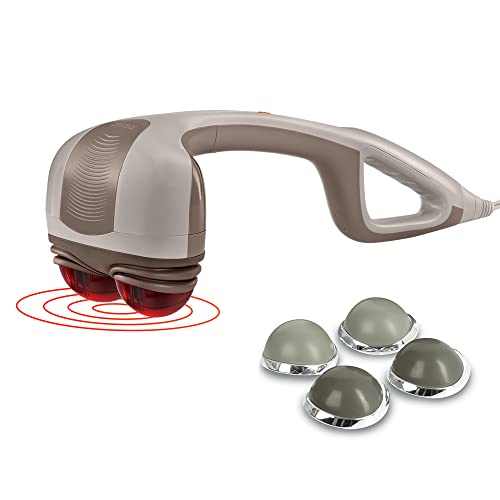
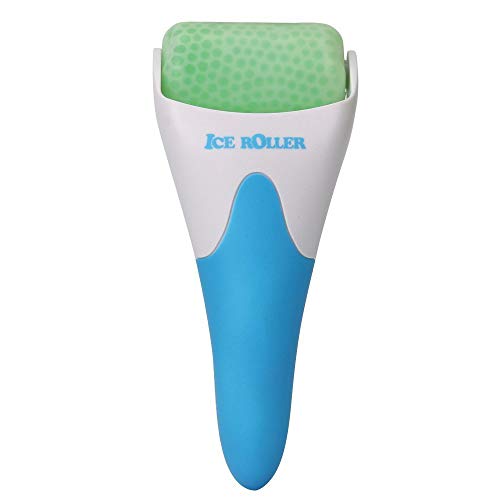
Massage roller Legs, arms 5–10 min Moderate Post-workout swelling

Sample Daily Lymphatic Drainage Routine (15 minutes)

This routine combines the most effective at-home techniques into a practical morning or evening protocol:

  1. Morning (before shower) — Dry brushing (5 min): Start at the feet, work upward with long sweeping strokes toward the heart. Brush calves, thighs, buttocks, abdomen (circular, clockwise), arms. Skip the face.
  2. Shower — Contrast water: End your shower with 30 seconds of cold water after hot. The temperature alternation causes blood and lymph vessels to alternately dilate and constrict, naturally pumping lymph.
  3. Post-shower — Facial gua sha (5 min): Apply a few drops of facial oil. Work the gua sha tool from forehead center outward, temples down to neck, chin along jaw to ear, under-eye inner corner outward. Very gentle pressure.
  4. Evening (optional) — Rebounding (10 min): 5 minutes of gentle health bouncing (feet barely leaving the mat) followed by 5 minutes of moderate bouncing. This is particularly effective before bed for clearing lymphatic accumulation from a sedentary workday.

Disclaimer: VitalGuide participates in the Amazon Associates program. This article contains affiliate links — we may earn a commission if you purchase through them, at no extra cost to you. The information in this article is educational and does not constitute medical advice. If you have lymphedema, a cancer diagnosis, active infection, or other medical conditions affecting the lymphatic system, consult a certified lymphedema therapist or physician before beginning lymphatic massage.

Frequently Asked Questions

Does lymphatic drainage really work?

Yes, for clinical populations and for healthy individuals experiencing fluid retention and puffiness. Manual Lymphatic Drainage is a clinically validated treatment for lymphedema, post-surgical swelling, and edema from venous insufficiency. For generally healthy people, lymphatic self-massage, dry brushing, and rebounding reliably reduce morning puffiness, abdominal bloating, and the subjective heaviness of fluid retention. The effects are real, though less dramatic than in clinical edema treatment.

What does lymphatic drainage feel like?

Professional MLD feels like very gentle, slow, rhythmic strokes — much lighter than a typical massage. You may feel mild warmth or tingling in the areas being worked. Some people feel slightly more alert afterward due to the immune activation effect. Feeling thirsty after lymphatic massage is common — drink plenty of water to support the clearance of released toxins and metabolic waste.

How often should I do lymphatic drainage?

For general wellness, daily practice (even 5–10 minutes) produces better results than occasional longer sessions. The lymphatic system benefits most from consistent, gentle daily stimulation rather than sporadic intensive massage. A simple daily routine (dry brushing, gua sha, gentle bouncing) takes 10–15 minutes and produces noticeable improvements in puffiness and energy within 1–2 weeks of consistency.

Can lymphatic drainage help with bloating?

Yes. Abdominal bloating often has a lymphatic component — particularly the puffiness that worsens with high sodium intake, sedentary days, long flights, or hormonal fluctuations. Clockwise abdominal massage (following the direction of colon motility), combined with diaphragmatic breathing and gentle whole-body movement, consistently reduces subjective and measurable abdominal distension. This works best for fluid-related bloating, not gas-related bloating from food intolerances.

Is lymphatic massage safe for everyone?

For generally healthy people, at-home lymphatic techniques are safe and gentle. However, avoid lymphatic massage if you have: active infection or fever (mobilizing lymph can spread infection), active malignancy (lymph node involvement needs physician guidance), deep vein thrombosis (risk of clot mobilization), congestive heart failure, or acute inflammation or injury in the area being worked. If you have lymphedema from cancer treatment, work with a certified lymphedema therapist rather than self-treating.

Related Articles

Browse all Wellness guides →

Get Weekly Wellness Tips

Join 50,000+ readers who get our weekly roundup of the best health products, deals, and evidence-based wellness advice.

👩‍⚕️

Reviewed by

Sarah Mitchell, MS, RDN

Sarah is a Registered Dietitian Nutritionist with a Master's in Nutritional Sciences and over 12 years of clinical experience. She leads VitalGuide's editorial review process, ensuring every recommendation reflects current scientific evidence.

View full profile →