Intermittent Fasting: The Complete Science-Backed Guide for 2026

By the VitalGuide Editorial Team ยท Last Updated: April 2026 ยท 15 min read

Intermittent fasting has moved from niche biohacking practice to one of the most widely adopted dietary approaches in the world โ€” and unlike many wellness trends, the science behind it is genuinely compelling. This guide covers what the research actually shows, which protocols have the best evidence, who benefits most, common mistakes that derail results, and what supplements are safe and helpful during fasting windows.

What Is Intermittent Fasting?

Intermittent fasting (IF) is a dietary pattern that cycles between periods of eating and fasting. Unlike traditional diets that focus on what you eat, IF focuses primarily on when you eat. The core principle is that restricting the window during which you consume calories triggers a cascade of metabolic adaptations that produce health benefits independent of โ€” and in addition to โ€” the caloric restriction that often accompanies it.

There are several distinct IF protocols, each with a different eating-to-fasting ratio, adherence profile, and evidence base.

The Main Intermittent Fasting Protocols

16:8 โ€” Time-Restricted Eating (Most Popular)

The 16:8 protocol involves fasting for 16 hours and eating within an 8-hour window each day. For most people this means skipping breakfast and eating from approximately noon to 8pm. It is the most widely practiced IF protocol because it is the easiest to sustain long-term โ€” most of the fasting occurs during sleep.

Evidence: Multiple RCTs have confirmed 16:8 TRE produces weight loss, improves fasting insulin, reduces blood pressure, and lowers inflammatory markers in both lean and overweight adults. A 2020 study in Cell Metabolism found 16:8 TRE in adults with metabolic syndrome reduced body weight, blood pressure, and atherogenic lipids over 12 weeks without calorie counting. A 2022 RCT in the New England Journal of Medicine found time-restricted eating and calorie restriction produced similar weight loss outcomes โ€” but TRE without explicit calorie counting achieved this through natural appetite reduction.

Best for: People who are not hungry in the morning, those with metabolic syndrome risk factors, and anyone looking for a sustainable long-term eating pattern without strict calorie counting.

5:2 โ€” The Modified Fast Protocol

The 5:2 protocol involves eating normally for 5 days per week and severely restricting calories to 500โ€“600 on 2 non-consecutive days. On fasting days, most people eat one small meal or split the 500 calories across two small meals.

Evidence: The 5:2 was popularized by Dr. Michael Mosley and has good clinical evidence behind it. Multiple trials have confirmed comparable weight loss and metabolic benefits to continuous calorie restriction. The primary advantage is that for some people, restricting eating to 2 days per week is psychologically easier than ongoing daily restriction. The primary challenge is that fasting days can be difficult and may affect cognition and energy if poorly managed.

Best for: People who prefer the flexibility of eating freely most days and can tolerate 2 very low-calorie days per week; those who have tried daily calorie restriction and struggled with adherence.

OMAD โ€” One Meal a Day

OMAD involves eating all daily calories in a single meal, typically within a 1-hour window, creating an approximately 23-hour fast. This is the most extreme commonly practiced IF protocol and requires careful attention to nutrient density โ€” eating enough protein, vitamins, and minerals in a single sitting.

Evidence: OMAD has less robust trial data than 16:8 or 5:2. The evidence that exists suggests significant weight loss and metabolic improvements, but adherence rates are lower and some trials have noted increases in LDL cholesterol with extreme caloric restriction timing. The 2022 TREAT trial found OMAD-like protocols did not outperform regular eating for body composition when protein intake was controlled.

Best for: Experienced fasters who have adapted to 16:8 and want to explore more extended fasting. Not recommended as a starting protocol. Requires careful nutrition planning to avoid muscle loss and micronutrient deficiencies.

The Metabolic Science: Why Fasting Works

Insulin Sensitivity

This is the most robust and replicated metabolic benefit of intermittent fasting. When you eat, insulin rises to shuttle glucose into cells. Chronically elevated insulin โ€” driven by frequent eating and processed carbohydrates โ€” leads to insulin resistance, the root of metabolic syndrome, type 2 diabetes, and much cardiovascular disease.

Extended fasting periods allow insulin to fall to basal levels, "resensitizing" muscle and liver cells to insulin's signal. Multiple meta-analyses confirm IF significantly reduces fasting insulin and improves HOMA-IR (a measure of insulin resistance) โ€” often more substantially than equivalent calorie restriction achieved through continuous restriction alone.

Autophagy Activation

Autophagy โ€” the cellular self-cleaning process discussed at length in our spermidine article โ€” is powerfully activated by fasting. When nutrients are scarce and insulin is low, the AMPK pathway activates and mTOR (the cellular "growth mode" sensor) is inhibited, signaling cells to shift from growth to maintenance mode. This triggers autophagy: clearing damaged proteins, dysfunctional organelles, and cellular debris.

The question of how long you need to fast to meaningfully activate autophagy remains under investigation. Current evidence suggests:

  • Some autophagy activation begins around 12โ€“14 hours of fasting
  • More substantial autophagy induction occurs after 18โ€“24 hours
  • Prolonged fasting (24โ€“72 hours) produces the most dramatic autophagy induction, but carries more practical challenges

This is one reason some practitioners who care primarily about autophagy (for longevity, cancer prevention, and neurodegeneration protection) gravitate toward longer fasting windows (18:6 or one or two 24-hour fasts per week) rather than 16:8.

Weight Loss: Mechanisms

IF produces weight loss primarily through two mechanisms: reduced caloric intake (most people naturally eat less when confined to a shorter eating window) and metabolic improvements that enhance fat oxidation. Most well-controlled studies find that when calories are matched, IF produces similar weight loss to continuous calorie restriction โ€” suggesting the timing effects provide some but not massive independent metabolic advantages.

Where IF clearly wins is adherence. For many people, restricting when to eat is significantly easier to sustain than restricting how much to eat. Long-term adherence is the single greatest predictor of dietary success, and IF's flexibility often beats continuous calorie counting for this reason.

Gut Health and the Microbiome

Emerging research suggests that the gut microbiome has circadian rhythms of its own, and that aligning eating with daylight hours โ€” a concept called circadian fasting โ€” optimizes these rhythms. Prolonged fasting periods give the gut lining time to repair (the intestinal cells undergo autophagy and renewal during fasting) and allow beneficial microbiome species to thrive. Studies in mice have shown that time-restricted feeding improves gut microbiome diversity independent of diet composition.

Who Benefits Most from Intermittent Fasting

IF is not appropriate for everyone. People who tend to benefit most:

  • Insulin-resistant or pre-diabetic adults โ€” the improvements in insulin sensitivity are most pronounced in this group
  • Overweight adults who find calorie counting unsustainable โ€” IF provides a structure that naturally limits intake without tracking every calorie
  • People with metabolic syndrome โ€” multiple trials have shown improvements across the entire cluster of risk factors
  • Those optimizing for longevity โ€” autophagy activation and IGF-1 reduction make IF attractive as a longevity intervention
  • Athletes who want to improve body composition โ€” IF can support fat loss while preserving lean mass when protein intake is adequate

Who Should Approach IF with Caution or Avoid It

  • People with a history of disordered eating โ€” restrictive eating patterns can trigger or exacerbate restrictive eating disorders. Consult a healthcare provider before starting.
  • Pregnant or breastfeeding women โ€” increased nutrient demands make extended fasting inadvisable during pregnancy and lactation
  • People with type 1 diabetes โ€” fasting requires careful medical supervision to avoid hypoglycemia in insulin-dependent diabetes
  • People on medications requiring food โ€” certain medications must be taken with food; consult your prescriber
  • Those with a history of hypoglycemia

Supplements During Fasting: What Breaks a Fast and What Doesn't

A commonly asked question: which supplements are safe to take during a fasting window without breaking the fast or disrupting metabolic benefits?

These Do NOT Break a Fast:

  • Black coffee: Zero calories, does not raise insulin. Caffeine may actually enhance autophagy and fat oxidation during fasting. One of the most helpful fasting aids for hunger management.
  • Plain sparkling or still water: Essential for hydration; stays in the fasting window
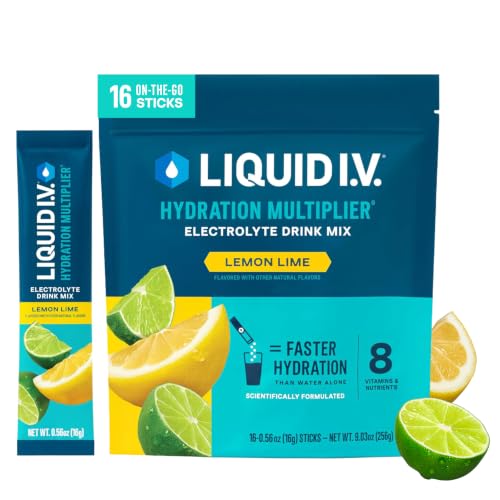
  • Electrolytes (without sugar or calories): Sodium, potassium, and magnesium replacement during extended fasts is important and does not break a metabolic fast. Look for electrolytes with zero calories and no sugar.
  • Plain green or herbal tea: Negligible calories; the polyphenols may support fasting-induced autophagy
  • Fat-soluble vitamins (A, D, E, K) with a small amount of healthy fat: Some practitioners take these with a teaspoon of MCT oil, which produces minimal insulin response

These Break a Fast (Avoid in the Fasting Window):

  • Any supplement with calories: protein powder, BCAAs, gummy vitamins, fish oil (some argue small amounts are acceptable โ€” it's context-dependent)
  • Any sweetened beverage, even zero-calorie sweeteners remain debated (some research suggests certain artificial sweeteners produce an insulin response)
  • Collagen protein, bone broth, or any amino acid-containing supplement

Electrolytes: Essential for Extended Fasting

As fasting extends beyond 16โ€“18 hours, maintaining electrolyte levels becomes increasingly important. Insulin levels drop during fasting, which increases urinary excretion of sodium and (consequently) potassium and magnesium. This is responsible for many common fasting symptoms: headaches, fatigue, muscle cramps, and dizziness โ€” often misattributed to hunger or "detox" but actually simple electrolyte depletion.

LMNT's electrolyte packets contain zero sugar and zero calories โ€” making them suitable for the fasting window. The formulation (1000mg sodium, 200mg potassium, 60mg magnesium) is specifically designed to replace what is lost during fasting and low-carbohydrate eating. Many people find their fasting side effects completely resolve after starting electrolyte supplementation.

Magnesium During Fasting

Magnesium deficiency is particularly common during fasting and can significantly worsen hunger, irritability, and sleep quality. Magnesium glycinate is ideal for fasting โ€” it can be taken in the fasting window (no calories) and supports the relaxation and sleep quality that extended fasting can disrupt.

Magnesium glycinate is absorbed without food and produces no insulin response. 200โ€“400mg taken in the evening during the fasting window supports sleep quality, reduces anxiety, and prevents cramps. Widely available from Thorne, Pure Encapsulations, and Doctor's Best.

Quality Coffee for Fasting

Black coffee is one of the most powerful tools for managing hunger during a fasting window. Caffeine suppresses appetite, enhances fat oxidation, and may amplify some fasting-induced metabolic benefits. Quality matters more when drinking black coffee โ€” any bitterness from poor roasting or staleness becomes much more apparent without milk or sugar.

Look for organic, mold-tested whole bean coffee roasted for low acidity โ€” particularly important when drinking black coffee on an empty stomach. Brands like Purity Coffee, LifeBoost, and Bulletproof test for mycotoxins and use high-quality sourcing. Grinding whole beans fresh produces a markedly better cup than pre-ground options.

Common Intermittent Fasting Mistakes

  • Using the eating window as license to binge: IF works by creating a modest caloric deficit through appetite regulation. If you eat hypercalorically in your eating window, you will not lose weight regardless of the fasting period.
  • Eating poor-quality food in the eating window: IF is an eating schedule, not a diet. The quality of what you eat still matters enormously for health outcomes beyond weight.
  • Breaking the fast with processed food or sugar: After a fasting period, insulin sensitivity is enhanced โ€” meaning the first foods you eat have amplified metabolic effects. Breaking a fast with a bowl of oatmeal, eggs, or a protein shake is very different from breaking it with a cinnamon roll.
  • Not eating enough protein: The most common mistake that causes muscle loss during IF. Aim for at least 0.7g protein per pound of bodyweight, distributed across your eating window.
  • Trying OMAD or 5:2 as a first protocol: Start with 12:12, adapt for 2โ€“4 weeks, progress to 14:10, then 16:8. Jumping straight to extended fasting protocols leads to miserable experiences and abandonment.
  • Not managing electrolytes: Most fasting side effects (headaches, fatigue, irritability) are electrolyte issues, not hunger. Address them with salt and electrolyte supplements before giving up.

Combining Intermittent Fasting with Exercise

Training in a fasted state is a frequently debated topic. The research suggests:

  • For endurance training, fasted sessions can improve fat oxidation capacity over time, though performance in longer sessions may suffer without carbohydrate availability
  • For strength training, fasted resistance training is not harmful to muscle protein synthesis if total daily protein is adequate, but some people find performance is reduced. Experiment to find what works for your body.
  • The most practical approach for most people: do your training session shortly before breaking your fast, then immediately eat your protein-rich meal post-workout

The Bottom Line on Intermittent Fasting

Intermittent fasting is a genuinely evidence-backed approach with meaningful metabolic benefits โ€” particularly for insulin sensitivity, autophagy activation, and sustainable weight management. It is not magic, and it is not superior to other dietary approaches that create the same caloric deficit with the same protein intake. But for many people, it is the most sustainable and psychologically manageable way to achieve those outcomes.

Start conservatively with 12:12 or 14:10, manage your electrolytes, prioritize protein quality in your eating window, and allow 4โ€“8 weeks of adaptation before evaluating results. Most side effects disappear after the first 2 weeks as the body adapts to using fat as its primary fasting fuel.

Disclaimer: VitalGuide participates in the Amazon Associates program. Links to Amazon products on this page are affiliate links โ€” we may earn a commission if you purchase through them, at no extra cost to you. This article is for educational purposes only. Intermittent fasting is not appropriate for everyone. Consult your healthcare provider before starting any fasting protocol, particularly if you have diabetes, are pregnant, or have a history of eating disorders.

Related Articles

Browse all Wellness guides →

๐Ÿฉบ

Reviewed by

Sarah Mitchell, MS, RDN

Sarah Mitchell is a Registered Dietitian Nutritionist (RDN) with a Master's in Nutritional Sciences. With over a decade of experience evaluating clinical research on supplements, diet, and functional health, she leads VitalGuide's editorial review process to ensure all content reflects current evidence and best practices.

Get Weekly Wellness Tips

Join 50,000+ readers who get our weekly roundup of the best health products, deals, and evidence-based wellness advice.