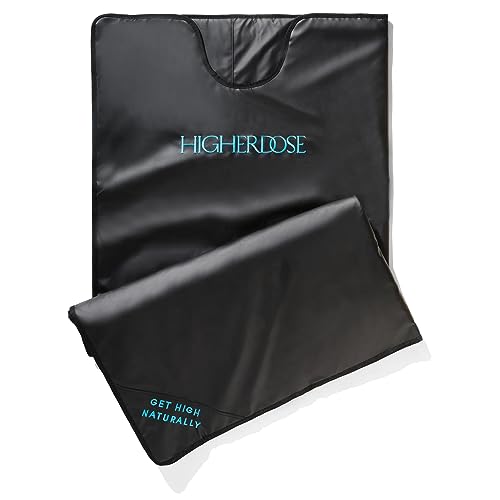
Traditional saunas are a fixture of Nordic culture and high-end gyms β but building one at home requires significant construction, a dedicated room, and thousands of dollars in installation costs. For most people, regular sauna access means scheduling gym visits or booking wellness retreats. Infrared sauna blankets have changed that equation. These portable devices deliver far-infrared heat directly to the body, producing the deep sweating, elevated heart rate, and post-session relaxation associated with traditional sauna use β without the room, the renovation, or the recurring membership fee.
Their popularity has exploded in recent years, driven by celebrity endorsements, a growing body of sauna research, and the broader biohacking movement. Athletes use them for recovery. Wellness devotees swear by the detox and mood benefits. And an increasing number of everyday users are incorporating them into weekly routines as an accessible form of heat therapy. This guide explains how infrared sauna blankets work, what the research actually says about their benefits, what to watch out for, and which models are worth your money in 2026.
How Infrared Sauna Blankets Work
To understand infrared sauna blankets, it helps to understand how infrared heat differs from conventional heat. Traditional steam and dry saunas work by heating the surrounding air, which then transfers heat to your skin and body. Infrared blankets work differently: they emit far-infrared (FIR) radiation β electromagnetic waves in the 5β15 micron wavelength range β that are absorbed directly by body tissue without needing to heat the air around you.
Far-infrared radiation penetrates approximately 2β3 centimeters below the skin surface, heating tissues, muscles, and blood vessels from within rather than from the outside in. This direct tissue heating is what proponents argue makes FIR more efficient at inducing deep sweating at lower ambient temperatures compared to traditional saunas.
- Temperature range: Infrared sauna blankets typically operate between 77Β°F and 185Β°F (25β85Β°C), significantly lower than the 180β200Β°F (82β93Β°C) ambient temperatures of traditional Finnish saunas.
- Session duration: Most manufacturers and users recommend sessions of 30β45 minutes, starting at lower temperatures and working up as tolerance develops.
- Construction: Quality blankets use multiple layers: a waterproof outer shell, an insulating layer, far-infrared heating elements (typically carbon fiber or amorphous carbon), and a body-contact inner lining. Better models incorporate EMF shielding to reduce electromagnetic field exposure from the heating elements.
The result is a sustained heat exposure that elevates core body temperature, induces significant sweating, and mimics many of the physiological responses that occur in a traditional sauna β just in a device that rolls up and stores in a closet.
Evidence-Based Benefits of Infrared Sauna Use
Most of the clinical research on sauna benefits has been conducted using traditional saunas rather than infrared blankets specifically. However, given that the core mechanism β sustained elevation of core body temperature β is shared between both modalities, researchers and practitioners generally consider the physiological benefits comparable, with some nuance.
Cardiovascular Health
The cardiovascular benefits of regular sauna use are among the best-documented in the literature. A landmark Finnish cohort study published in JAMA Internal Medicine (Laukkanen et al., 2015) followed over 2,000 middle-aged men for more than 20 years and found that those who used the sauna 4β7 times per week had a 63% lower risk of sudden cardiac death compared to once-weekly users. The mechanisms underlying this effect include:
- Improved endothelial function: Heat exposure stimulates nitric oxide production and improves the ability of blood vessels to dilate, a key marker of cardiovascular health.
- Reduced blood pressure: Multiple studies document short-term blood pressure reductions following sauna use; with regular sessions, these effects may compound over time.
- Heat acclimation: Repeated heat exposure improves the cardiovascular system's efficiency at managing thermal load, increasing plasma volume and improving cardiac output.
- Passive cardio analog: During a sauna session, heart rate typically rises to 100β150 bpm β comparable to moderate-intensity aerobic exercise β providing a cardiovascular stimulus for those with limited exercise capacity.
Athletic Recovery
Heat therapy is increasingly integrated into elite athletic recovery protocols, and the science supports it. The primary mechanisms involve heat shock proteins (HSPs) β a family of proteins produced in response to elevated temperature that play a critical role in cellular repair, protein refolding, and protection against oxidative damage.
- Heat shock proteins (HSPs): Post-exercise sauna use upregulates HSP70 and HSP90, which support muscle fiber repair and reduce cellular damage from intense training.
- Reduced delayed-onset muscle soreness (DOMS): Studies on post-exercise heat immersion and sauna use consistently show reduced DOMS severity and faster return to full training capacity.
- Muscle relaxation: Elevated tissue temperature reduces muscle stiffness and improves extensibility of connective tissue, making sauna sessions a useful complement to stretching and mobility work.
- Growth hormone pulse: Some research suggests that intense sauna sessions (two 20-minute sessions separated by a 30-minute cool-down) can transiently increase growth hormone levels β though the magnitude and practical significance of this effect remain debated.
Detoxification
Sweating is often cited as a detoxification mechanism in sauna marketing, and there is some legitimate basis for this claim β with important caveats. Sweat does contain trace amounts of heavy metals (lead, cadmium, arsenic) and some environmental chemicals (BPA, phthalates), and infrared sauna use reliably induces profuse sweating. Some studies have measured meaningful concentrations of these compounds in sweat following sauna sessions.
However, it's important to be clear: the kidneys and liver do the overwhelming majority of the body's detoxification work. Sweat-based elimination of toxins is a secondary pathway, and its contribution to total toxic burden reduction is modest. Claims that sauna use can "detox" the body from drugs, alcohol, or major toxin exposures in any clinically meaningful way are overstated. That said, as a complementary practice supporting overall elimination, regular sweating has a legitimate β if modest β role.
Mental Wellness and Mood
The post-sauna state β relaxed, calm, slightly euphoric β is one of the most reliably reported and subjectively compelling effects. Several mechanisms contribute:
- Parasympathetic activation: As core temperature rises and then falls after a session, the autonomic nervous system shifts toward parasympathetic dominance ("rest and digest"), reducing the stress response and promoting a calm, relaxed state.
- Endorphin and dynorphin release: Heat stress triggers endogenous opioid release. Interestingly, dynorphin β which causes the initial discomfort of heat β subsequently upregulates mu-opioid receptors, potentially contributing to the long-lasting mood benefits reported by regular sauna users.
- Improved sleep quality: The post-sauna temperature drop that occurs as the body cools accelerates the normal sleep-onset temperature decrease, and multiple studies link regular sauna use with improved sleep quality and reduced sleep latency.
Weight and Body Composition (An Honest Assessment)
Sauna blankets will cause you to lose weight during a session β typically 0.5β1.5 kg depending on session duration and individual sweat rate. This weight loss is entirely water loss through sweat and is fully reversed once you rehydrate. There is no credible evidence that infrared sauna use causes meaningful fat loss. Caloric expenditure during a 45-minute session is modest (roughly 100β300 kcal, primarily from the cardiac workload) and is easily offset at the next meal. Infrared sauna blankets should not be purchased or marketed as a weight loss tool. Their genuine value lies in the cardiovascular, recovery, and mental wellness benefits described above.
Infrared Sauna Blanket vs. Traditional Sauna
Both modalities deliver heat therapy, but there are meaningful differences worth understanding before choosing.
- Temperature: Traditional saunas reach 180β200Β°F ambient air temperature; infrared blankets typically operate at 130β160Β°F skin-contact temperature. The lower ambient temperature of infrared blankets is easier to tolerate, especially for beginners.
- EMF exposure: Infrared blankets use electrical heating elements that emit electromagnetic fields. This is a legitimate consideration β look specifically for models tested and marketed as "low EMF," ideally with published third-party EMF testing data. Premium brands like HigherDOSE publish their EMF test results.
- Convenience: Blankets win decisively on convenience. A traditional sauna requires 15β30 minutes of warm-up time, a dedicated room, and significant upfront cost ($3,000β$10,000+). A blanket is ready in 10 minutes, stores in a bag, and costs $150β$600.
- Experience: Traditional sauna β especially a wood-fired Finnish sauna with lΓΆyly (steam from water on hot rocks) β offers an immersive, full-body sensory experience that a blanket cannot replicate. The social and cultural dimensions of sauna use are also absent with a blanket.
- Full-body coverage: Traditional saunas heat the entire body including the head and face. Blankets envelop the torso and limbs but leave the head exposed, which some users prefer and others find limits the experience.
Safety Considerations
Infrared sauna blankets are safe for most healthy adults when used correctly, but several precautions are non-negotiable:
- Hydration is critical: Drink 16β24 oz of water before every session and rehydrate thoroughly afterward. Dehydration is the most common adverse effect and the easiest to prevent. Electrolyte replacement (sodium, potassium, magnesium) is advisable if you sweat heavily.
- Avoid alcohol: Using a sauna blanket while intoxicated significantly increases the risk of overheating, dehydration, and cardiovascular stress. Never combine alcohol and heat therapy.
- Do not exceed recommended time: Start with 20-minute sessions at lower temperatures and work up gradually. Exceeding 45β60 minutes in a single session without experience is inadvisable.
- Pregnancy is contraindicated: Elevated core body temperature during pregnancy is associated with neural tube defects and other fetal complications. Pregnant women should not use infrared sauna blankets.
- Heart conditions require medical clearance: People with heart disease, uncontrolled hypertension, arrhythmias, or a recent cardiac event should consult their physician before using any form of heat therapy. While sauna use is associated with cardiovascular benefit in healthy populations, acute heat stress places additional demand on the heart.
- Skin conditions: Those with conditions aggravated by heat (rosacea, certain inflammatory skin conditions) should exercise caution and monitor their skin's response.
How to Use an Infrared Sauna Blanket
Getting the most from your infrared sauna blanket requires some preparation and a consistent routine.
Pre-Session
- Drink 16β24 oz of water at least 20 minutes before your session.
- Lay the blanket flat on a bed, sofa, or floor β anywhere you can lie comfortably for 30β45 minutes.
- Preheat the blanket to your target temperature (start at a lower setting, around level 3β4 of 9, for your first few sessions).
What to Wear
- Avoid synthetic fabrics (polyester, nylon) inside the blanket β they trap heat unevenly and can become uncomfortable. Opt for light cotton or athletic wear made from natural fibers.
- Long sleeves and pants are recommended to create a barrier between your skin and the blanket's inner lining, both for hygiene and comfort.
- Bring a small towel or sweat rag for your face and neck, which remain outside the blanket.
During Your Session
- Relax, listen to music, a podcast, or a meditation β this is an ideal time to decompress.
- If you feel lightheaded, overheated, or uncomfortable at any point, exit the blanket immediately and cool down.
- Keep a water bottle accessible to sip during the session.
Post-Session
- Allow your body temperature to normalize for 10β15 minutes before showering β a cool or lukewarm shower is preferable to an immediately cold shower for most users.
- Rehydrate with water and electrolytes. A banana and a pinch of sea salt in your water is a simple electrolyte replenishment strategy.
- Wipe down the interior of the blanket with a damp cloth or gentle disinfectant after each use. Many blankets come with removable, washable inner liners.
Best Infrared Sauna Blankets: 2026 Reviews
1. HigherDOSE Infrared Sauna Blanket V3
Best Premium Sauna Blanket
HigherDOSE is the brand that put infrared sauna blankets on the mainstream wellness map, and the V3 remains the gold standard for consumer-grade home heat therapy. The blanket layers amorphous carbon and tourmaline (a naturally infrared-emitting mineral) with a charcoal layer that the company claims further purifies air within the blanket during sessions. The inner lining is non-toxic PU leather for easy cleaning. Most importantly, HigherDOSE publishes third-party EMF testing data showing low EMF output β a key differentiator in this category where many competitors make similar claims without documentation.
Pros: Industry-leading brand reputation, published low-EMF testing, multi-layer construction with tourmaline and charcoal, durable and well-made, strong customer support and warranty.
Cons: Premium pricing makes it the most expensive blanket in this roundup; some users find the PU interior warmer than cotton-lined alternatives.
Best for: Serious heat therapy enthusiasts who want the best available product and the peace of mind of documented low-EMF performance.
2. MiHIGH Infrared Sauna Blanket
Best Mid-Range Sauna Blanket
MiHIGH is HigherDOSE's closest competitor and, for many users, the smarter buy. The blanket delivers comparable far-infrared heat output at a meaningfully lower price point. It uses a nano carbon heating element, reaches temperatures up to 176Β°F, and comes with a compact travel case that makes it the most portable option in this roundup. MiHIGH also publishes EMF test data and uses a non-toxic inner lining. The app-connected controller is a premium touch, allowing precise temperature control from your phone rather than fumbling with an in-line dial.
Pros: Excellent value relative to HigherDOSE, app-connected temperature control, compact travel case included, documented low-EMF output, good build quality for the price.
Cons: The app connectivity, while convenient, requires a working Bluetooth connection; some users report occasional connectivity issues. Not quite the same brand cachet as HigherDOSE if that matters to you.
Best for: Users who want near-premium performance without the premium price, and especially those who travel frequently and want to bring their blanket along.
3. SereneLife Portable Infrared Home Spa
Best Budget Sauna Blanket
SereneLife occupies the accessible end of the infrared sauna blanket market, and it delivers a competent heat therapy experience at a fraction of the cost of premium models. The blanket reaches temperatures up to 185Β°F and includes a hand-control unit with a digital display for easy temperature and timer management. It's a no-frills device β don't expect boutique construction or published EMF data β but for users who simply want to explore heat therapy without a large upfront commitment, it's a sensible starting point.
Pros: Significantly lower price than premium alternatives, reaches high temperatures, simple operation, widely available and well-reviewed for the price category.
Cons: No published EMF testing data; build quality and durability are noticeably lower than HigherDOSE or MiHIGH; the inner lining material is less premium and may feel warmer and less breathable during long sessions.
Best for: First-time buyers, curious experimenters, and anyone who wants to trial infrared sauna therapy before investing in a premium model.
The Bottom Line
Infrared sauna blankets are a genuinely useful wellness tool β not a gimmick, not a miracle device. The underlying science of heat therapy is solid, the cardiovascular and recovery benefits are well-documented in traditional sauna literature, and the convenience advantage over conventional saunas is enormous. If you are an athlete looking for recovery support, someone with high stress levels seeking a reliable relaxation practice, or simply someone who wants to incorporate regular heat therapy into a home wellness routine, a sauna blanket is worth the investment.
Buy the HigherDOSE V3 if you want the best and have the budget. Choose MiHIGH if you want near-equivalent performance at a better price. Start with SereneLife if you're not yet sure heat therapy is for you. Whatever model you choose, use it consistently β like most wellness practices, the benefits of sauna therapy accumulate with regular, sustained use rather than occasional sessions.
Disclaimer: VitalGuide participates in the Amazon Associates program. Links to Amazon products on this page are affiliate links β we may earn a commission if you purchase through them, at no extra cost to you. This article is for educational purposes only and should not be construed as medical advice. Consult your healthcare provider before beginning any new heat therapy regimen, particularly if you have a pre-existing medical condition.