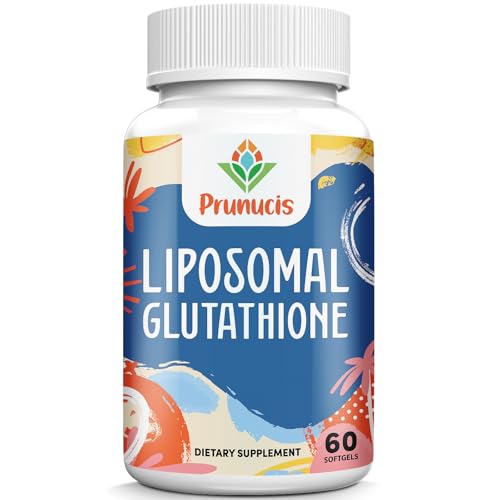
What Is Glutathione?
Glutathione (GSH) is a tripeptide — composed of glutamate, cysteine, and glycine — produced in virtually every cell of the body. It is the most abundant intracellular antioxidant in humans and serves as the primary regulator of oxidative stress, a master controller of the immune system, and an essential cofactor in detoxification of drugs, heavy metals, and environmental pollutants.
Unlike most dietary antioxidants, glutathione operates inside cells — not in the bloodstream — which is precisely why supplementing it is so difficult. The gut and bloodstream degrade most oral glutathione before it can reach the intracellular environment where it works.
Glutathione exists in two forms: reduced glutathione (GSH) — the active antioxidant form — and oxidized glutathione (GSSG), which forms when GSH donates electrons to neutralize free radicals. The ratio of GSH to GSSG is one of the best biomarkers of oxidative stress in the body.
Why Glutathione Declines
The body synthesizes glutathione continuously — but synthesis can be outpaced by depletion under many circumstances:
- Aging: Intracellular GSH levels fall approximately 1% per year after age 30; by age 60, most people have 30–50% lower glutathione than they did at 20
- Chronic illness: Cancer, HIV, diabetes, autoimmune conditions, and liver disease are all associated with severe glutathione depletion
- Alcohol consumption: Alcohol metabolism depletes hepatic glutathione directly, which is why alcoholic liver disease is characterized by profound GSH deficiency
- Environmental toxin exposure: Heavy metals, pesticides, air pollution, and mold toxins all consume glutathione in detoxification
- Intense exercise: Creates transient oxidative stress and short-term GSH depletion (though exercise training adaptively upregulates glutathione synthesis)
- Poor diet: Low intake of cysteine-rich foods (the rate-limiting amino acid for glutathione synthesis), glycine, and selenium (required for glutathione peroxidase activity)
The Absorption Problem with Standard Oral Glutathione
For decades, direct glutathione supplementation was considered largely futile. A pivotal 1992 study in the European Journal of Clinical Pharmacology found that a single 3,000 mg oral dose of glutathione produced no increase in blood glutathione whatsoever — it was completely degraded by intestinal peptidases before absorption.
This gave rise to the conventional wisdom that glutathione must be supplemented via precursors (primarily NAC) rather than directly. That conventional wisdom has been partially revised by newer research on advanced delivery forms — but it remains substantially true for standard reduced glutathione capsules, which most supplement brands still sell.
Delivery Forms: What Actually Works
Standard Reduced Glutathione (Oral)
The cheapest and most widely sold form. Despite the historical evidence that it's poorly absorbed, newer studies — particularly a 2015 randomized controlled trial in the European Journal of Nutrition — found that 250–1,000 mg/day of reduced glutathione taken for 6 months did produce a meaningful increase in red blood cell glutathione levels (+30–35%). The discrepancy may reflect differences in study duration (acute vs chronic dosing), dose, or the specific glutathione source. The key takeaway: it's not completely useless, but it's the least efficient form.
Liposomal Glutathione
Encapsulating glutathione in phospholipid liposomes protects it from GI degradation and allows absorption through the lymphatic system — the same mechanism that works for liposomal vitamin C. Studies show liposomal forms increase blood and tissue glutathione more effectively than unencapsulated forms at equivalent doses. A 2018 randomized crossover trial found liposomal glutathione increased lymphocyte GSH levels and reduced oxidative stress markers significantly better than standard oral GSH. Currently the best evidence-backed oral form for direct glutathione supplementation.
S-Acetyl Glutathione
S-acetyl glutathione is a chemically modified form where an acetyl group is attached to the sulfur of the cysteine residue. This modification makes the molecule more lipid-soluble and resistant to GI degradation — it passes through the intestinal wall intact and is deacetylated inside cells to regenerate active GSH. Several studies show it raises plasma and intracellular glutathione more effectively than standard GSH. Still relatively expensive and with a smaller evidence base than liposomal.
N-Acetyl Cysteine (NAC) — The Precursor Approach
Rather than supplementing glutathione directly, NAC provides cysteine — the rate-limiting amino acid in glutathione synthesis — in a stable, bioavailable form. The liver converts NAC to cysteine, which is then used to synthesize glutathione endogenously. This approach works with the body's own regulatory mechanisms rather than trying to bypass them.
NAC is so effective at raising glutathione that it's the standard medical treatment for acetaminophen (Tylenol) overdose — which depletes hepatic GSH rapidly and fatally. At supplemental doses (600–1,800 mg/day), NAC has robust clinical evidence for respiratory health, liver protection, OCD, addiction recovery, and brain health.
The downside of NAC-only approaches: because the body tightly regulates glutathione synthesis, simply providing more cysteine may not raise GSH above normal levels in already-healthy individuals — it primarily restores depleted levels to normal rather than exceeding them.
Glycine Supplementation
A 2022 study in Nature Metabolism found that supplementing glycine + NAC together (called GlyNAC) in older adults dramatically raised glutathione levels, improved mitochondrial function, reduced inflammation, and improved multiple markers of metabolic health. Glycine is the third amino acid in glutathione (alongside glutamate and cysteine) and is also rate-limiting in older adults. Combining glycine and NAC addresses two of the three building blocks simultaneously and has become one of the most promising interventions for age-related glutathione decline.
What Clinical Evidence Shows Glutathione Does
Liver Health and Detoxification
The strongest and most established application. The liver is the primary site of glutathione synthesis and activity. Studies show glutathione supplementation or NAC (raising GSH) protects against drug-induced liver injury, non-alcoholic fatty liver disease (NAFLD), and alcoholic liver damage. A 2017 RCT found intravenous glutathione significantly improved liver enzyme levels in NAFLD patients; oral supplementation studies show more modest but real effects.
Skin Lightening and Melanin Regulation
One of the most commercially marketed applications of glutathione — particularly in Asian markets. GSH inhibits tyrosinase (the enzyme that produces melanin) and shifts melanin production from eumelanin (dark) to phaeomelanin (lighter). Multiple RCTs confirm that oral or IV glutathione reduces skin pigmentation. This mechanism is well-established; the ethics and cultural context of skin lightening supplementation is a separate discussion.
Immune Function
T-cells and NK cells require adequate glutathione for proliferation and cytokine signaling. GSH depletion impairs immune function significantly; raising GSH in depleted individuals restores normal immune activity. In healthy individuals with normal GSH levels, additional supplementation has more modest effects.
Mitochondrial Function
Mitochondria are the primary sites of reactive oxygen species generation. Mitochondrial glutathione (mGSH) — a distinct pool from cytosolic GSH — is particularly critical for cellular energy production. Age-related decline in mGSH is linked to mitochondrial dysfunction and metabolic disease. GlyNAC supplementation (described above) has shown dramatic improvements in mitochondrial biogenesis markers in elderly humans.
Athletic Recovery
Intense exercise depletes GSH transiently. Supplementation during heavy training blocks has been shown to reduce markers of muscle oxidative damage (lipid peroxidation) and modestly accelerate recovery between sessions. The effect is more pronounced in untrained individuals and less significant in well-conditioned athletes who have adapted higher endogenous GSH production.
Dosing Recommendations
- Liposomal glutathione: 250–500 mg/day; take on empty stomach for best absorption
- S-acetyl glutathione: 100–300 mg/day (more potent per mg than standard GSH)
- Standard oral reduced glutathione: 500–1,000 mg/day if using this form (lower confidence in effect)
- NAC (precursor approach): 600–1,800 mg/day in divided doses
- GlyNAC (optimal for aging-related decline): NAC 100 mg/kg + glycine 100 mg/kg daily (approximately 7 g each for a 70 kg adult) — the protocol used in the 2022 Nature Metabolism study
Best Glutathione Supplements (2026)
Quicksilver Scientific Liposomal Glutathione
Editor's Pick — Best LiposomalQuicksilver Scientific specializes in liposomal delivery technology and produces what many researchers consider the gold standard consumer liposomal glutathione. Their EDTA-free phospholipid formulation creates very small unilamellar vesicles (under 100 nm) that penetrate GI barrier efficiently. Third-party tested for phospholipid concentration and glutathione potency. 200 mg per pump dose in a liquid format for sublingual delivery — sublingual absorption bypasses gut degradation entirely. Expensive but backed by the strongest delivery technology available.
Check Price on AmazonJarrow Formulas Reduced Glutathione 500mg
Best Standard Form — ValueFor those preferring capsule form at a reasonable price point, Jarrow's reduced glutathione is one of the most consistently third-party verified standard oral glutathione products. Produced under GMP certification with confirmed potency testing. While standard oral glutathione has lower bioavailability than liposomal or S-acetyl forms, Jarrow's quality control ensures you're at least getting what's on the label — which cannot be said for many cheaper brands. A solid choice for general antioxidant support with dietary fat to improve absorption.
Check Price on AmazonThorne NAC (N-Acetyl Cysteine)
Best Precursor ApproachFor most people, supplementing NAC to support endogenous glutathione synthesis is more cost-effective and physiologically sound than direct glutathione supplementation. Thorne's NAC provides 500 mg per capsule of pharmaceutical-grade N-acetyl cysteine with no unnecessary fillers. NSF Certified for Sport. Stack with glycine (Thorne also makes a glycine powder) for the GlyNAC protocol that showed dramatic results in aging research. This combination is one of the most evidence-backed approaches to restoring age-related glutathione decline.
Check Price on AmazonNAC vs Direct Glutathione: Which Strategy?
For most healthy people under 40 with adequate dietary cysteine (meat, eggs, legumes), NAC is the better value — it's cheaper, better-studied, and works with the body's own synthesis machinery. For older adults (50+) where both cysteine and glycine availability may limit synthesis, adding both NAC and glycine addresses the actual rate-limiting factors. For acute liver protection needs (post-drinking, medication burden, toxin exposure), liposomal glutathione may provide faster and more direct benefit. For skin brightening applications specifically, liposomal or IV glutathione has more evidence than NAC alone.
Safety
Glutathione is remarkably safe with no established toxic dose in humans. NAC at doses above 1,800 mg/day can cause nausea, vomiting, and GI upset in some individuals. NAC may interact with nitroglycerin and activated charcoal. One theoretical concern: very high GSH in tumor microenvironments may protect cancer cells from oxidative stress — those undergoing chemotherapy should consult their oncologist before supplementing either glutathione or NAC.
The Bottom Line
Glutathione is genuinely important — declining levels with age and under chronic stress are real phenomena with real health consequences. The best supplementation strategy depends on your goal: NAC + glycine for systematic elevation of endogenous production, liposomal glutathione for direct and rapid elevation, and standard oral glutathione as a budget option with lower confidence. Avoid the cheapest standard GSH capsules from unknown brands — poor-quality products won't survive gut digestion regardless of form.