The wellness world has been talking about cold plunge therapy and sauna separately for years. But in 2025–2026, a growing number of athletes, biohackers, and wellness practitioners have discovered what Scandinavian cultures have known for centuries: the combination of heat and cold — applied in deliberate alternating cycles — may be more powerful than either alone. This is contrast therapy, and it is having a significant cultural and commercial moment.
Dedicated contrast therapy facilities are opening across North America and Europe. Home sauna and cold plunge combinations are among the fastest-growing categories in outdoor wellness equipment. Elite sports teams from the NFL to the NBA use contrast therapy as a standard recovery protocol. And the science — while still developing for some specific claims — provides a compelling mechanistic basis for why alternating thermal stress creates physiological responses that neither heat nor cold alone can fully replicate.
This guide covers what contrast therapy is, how it works physiologically, what the evidence shows for recovery and wellness applications, the optimal protocol, who benefits most, who should avoid it, and the best equipment for building a home contrast therapy setup in 2026.
Quick Protocol Reference
- Heat phase: Sauna at 80–100°C (176–212°F) for 10–20 minutes
- Cold phase: Cold plunge at 10–15°C (50–59°F) for 2–5 minutes
- Cycles: 2–4 alternating cycles per session
- End on: Cold (for recovery) or warm (for relaxation/sleep)
- Frequency: 2–4 sessions per week for recovery; up to daily for wellness
- Contraindications: Cardiovascular disease, pregnancy, Raynaud's — consult physician
What Is Contrast Therapy?
Contrast therapy (also called contrast water therapy, hot-cold therapy, or Scandinavian contrast bathing) involves alternating exposures to heat and cold in deliberate cycles. In its most popular modern form, this means cycling between a sauna and a cold plunge (or cold shower). The clinical version may use heated and cooled water baths. The traditional Finnish or Nordic form alternates sauna with rolling in snow or jumping in a cold lake.
The fundamental mechanism is vascular: heat dilates blood vessels (vasodilation), driving blood toward the skin surface and periphery, while cold causes vasoconstriction, pushing blood back toward the body's core. Alternating between the two creates a rhythmic pumping action in the vascular system — sometimes described as a "vascular pump" or "vascular exercise" — that has several downstream physiological effects relevant to recovery, inflammation management, and wellbeing.
The Science: What Happens in Your Body
The Vascular Pump Effect
When you enter a sauna, your body responds to heat stress by dilating peripheral blood vessels to increase surface blood flow — the mechanism by which heat is dissipated through sweat. Blood pools in the skin and periphery. Core temperature rises. Heart rate increases. Sweat begins.
When you transition to cold water, the opposite occurs: peripheral vasoconstriction drives blood rapidly back to the core to protect vital organs. The cold also triggers the release of norepinephrine — a key neurotransmitter and hormone — by 200–300% above baseline, producing acute mood elevation, alertness, and anti-inflammatory effects.
The cycling of vasodilation and vasoconstriction creates a flushing effect on the peripheral vasculature and muscles: blood and lymph fluid are alternately pushed out and drawn back into muscles and connective tissue with each thermal transition. This vascular pump effect accelerates the removal of metabolic waste products (lactate, cytokines, prostaglandins) from muscle tissue, while simultaneously delivering fresh oxygenated blood and nutrients.
Inflammation Modulation
Both heat and cold individually modulate inflammatory pathways, though through different mechanisms. Heat stress upregulates heat shock proteins (HSPs) — protective molecular chaperones that help repair damaged proteins and protect cells from further damage. HSP expression in response to sauna use is well-documented and appears to be a key mechanism behind sauna's protective effects.
Cold exposure reduces inflammatory cytokine levels acutely and activates the sympathetic nervous system through norepinephrine release. Norepinephrine is a potent anti-inflammatory agent — it inhibits the production of pro-inflammatory cytokines including TNF-alpha and IL-6 through adrenergic receptor signaling. A 2022 study found that norepinephrine levels following cold water immersion (15°C for 2 minutes) remained elevated for 60–90 minutes, suggesting sustained anti-inflammatory signaling well beyond the cold exposure itself.
The combination of heat-induced HSP upregulation and cold-induced norepinephrine release creates complementary anti-inflammatory signaling that may be more comprehensive than either alone — hence the growing interest in contrast therapy among sports medicine practitioners and elite athletes.
DOMS Reduction and Muscle Recovery
Multiple meta-analyses have examined contrast water therapy for reducing delayed onset muscle soreness (DOMS) following resistance training. A 2013 meta-analysis in the Journal of Strength and Conditioning Research found contrast water therapy was more effective than passive recovery and equally or more effective than cold water immersion alone for reducing perceived muscle soreness and restoring functional performance in the 24–96 hours following intense exercise.
A 2016 Cochrane review (considered the gold standard for evidence synthesis) examining cold water immersion for muscle recovery found meaningful effects on muscle soreness — and studies specifically examining contrast therapy showed similar or stronger effects. The vascular pump mechanism appears to be particularly effective at clearing inflammatory markers from muscle tissue — a critical step in the recovery process that passive rest cannot accelerate equally.
Mood and Mental Health
One of the most robust effects of cold exposure — and one that appears to be substantially amplified in contrast therapy — is mood elevation. The norepinephrine surge from cold water immersion produces a distinctive alert, euphoric sensation that most regular practitioners report as one of the primary motivating factors for continued use. This is not placebo — the norepinephrine elevation has been directly measured in clinical studies, and norepinephrine is a fundamental neurotransmitter for mood regulation, focus, and motivation.
Combined with the parasympathetic relaxation response that follows sauna, the heat-to-cold transition produces a mood profile that has been described as "alert calm" — high energy and focus without anxiety. Many practitioners report contrast therapy as one of the most effective non-pharmacological mood interventions they have found, particularly for managing work stress, low motivation, and mild anxiety.
The Optimal Protocol for Different Goals
For Post-Exercise Recovery (Muscle Soreness and DOMS)
- Timing: Within 2–6 hours of intense training (not immediately before the next training session — cold blunts some acute hypertrophic signaling)
- Start with: Cold (2–4 minutes at 10–15°C)
- Then: Heat (10–15 minutes in sauna at 80–90°C)
- Cycles: 2–3 cold/heat cycles
- End on: Cold (for maximal anti-inflammatory clearance)
For Mood, Energy, and General Wellbeing
- Timing: Morning is ideal for energy; late afternoon for stress relief
- Start with: Heat (15–20 minutes sauna)
- Then: Cold (3–5 minutes cold plunge)
- Cycles: 2–4 heat/cold cycles
- End on: Cold for morning alertness; warm for evening relaxation
A Critical Note on Timing and Hypertrophy
Important caveat for strength athletes: cold water immersion immediately after resistance training (within 1–2 hours) blunts the acute anabolic signaling — specifically mTOR activation and satellite cell activity — that drives muscle hypertrophy. Multiple studies have shown that post-training cold immersion reduces long-term gains in muscle mass and strength compared to passive recovery. If your primary goal is building muscle, avoid cold immersion in the immediate post-training window. Reserve contrast therapy for rest days or at least 8+ hours after a strength training session. For endurance athletes, this caveat is much less relevant because endurance adaptations rely on different signaling pathways less sensitive to cold suppression.
Best Equipment for Home Contrast Therapy in 2026
1. Plunge All-Season Cold Plunge — Best Home Cold Tub
Best for: Serious contrast therapy practitioners who want a permanent home cold plunge setup
The Plunge has become the category leader in home cold plunge equipment for good reason: it is a purpose-built cold plunge with active cooling, filtration, and temperature control that maintains water at a precise temperature 24/7 — ready whenever you are. Temperatures are adjustable from 39°F to 103°F (4–39°C), covering both cold plunge and hot therapeutic soak applications. The integrated filtration and sanitation system keeps water clean for weeks between water changes.
Unlike chest freezers repurposed as cold plunges — a popular DIY alternative — the Plunge maintains precise temperature, filters continuously, and sits at a comfortable ergonomic depth. The premium price reflects genuine engineering quality and the substantial convenience of having a ready cold plunge at any time without ice logistics.
Pros: Active cooling to precise temperature; integrated filtration; all-season outdoor use; ergonomic depth; no ice logistics; category-leading build quality.
Cons: Premium price; requires electrical connection; professional installation recommended; ongoing electricity cost for cooling.
2. Enlighten Sauna — Best Home Infrared Sauna for Contrast Therapy
Best for: Home contrast therapy users who want a quality indoor sauna without traditional sauna construction requirements
For home contrast therapy, a dedicated sauna is ideal — the heat stimulus needs to be intense enough to produce genuine vasodilation and sweat response, which requires sustained heat exposure in an enclosed space. Infrared saunas like those from Enlighten heat through radiant infrared rather than convection, operating at 120–150°F (49–65°C) versus traditional Finnish saunas at 160–210°F (71–99°C). They heat up faster (15–20 minutes versus 30–45 minutes), use less electricity, and are more comfortable for longer sessions.
The evidence supporting traditional steam/convection saunas at higher temperatures is stronger, but infrared saunas still produce robust vasodilation and heat stress responses sufficient for contrast therapy applications. The lower operating temperature also makes infrared saunas more accessible for users who find traditional sauna heat uncomfortable or have heat-sensitive conditions.
Pros: Faster heat-up than traditional sauna; lower operating temperature for comfort; indoor use; modular assembly; full-spectrum infrared (near, mid, far) covers all wavelength benefits; high-quality wood construction.
Cons: Lower temperature than traditional Finnish sauna; evidence base primarily for traditional sauna; large footprint; requires dedicated indoor space.
3. Ice Barrel Cold Plunge — Best Value Cold Plunge
Best for: Budget-conscious contrast therapy users who want a quality cold plunge without active cooling cost
The Ice Barrel is a purpose-designed cold plunge barrel — upright, insulated, and built specifically for cold water immersion — that uses ice bags to achieve cold temperatures rather than active refrigeration. The vertical design allows immersion up to the shoulders without requiring the large footprint of a full-length tub. The insulated walls hold cold temperatures for 12–24 hours after icing, making the logistics more manageable than a bare cooler or stock tank.
For users who practice contrast therapy 2–4 times per week and can plan their sessions around ice availability (or who live in climates where outdoor water stays cold naturally), the Ice Barrel delivers a high-quality cold plunge experience at a fraction of the cost of actively cooled units. It is particularly popular among outdoor wellness practitioners who keep it in a backyard or deck alongside a sauna barrel.
Pros: Significantly lower price than active cooling units; upright design is space-efficient; excellent insulation for temperature retention; purpose-built (versus DIY chest freezer); durable construction.
Cons: Requires ice logistics (ongoing cost and planning); not always ready at a moment's notice; temperature not precisely controlled; less convenient than active cooling for daily use.
4. Almost Heaven Barrel Sauna — Best Outdoor Traditional Sauna
Best for: Contrast therapy enthusiasts who want an authentic traditional Finnish sauna experience outdoors
The barrel sauna format has become the most popular outdoor home sauna design in the current wellness market — its cylindrical shape is thermally efficient (no dead corners to heat), visually striking, and compact enough for most backyard spaces. Almost Heaven is one of the leading manufacturers, offering cedar barrel saunas in various sizes with traditional wood-burning or electric heater options.
Traditional saunas reach 80–100°C (176–212°F) — substantially hotter than infrared — which produces more intense cardiovascular and thermal stress responses. The electric heater option eliminates fire risk and permits easy temperature regulation, while the wood-burning option delivers the authentic Finnish experience with steam production from pouring water on hot rocks (löyly). For outdoor contrast therapy setups paired with an Ice Barrel or cold plunge, an outdoor barrel sauna is the complete package.
Pros: Traditional sauna temperatures for maximum heat stress; cedar construction for durability and natural antimicrobial properties; outdoor-rated; multiple size options; electric or wood-burning heater; aesthetically striking.
Cons: Significant upfront investment; requires electrical connection or fire management for wood-burning; 30–45 minute heat-up time; requires weatherproofing and maintenance; HOA or local permitting may apply.
5. Cold Shower Upgrade Kit (For Apartment Contrast Therapy)
Best for: Apartment dwellers and budget users who want to practice contrast therapy without dedicated equipment
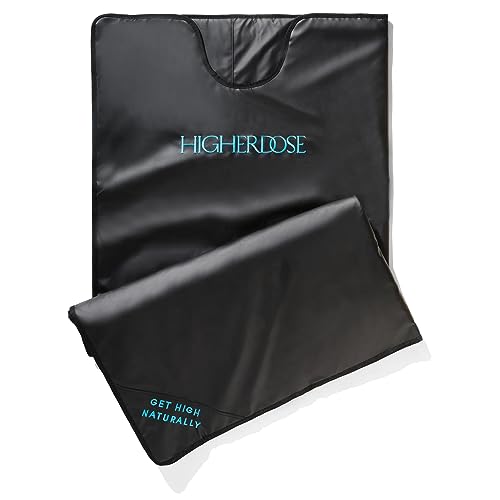
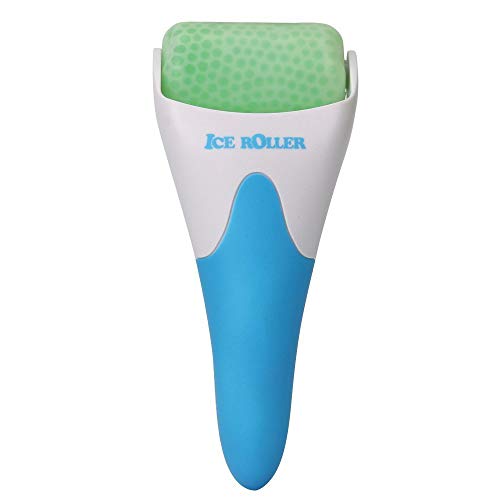
Contrast therapy doesn't require a dedicated sauna and cold plunge — a meaningful and effective version can be practiced using a sauna blanket (for the heat phase) and a cold shower (for the cold phase). Sauna blankets create a heated cocoon around the body that elevates core temperature effectively through radiant infrared, typically reaching blanket interior temperatures of 140–160°F (60–71°C) within 10–15 minutes. After emerging from the sauna blanket, a cold shower (cold water flowing for 2–4 minutes) completes the contrast cycle.
This combination is significantly more accessible in terms of space and cost than dedicated units. While the cold stimulus from a shower is less intense than full cold water immersion (less of the body is simultaneously exposed to cold), the heat stimulus from a quality sauna blanket is genuinely robust. For people in apartments or with budget constraints, blanket-plus-shower contrast therapy captures most of the benefit at a fraction of the cost.
Pros: Accessible to apartment dwellers; dramatically lower cost; no construction, plumbing, or electrical work; sauna blankets are compact and storable; meaningful thermal stimulus achievable.
Cons: Cold shower stimulus is less intense than full immersion; sauna blanket is less comfortable than a real sauna cabin; heat-up requires pre-planning; blankets require cleaning after each use.
FAQ: Contrast Therapy
Should I end on hot or cold?
It depends on your goal. For maximum recovery (clearing inflammatory markers, reducing DOMS), end on cold — cold vasoconstriction pushes metabolic waste products centrally for elimination and maintains the anti-inflammatory norepinephrine elevation for longer after the session. For relaxation, sleep quality improvement, and parasympathetic recovery, end on warm — the heat stimulus induces vasodilation and the parasympathetic state that facilitates restful sleep. As a general rule: morning sessions for energy and recovery end on cold; evening sessions for relaxation and sleep quality end on warm.
Is contrast therapy safe for everyone?
No — contrast therapy involves significant cardiovascular stress from rapid temperature changes and is not appropriate for everyone. People with cardiovascular disease, heart arrhythmias, severe hypertension, peripheral artery disease, Raynaud's phenomenon, or who are pregnant should consult a physician before trying contrast therapy. The elderly and children should approach with extra caution and medical guidance. For healthy adults without cardiovascular risk factors, contrast therapy is generally safe when practiced with common sense — always entering cold water gradually, never alone (for safety), and exiting if feeling dizzy, nauseated, or otherwise unwell. Start with warmer cold temperatures (20°C) and shorter exposures before progressing to colder temperatures and longer sessions.
How does contrast therapy compare to cold plunge or sauna alone?
Multiple studies comparing contrast water therapy to cold water immersion alone or to passive recovery for DOMS reduction have found contrast therapy to be equal or superior to cold alone and substantially superior to passive rest. The vascular pump mechanism creates a more dynamic recovery stimulus than either modality alone. For mood and wellbeing, the combination also appears to produce a more pronounced "alert calm" state than sauna or cold alone — the heat-to-cold transition sequence seems particularly potent for the norepinephrine/serotonin balance that creates the characteristic post-contrast-therapy mood profile. That said, the evidence base for sauna alone is also very strong for cardiovascular health and longevity outcomes — these are not competing approaches but complementary ones that serve different primary goals.
Disclaimer: VitalGuide participates in the Amazon Associates program. Links to Amazon products on this page are affiliate links — we may earn a commission if you purchase through them, at no extra cost to you. This article is for informational purposes only and does not constitute medical advice. Contrast therapy involves significant cardiovascular stress. People with heart conditions, hypertension, pregnancy, or other health conditions should consult their physician before beginning contrast therapy. Never practice cold water immersion alone.