⚡ As an Amazon Associate, VitalGuide earns from qualifying purchases. This helps us keep the site free.

Best Pre-Workout Supplements 2026: Stimulant & Non-Stimulant Picks

By James Harrington, CSCS · April 2026 · 12 min read

Pre-workout supplements are the most complained-about category in sports nutrition — and for good reason. The market is flooded with products that rely on massive caffeine doses, cheap underdosed ingredients, and proprietary blends that make it impossible to know what you're actually taking.

That said, a well-formulated pre-workout can genuinely improve training performance. Not because of some magical blend — but because specific ingredients, at clinically studied doses, have measurable effects on endurance, strength output, focus, and muscular blood flow.

In this guide, I'll break down which ingredients actually work, which are filler, and which five pre-workouts of 2026 earn a genuine recommendation.

The Core Pre-Workout Ingredients That Actually Work

1. Caffeine — The Anchor (150–300 mg)

The most well-researched ergogenic aid in existence. At 3–6 mg/kg bodyweight, caffeine reliably improves muscular endurance, peak power output, mental alertness and focus, and perceived effort. Red flag: Products with 350+ mg per serving provide diminishing returns and increase jitteriness and crash risk.

2. L-Citrulline — Pump and Endurance (6–8 g)

L-citrulline raises plasma arginine and nitric oxide levels more effectively than arginine itself. The result: enhanced vasodilation, better muscular blood flow, and improved oxygen delivery. Clinical research supports 6–8 g per dose. Red flag: Products listing "citrulline malate" at 3–4 g are providing only 1.5–2 g actual citrulline — far below the studied threshold.

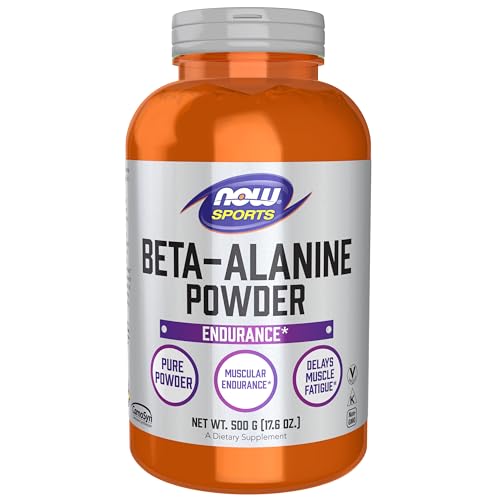
3. Beta-Alanine — Muscular Endurance (3.2–6.4 g/day)

Beta-alanine raises muscle carnosine levels, buffering acid accumulation during high-intensity exercise. Most beneficial for 1–4 minute efforts (sets of 10–20 reps, HIIT). The tingling sensation (paresthesia) it causes is harmless. Beta-alanine works best when dosed consistently every day, not just pre-workout.

4. Betaine Anhydrous — Emerging Strength Data (2.5 g)

Growing evidence for improving muscle strength and power output at 2.5 g/day. Multiple studies show improvements in bench press and squat performance. Worth having; not a dealbreaker if absent.

Ingredients to Skip

  • Proprietary blends — if you can't see individual ingredient doses, automatic skepticism
  • DMAA, DMHA, or other "designer stimulants" — banned by the FDA and WADA; avoid entirely
  • Arginine — largely ineffective for pump vs. citrulline; absorbed poorly from the gut
  • B-vitamin megadoses — not ergogenic; pure marketing

5 Best Pre-Workouts of 2026

1. Transparent Labs BULK — Best Overall

Key Ingredients: 8g citrulline malate, 4g beta-alanine, 2.5g betaine, 200mg caffeine | Stim Level: Moderate

Transparent Labs earns its name — every ingredient dose is fully disclosed, and those doses match or exceed clinical research standards. BULK delivers 8g citrulline malate, a full 4g beta-alanine dose, 2.5g betaine, and 200mg caffeine — a moderate, well-tolerated stimulant level that works for morning or afternoon training without ruining sleep. No proprietary matrix, no underdosed window dressing. Just research-backed doses.

Best for: Serious trainees who want full label transparency and clinical doses.

Check Price: Transparent Labs BULK on Amazon

2. Legion Pulse — Best for High Caffeine Tolerance

Key Ingredients: 8g L-citrulline, 3.6g beta-alanine, 2.5g betaine, 350mg caffeine + 350mg L-theanine | Stim Level: High

Legion Pulse uses the highest clinical caffeine dose on this list (350 mg), paired strategically with 350 mg L-theanine to smooth out the stimulant edge and reduce jitteriness. The 1:1 caffeine/theanine ratio produces cleaner focus with less crash than caffeine alone. The citrulline is dosed at 8g pure L-citrulline (not malate), one of the most generous pump doses available. Not for caffeine-sensitive individuals or evening training.

Best for: High caffeine tolerance trainees; morning training sessions only.

Check Price: Legion Pulse on Amazon

3. Kaged Pre-Kaged Elite — Best Premium Formula

Key Ingredients: 10g fermented L-citrulline, 3.2g beta-alanine, 2g creatine HCl, 274mg caffeine (dual-source) | Stim Level: Moderate-High

Pre-Kaged Elite uses fermented citrulline at a category-leading 10g dose. The dual-source caffeine (coffee beans + purcaf natural caffeine) provides a more sustained energy curve vs. straight caffeine anhydrous. A premium product at a premium price, but the ingredient sourcing and doses justify the cost for serious athletes.

Best for: Competitive athletes, bodybuilders focused on maximum pump and endurance.

Check Price: Kaged Pre-Kaged Elite on Amazon

4. Gorilla Mode Stim-Free — Best Stim-Free Option

Key Ingredients: 9g L-citrulline, 3.2g beta-alanine, 5g creatine monohydrate, 2.5g betaine | Stim Level: None

One of the most generously dosed non-stimulant pre-workouts available. Includes a full 5g creatine monohydrate (removing the need for a separate creatine dose), 9g citrulline, and a complete efficacious dose of every pump/performance ingredient. The pick for evening training sessions or those cycling off stimulants.

Best for: Evening trainees, caffeine-sensitive individuals, those on stimulant breaks.

Check Price: Gorilla Mode Stim-Free on Amazon

5. Nutricost Pre-Workout — Best Budget Pick

Key Ingredients: 6g citrulline malate, 3.2g beta-alanine, 150mg caffeine | Stim Level: Low-Moderate

Nutricost delivers a clean, transparent, budget-friendly pre-workout covering the essentials. The 150mg caffeine is a beginner-friendly level accessible to those newer to stimulants. It won't match elite formulas on pump intensity, but delivers honest doses of real ingredients at a price that makes consistent use financially accessible.

Best for: Budget-conscious trainees, beginners, casual gym-goers.

Check Price: Nutricost Pre-Workout on Amazon

Stimulant vs. Stim-Free: Which Is Right for You?

Choose stimulant if: You train in the morning or early afternoon, tolerate caffeine well, and have at least 6 hours between training and bedtime.

Choose stim-free if: You train in the evening, are sensitive to caffeine, are currently cycling off stimulants, or already consume significant caffeine from other sources.

Pre-Workout vs. Coffee

Caffeine is caffeine. A 12 oz cup of brewed coffee provides roughly 95–165 mg — within the lower range of most pre-workouts. If that dose works for you and you train in the morning, coffee performs essentially the same ergogenic function. Where dedicated pre-workouts have an edge: additional performance ingredients (citrulline, beta-alanine, betaine) that enhance blood flow and buffer acid accumulation in ways that caffeine alone doesn't.

How to Avoid Common Pre-Workout Mistakes

  • Don't take it every day forever — caffeine tolerance develops quickly. Take 1–2 weeks off every 8–12 weeks.
  • Don't take it too close to bedtime — caffeine disrupts sleep architecture even when you don't feel stimulated. Rule: no stimulant pre-workout within 6 hours of sleep.
  • Don't confuse the beta-alanine tingle for something wrong — it's completely harmless.
  • Don't ignore the ingredient label — proprietary blends are a red flag, not a feature.

Frequently Asked Questions

How much caffeine should a pre-workout have?

For most people, 150–250 mg per serving is the sweet spot. The research-supported range is 3–6 mg/kg bodyweight; for a 180 lb person that's roughly 245–490 mg. Products above 300 mg per serving should be reserved for high-tolerance individuals who train in the morning.

Is beta-alanine in pre-workout safe?

Yes. The tingling (paresthesia) is harmless — a direct nerve effect, not an allergic reaction. Long-term safety data from multiple 4–12 week trials shows no concerns. The tingling decreases with regular use as carnosine levels stabilize.

When should I take pre-workout?

20–30 minutes before training. Caffeine peaks in plasma at ~45–60 minutes post-ingestion. For citrulline's full pump effect, 30–45 minutes out is better.

Do I need to cycle off pre-workout?

For stimulant products: yes, cycling is recommended. Take 1–2 weeks off every 8–12 weeks to reset caffeine sensitivity. For stim-free products: cycling isn't necessary.

Disclaimer: VitalGuide participates in the Amazon Associates program. Links to Amazon products are affiliate links — we may earn a commission if you purchase through them, at no extra cost to you. This article is for informational purposes only and does not constitute medical advice. Consult a qualified healthcare professional before starting any new supplement regimen.

Related Sports Nutrition Articles

Browse all Sports Nutrition guides →

Get Weekly Wellness Tips

Join 50,000+ readers who get our weekly roundup of the best health products, deals, and evidence-based wellness advice.

👩‍⚕️

Reviewed by

Sarah Mitchell, MS, RDN

Sarah is a Registered Dietitian Nutritionist with a Master's in Nutritional Sciences and over 12 years of clinical experience. She leads VitalGuide's editorial review process, ensuring every recommendation reflects current scientific evidence.

View full profile →