⚡ As an Amazon Associate, VitalGuide earns from qualifying purchases. This helps us keep the site free.

Best Hydration Multipliers 2026: LMNT vs Liquid IV vs Nuun Compared

By the VitalGuide Editorial Team · May 2026 · 15 min read

best hydration multiplier electrolyte drinks 2026

Proper hydration is foundational to performance, recovery, cognitive function, and long-term health. But water alone isn't always enough. During exercise, illness, heat exposure, or following a low-carb or ketogenic diet, the body loses electrolytes — sodium, potassium, magnesium, chloride — that water simply cannot replace. Electrolyte depletion, even mild, drives fatigue, muscle cramps, brain fog, and decreased performance before you even feel thirsty.

The hydration multiplier market has exploded in recent years, with LMNT, Liquid IV, Nuun, Ultima, and DripDrop all building substantial audiences around different formulations and use cases. The challenge for consumers is that the "best" formula depends entirely on context: Who are you? Why are you supplementing? Are you managing sodium on a keto diet, recovering from GI illness, optimizing endurance performance, or just trying to stay hydrated at a desk all day?

This guide cuts through the marketing noise, explains the underlying physiology of hydration, and matches each product to the buyer profile where it delivers the most value.

How We Evaluated Hydration Products

We evaluated products based on: (1) electrolyte profile — sodium, potassium, magnesium, calcium, chloride content and ratios, (2) sugar and sweetener choices, (3) alignment with WHO Oral Rehydration Solution science, (4) ingredient quality and transparency, (5) taste and ease of use, and (6) cost per serving and value. All electrolyte content was verified against product labels.

The Science of Hydration: Beyond Plain Water

Hydration is not simply a function of how much water you drink. It is a function of fluid retention — and fluid retention depends critically on electrolyte balance, particularly sodium. Sodium is the primary extracellular cation and the dominant driver of osmotic pressure that determines whether fluid stays in your bloodstream and cells or passes through into the urine.

When you exercise, you lose sodium in sweat — not just water. Replacing the water without replacing the sodium creates a state called hyponatremia in severe cases, or sub-optimal hydration status in milder cases. You can drink a liter of plain water after a hard workout and still feel poorly hydrated because your sodium levels haven't been restored enough to maintain proper fluid distribution.

The World Health Organization's Oral Rehydration Solution (ORS) research established the foundational science: the combination of glucose and sodium in the correct ratio activates the sodium-glucose co-transporter (SGLT1) in the small intestine, dramatically accelerating water absorption into the bloodstream compared to water or glucose alone. This mechanism — called Cellular Transport Technology by Liquid IV — is the same principle underlying clinical ORS therapy used to treat severe dehydration from cholera and gastroenteritis worldwide.

The Sodium Debate: How Much Is Enough?

The sodium content in hydration products varies dramatically — from 200mg per serving (Nuun Sport) to 1000mg per serving (LMNT). This is where the most meaningful product differentiation occurs.

The right sodium dose depends on your context:

  • Intense exercise or heat: Sweat sodium concentration averages 900mg per liter of sweat, ranging from 200mg to 1,700mg depending on the individual. Heavy sweaters and endurance athletes may lose 2,000–4,000mg of sodium per hour. At this level, 1000mg per serving (LMNT) is physiologically appropriate.
  • Low-carb / ketogenic diet: Insulin suppression on a low-carb diet causes the kidneys to excrete more sodium. This "keto flu" is largely a sodium-depletion phenomenon. LMNT was originally designed for this population specifically, and 1000mg sodium per serving addresses the elevated need.
  • General daily hydration: For desk workers, casual exercisers, and general daily hydration, 200–500mg sodium per serving is adequate and better suited to avoid unnecessary sodium loading.
  • Illness and GI recovery: WHO ORS targets approximately 75mEq/L sodium (about 1750mg/L when dissolved in 1L water). DripDrop and Liquid IV approximate this ratio for rapid rehydration.

Sugar in Electrolyte Drinks: Friend or Foe?

Sugar in electrolyte drinks serves a specific physiological function: activating the SGLT1 co-transporter for rapid intestinal fluid absorption. In the context of WHO ORS and clinical rehydration, glucose is not just a flavoring agent — it's a transport mechanism. Liquid IV and DripDrop use this intentionally.

For most athletes and healthy adults, however, additional glucose during moderate exercise or daily hydration is unnecessary. Sugar-free formulas (LMNT, Ultima, Nuun) use stevia or other non-nutritive sweeteners and still provide full electrolyte replenishment without the glycemic impact. They're better suited to daily use, keto/low-carb dieters, and anyone watching caloric intake.

Bottom line: Sugar-containing formulas are superior for acute dehydration recovery from illness or intense exercise. Sugar-free is preferable for regular daily use and low-carb diets.

Best Hydration Multipliers of 2026

1. LMNT Zero-Sugar Electrolytes — Best Overall for Athletes

LMNT has built one of the most fervent followings in the supplement space by delivering a formula that genuinely aligns with the science of athletic hydration and low-carb eating. Each stick provides 1000mg sodium, 200mg potassium, and 60mg magnesium — no sugar, no artificial ingredients, just electrolytes in physiologically meaningful quantities.

The 1000mg sodium dose is the highest of any mainstream hydration product and reflects the actual sodium loss rates of heavy sweaters and endurance athletes. LMNT's formulation is directly informed by Dr. James DiNicolantonio's research on sodium requirements for active people and low-carb dieters. The taste — available in flavors like Raspberry Salt, Mango Chili, Citrus Salt, and Unflavored — is genuinely excellent without the artificial-sweet heaviness of many competitors.

Key specs: 1000mg sodium | 200mg potassium | 60mg magnesium | Zero sugar | Stevia sweetened | No artificial ingredients

Pros:

  • Highest sodium content — appropriate for heavy sweaters, endurance athletes, and keto dieters
  • Zero sugar — suitable for low-carb, keto, and diabetic-adjacent dietary patterns
  • Clean ingredient label — no artificial sweeteners, dyes, or fillers
  • Excellent flavors with broad variety
  • Science-backed formulation with transparent rationale

Cons: High sodium may be excessive for light exercisers or people with hypertension; relatively expensive at ~$1.50/stick; the 1000mg sodium dose can taste salty to unaccustomed palates.


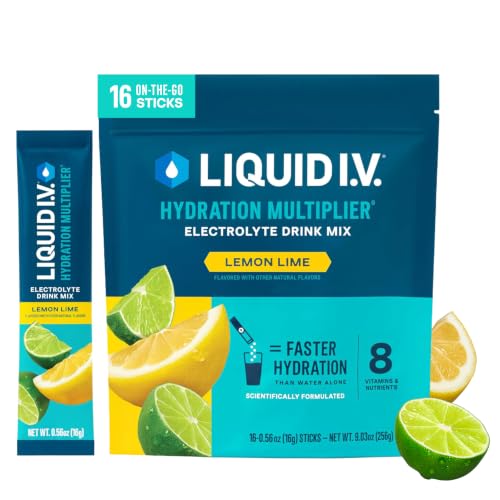
2. Liquid IV Hydration Multiplier — Best for Rapid Rehydration

Liquid IV built its brand around the claim that one serving equals 2–3 glasses of water in hydration value — and while this is marketing-speak, the underlying mechanism is real. Their Cellular Transport Technology (CTT) uses the sodium-glucose co-transport mechanism to accelerate intestinal fluid absorption. With 500mg sodium, 380mg potassium, and 11g sugar per serving, the formula closely approximates WHO ORS ratios for rapid clinical rehydration.

Liquid IV is the best choice for situations requiring fast fluid replacement: post-travel dehydration, hangover recovery, GI illness recovery, or back-to-back day athletic events. The included glucose accelerates absorption in a way zero-sugar formulas cannot replicate. The taste is sweet and accessible — which is why it has broad mainstream appeal beyond the core athletic market.

Key specs: 500mg sodium | 380mg potassium | 11g sugar | CTT formula based on WHO ORS science | Multiple flavors including low-sugar options

Pros:

  • WHO ORS-based formula — clinically validated rapid rehydration mechanism
  • Best for acute dehydration from illness, alcohol, or intense exercise
  • Excellent taste — most accessible of all picks
  • Strong brand credibility with broad consumer trust
  • Multiple product lines including low-sugar and immune-support variants

Cons: 11g sugar per serving is significant for daily use or low-carb dieters; more expensive per serving than Nuun; some artificial flavor content in certain SKUs.


3. Nuun Sport Electrolyte Tablets — Best for Endurance Athletes

Nuun Sport is the endurance athlete's electrolyte staple — and for good reason. The tablet format is uniquely convenient for athletes: one tube of 10 tablets fits in a jersey pocket, hydration vest, or race kit without the bulk of stick packs. Each tablet delivers a complete mineral profile: 300mg sodium, 150mg potassium, 25mg magnesium, and 13mg calcium — covering all four major exercise electrolytes in a single, easily portable form.

Nuun uses a small amount of dextrose (1g sugar) to aid absorption without loading significant carbohydrates, making it compatible with low-sugar training protocols. The tablet also dissolves effervescently in water, creating a lightly carbonated drink that many athletes find easier to consume during exercise than thick powder drinks. The carbon footprint is notably lower than single-use powder stick packs.

Key specs: 300mg sodium | 150mg potassium | 25mg magnesium | 13mg calcium | 1g sugar | Tablet format | 15 calories/serving

Pros:

  • Complete 4-electrolyte profile including calcium — unique among picks
  • Tablet format — most portable and convenient for endurance sports
  • Low calorie and low sugar — suitable for training hydration without carb loading
  • Effervescent — refreshing texture during exercise
  • Very strong value per serving

Cons: 300mg sodium is lower than LMNT — may be insufficient for heavy sweaters or keto dieters; requires dissolving (not ideal for direct consumption); some users dislike stevia aftertaste.


4. Ultima Replenisher — Best for Daily Use

Ultima Replenisher distinguishes itself with a USDA Organic certification, a completely zero-sugar formula, and the most comprehensive electrolyte coverage of any product on this list — including sodium, potassium, magnesium, calcium, chloride, and phosphorus. This 6-electrolyte approach makes it particularly well-suited for daily hydration where you want complete mineral replenishment without a sugar load.

The organic certification sets Ultima apart from every other major hydration product — it's made with organic flavors and organic stevia, with no artificial colors or preservatives. Serving sizes are flexible (1 scoop per 16oz for light use, 2 scoops for more intense needs), and the per-serving cost is competitive for what you get. Ultima has become a favorite for the health-conscious buyer who wants daily electrolyte support without anything artificial.

Key specs: 55mg sodium | 250mg potassium | 65mg magnesium | 65mg calcium | 6 electrolytes | USDA Organic | Zero sugar | Stevia sweetened

Pros:

  • USDA Organic — the only certified organic major hydration powder
  • 6 complete electrolytes including chloride and phosphorus
  • Zero sugar — suitable for daily use and low-carb diets
  • No artificial colors, flavors, or preservatives
  • Available in bulk powder (more economical than stick packs)

Cons: Lower sodium (55mg) makes it inadequate as a sole hydration supplement for intense exercise; not ideal for acute heavy dehydration; stevia taste is more pronounced than some competitors.


5. DripDrop ORS — Best for Illness and Medical-Grade Rehydration

Check Price: DripDrop ORS on Amazon

DripDrop was developed by a physician and is sold in medical settings including hospitals, military, and disaster relief organizations. The formula precisely targets WHO ORS electrolyte ratios — 330mg sodium, potassium, magnesium, and zinc — with glucose to drive the SGLT1 co-transport mechanism at clinically effective concentrations. It's the closest over-the-counter approximation of clinical IV rehydration therapy in a drinkable format.

DripDrop is what you want in the medicine cabinet for stomach bugs, severe travel dehydration, food poisoning, or post-surgical recovery. It's more medically formulated and less lifestyle-flavored than Liquid IV or LMNT, and it shows in the clinical adoption. It's also one of the few electrolyte products tested in randomized controlled trials for efficacy in clinical dehydration settings.

Key specs: 330mg sodium | Potassium + magnesium + zinc | Glucose for SGLT1 transport | Physician-developed formula | Used in clinical settings

Pros:

  • Physician-developed medical-grade formula
  • Used in hospitals, military, and disaster relief
  • Best for severe or illness-related dehydration
  • Clinically validated electrolyte and glucose ratios
  • Zinc addition supports immune function during illness

Cons: Contains sugar (10–15g) — not ideal for regular daily use or low-carb diets; tastes more "clinical" than consumer-oriented products; higher price per packet than Nuun or Ultima.

Side-by-Side Comparison

Product Sodium Sugar Format Cost/Serving Best For
LMNT 1000mg 0g Stick pack ~$1.50 Athletes, keto
Liquid IV 500mg 11g Stick pack ~$1.25 Rapid rehydration
Nuun Sport 300mg 1g Tablet ~$0.75 Endurance sports
Ultima 55mg 0g Powder/stick ~$0.80 Daily use, organic
DripDrop ORS 330mg 10–15g Stick pack ~$1.75 Illness recovery

Who Actually Needs an Electrolyte Supplement?

Electrolyte supplements provide the most value for specific populations. If you don't fit these categories, plain water is likely sufficient:

  • Endurance athletes: Anyone sweating heavily for 60+ minutes needs sodium replacement, not just fluid replacement.
  • People on low-carb or ketogenic diets: Reduced insulin leads to increased urinary sodium excretion — supplementation directly addresses keto flu symptoms.
  • Hot climate residents or summer outdoor workers: Chronic heat exposure drives chronic sodium loss beyond what a typical diet replaces.
  • People recovering from illness: GI illness, vomiting, diarrhea, and fever all drive accelerated electrolyte depletion where ORS-type formulas provide direct benefit.
  • Frequent travelers: Air travel is dehydrating (cabin humidity is typically below 20%); alcohol at airports compounds the effect. A hydration packet is practical travel kit support.

Disclaimer: VitalGuide participates in the Amazon Associates program. This article contains affiliate links — we may earn a commission if you purchase through them, at no extra cost to you. The information in this article is educational and does not constitute medical advice. People with hypertension, kidney disease, or who are sodium-restricted by a physician should consult their healthcare provider before using high-sodium electrolyte products.

Frequently Asked Questions

Is LMNT better than Liquid IV?

It depends on your use case. LMNT is better for athletes, keto dieters, and heavy sweaters because of its 1000mg sodium content and zero sugar. Liquid IV is better for acute dehydration recovery — illness, travel, or hangover — because its glucose-sodium formula accelerates fluid absorption via the WHO ORS mechanism. For daily hydration, neither is ideal — Ultima or Nuun are better suited to regular low-intensity use.

Can I drink electrolyte supplements every day?

Yes — daily electrolyte use is appropriate for athletes, people in hot climates, or those on low-carb diets. For sedentary individuals with normal diets, daily electrolyte supplementation is generally unnecessary but harmless at low-to-moderate sodium doses. People with hypertension or kidney disease should consult a physician before regular high-sodium electrolyte use (LMNT's 1000mg per serving, in particular).

Do electrolyte drinks help with hangovers?

Yes, with an important caveat. Alcohol inhibits the anti-diuretic hormone (ADH), causing the kidneys to excrete water and electrolytes — leading to the dehydration that contributes to hangover symptoms. Replenishing electrolytes alongside water the morning after (or before sleep) can meaningfully reduce headache, fatigue, and brain fog. Liquid IV or DripDrop ORS are best for this use given their glucose-assisted rapid absorption.

What electrolytes do I need for keto?

On a ketogenic diet, the key electrolytes are sodium (most critical), potassium, and magnesium. Reduced insulin levels cause the kidneys to excrete more sodium, which drives the "keto flu" — symptoms including fatigue, headaches, muscle cramps, and brain fog. LMNT was specifically designed for this population with 1000mg sodium, 200mg potassium, and 60mg magnesium per serving. Many keto practitioners also add supplemental magnesium glycinate separately for additional coverage.

How much water should I drink with an electrolyte packet?

Follow the product label guidance, but the general principle is: more water creates a more dilute (hypotonic) solution that is absorbed faster; less water creates a more concentrated (hypertonic) solution that absorbs more slowly. LMNT recommends 16–32oz (500mL–1L) per packet. Liquid IV recommends exactly 16oz. Nuun recommends 16oz per tablet. Mixing with too little water (particularly for Liquid IV's higher-sugar formula) can slow absorption and cause GI discomfort.

Sources & References

VitalGuide articles are grounded in peer-reviewed research. The following studies were used in preparing this guide:

  1. Shirreffs SM, Sawka MN. Fluid and electrolyte needs for training, competition, and recovery. Journal of Sports Sciences. 2011;29 Suppl 1:S39–S46.
  2. Baker LB. Physiology of sweat gland function: the roles of sweating and sweat composition in human health. Temperature. 2019;6(3):211–259.
  3. World Health Organization. Oral Rehydration Salts: Production of the New ORS. WHO/FCH/CAH/06.1. Geneva: World Health Organization, 2006.
  4. DiNicolantonio JJ, O'Keefe JH. The importance of maintaining a low omega-6/omega-3 ratio for reducing the risk of autoimmune diseases, asthma, and allergies. Missouri Medicine. 2021;118(5):453–459.
  5. Lau WY, et al. Effects of ingesting a sports drink during exercise and recovery on subsequent exercise performance. Applied Physiology, Nutrition, and Metabolism. 2014;39(12):1380–1386.

Related Articles

Browse all Sports Nutrition guides →

Get Weekly Wellness Tips

Join 50,000+ readers who get our weekly roundup of the best health products, deals, and evidence-based wellness advice.

👩‍⚕️

Reviewed by

Sarah Mitchell, MS, RDN

Sarah is a Registered Dietitian Nutritionist with a Master's in Nutritional Sciences and over 12 years of clinical experience. She leads VitalGuide's editorial review process, ensuring every recommendation reflects current scientific evidence.

View full profile →