⚑ As an Amazon Associate, VitalGuide earns from qualifying purchases. This helps us keep the site free.

Beef Liver & Organ Meat Supplements: Nature's Original Multivitamin (2026)

By the VitalGuide Editorial Team Β· May 2026 Β· 13 min read

Before there were multivitamins, there was organ meat. Traditional cultures around the world β€” from Arctic Inuit to African pastoralists to pre-industrial Europeans β€” consumed liver, heart, kidney, and other organ meats regularly, often treating them as the most prized parts of an animal. Modern nutrition science has vindicated this instinct: gram for gram, beef liver is one of the most nutrient-dense foods that exists, delivering concentrations of vitamins and minerals that exceed nearly every other food source.

The resurgence of interest in organ supplements β€” freeze-dried, desiccated liver and organ complex capsules β€” reflects a broader shift toward ancestral nutrition principles and a growing recognition that conventional multivitamins often provide synthetic, poorly absorbed forms of nutrients. Here is the science behind beef liver supplementation, who benefits most, and how to choose a product that delivers.

How We Evaluated Organ Supplements

We reviewed the nutritional science of organ meats, assessed sourcing claims (grass-fed, pasture-raised, regenerative), evaluated third-party testing for heavy metals and contaminants, examined capsule counts and effective doses relative to whole-food equivalents, and considered brand transparency. Products were evaluated on: (1) sourcing quality (grass-fed, pasture-raised New Zealand/Argentine sources preferred), (2) freeze-drying process preservation of nutrients, (3) heavy metal testing, (4) capsule count and effective dose, and (5) brand credibility. No commercial relationships exist with listed brands.

The Nutritional Profile of Beef Liver

A single 3-ounce (85g) serving of cooked beef liver provides, among other nutrients:

  • Vitamin B12: ~3,460% of the Daily Value β€” the highest concentration of any food. B12 is critical for red blood cell formation, neurological function, and DNA synthesis. Many people are deficient, particularly vegetarians, older adults, and athletes under high oxidative stress.
  • Vitamin A (retinol): ~860% DV as preformed retinol β€” the most bioavailable form, not the beta-carotene precursor found in plant foods that many people convert inefficiently.
  • Copper: ~1,620% DV β€” liver is the richest dietary source of copper, a mineral involved in iron metabolism, immune function, collagen synthesis, and antioxidant defense.
  • Riboflavin (B2): ~210% DV β€” essential for energy metabolism, especially relevant for high-volume athletes.
  • Folate: ~65% DV β€” the natural food form of folate (5-methyltetrahydrofolate), more bioavailable than synthetic folic acid in many people, particularly those with MTHFR gene variants.
  • Iron (heme iron): ~40% DV as highly bioavailable heme iron β€” the form most efficiently absorbed and utilized, distinct from the non-heme iron in plant foods.
  • CoQ10 and other bioactive compounds: Liver contains meaningful amounts of CoQ10, carnitine, and other molecules difficult to obtain through most modern diets.

This nutritional density is why liver has been called "nature's multivitamin" β€” a single serving provides meaningful quantities of multiple nutrients that are commonly deficient in modern diets, in forms that are highly bioavailable.

Why Athletes Are Embracing Organ Supplements

Iron and Red Blood Cell Optimization

Endurance athletes, particularly females, are at high risk for iron deficiency β€” the most common nutritional deficiency in athletes worldwide. Iron is essential for hemoglobin and myoglobin synthesis; even subclinical iron depletion (without frank anemia) reduces VO2 max and endurance performance. Liver provides heme iron, the form with 2–3x higher absorption than plant-based non-heme iron, without the gastrointestinal side effects common with iron supplements.

B12 and Energy Metabolism

B12 deficiency impairs the formation of red blood cells and disrupts the myelin sheath protecting nerve fibers, leading to fatigue, cognitive impairment, and eventually neurological damage if severe. High-volume training increases B12 requirements, and many athletes β€” particularly those eating less red meat, older athletes, and anyone with reduced gastric acid production β€” have suboptimal B12 status. Liver's extraordinary B12 content makes it one of the most efficient single-food B12 sources available.

Retinol for Recovery and Immune Function

Preformed vitamin A (retinol) plays critical roles in immune function, protein synthesis, and gene expression. It is also essential for maintaining the integrity of mucosal barriers β€” the first-line defense against respiratory infections, which are a significant threat to athletes in heavy training. Unlike synthetic vitamin A supplements, liver-derived retinol comes in its natural complex with other fat-soluble cofactors.

Coenzyme Q10 for Mitochondrial Function

Organ meats, particularly heart, are among the richest dietary sources of CoQ10 (ubiquinol), which is essential for the mitochondrial electron transport chain β€” the cellular machinery that generates ATP (energy). Athletes with high training volumes have elevated CoQ10 requirements, and organ complex supplements that include heart can meaningfully contribute to CoQ10 status.

Grass-Fed vs. Conventional: Does It Matter?

Quality sourcing matters for organ supplements more than for many other products. Conventionally raised cattle are often fed grain-based diets, given antibiotics, and finished in concentrated animal feeding operations (CAFOs). Grass-fed, pasture-raised cattle have been shown to have meaningfully different fatty acid profiles in their tissues β€” higher omega-3 content, higher CLA, and different fat-soluble vitamin profiles. They also have lower exposure to synthetic hormones and antibiotics.

For liver specifically, sourcing quality affects the levels of fat-soluble vitamins (A, D, K2) in the product. Grass-fed, pasture-raised liver from New Zealand or Argentina (where regenerative grazing is prevalent) is the gold standard for organ supplement sourcing. These regions are also geographically isolated, reducing exposure to industrial pollutants.

Heavy metal testing is also essential for liver products. Because the liver is a metabolic organ that processes toxins, poor-quality or heavily contaminated source animals can produce liver with elevated lead, cadmium, or other heavy metal levels. Third-party testing is non-negotiable in product selection.

Dosing: How Much Do You Need?

Most desiccated liver supplements come in capsule form with approximately 500mg–750mg per capsule. The commonly cited effective dose is 3,000–6,000mg of desiccated liver per day β€” typically 4–8 capsules depending on capsule size. This is roughly equivalent to about 25–50g of fresh liver in terms of concentrated nutrient delivery after moisture removal.

For organ complex supplements that include heart, kidney, and other organs, similar dosing ranges apply. The key is consistency β€” daily use over weeks and months is more important than any single large dose.

Timing: Organ supplements are best taken with meals, both for improved fat-soluble vitamin absorption and to minimize any potential nausea in sensitive individuals. Splitting the dose between two meals (e.g., two capsules with breakfast and two with dinner) is a practical approach.

Best Beef Liver & Organ Supplements on Amazon (2026)

1. Ancestral Supplements Grass Fed Beef Liver

Best Overall β€” The Gold Standard

Ancestral Supplements is the brand that largely popularized the modern organ supplement movement, and their grass-fed beef liver remains the category standard. Sourced from New Zealand grass-fed, pasture-raised cattle, freeze-dried to preserve heat-sensitive nutrients, and rigorously third-party tested for heavy metals and contaminants. Each serving provides 3,000mg of desiccated liver in 6 capsules. The brand's commitment to sourcing transparency and testing is unmatched in this category.

Pros: Premium New Zealand grass-fed sourcing, rigorous third-party testing, freeze-dried for maximum nutrient retention, brand transparency, most studied product in the category.

Cons: Premium pricing; requires 6 capsules per serving; some users find the capsule size larger than average.

Best for: Anyone who wants the best-sourced, most rigorously tested desiccated liver supplement available.


2. Ancestral Supplements Grass Fed Beef Organs (5-Organ Complex)

Best Organ Complex

This 5-organ complex includes liver, heart, kidney, pancreas, and spleen β€” each contributing a distinct nutritional profile. Heart is the best dietary source of CoQ10; kidney is rich in selenium and B12; pancreas provides digestive enzymes and insulin-like growth factors; spleen provides specific heme iron and immune-active peptides. For athletes wanting the broadest nutritional coverage from organ supplementation, the organ complex is superior to liver alone.

Pros: Five-organ blend for broader nutritional coverage, same premium New Zealand sourcing as the liver product, CoQ10 from heart, selenium from kidney.

Cons: Even more capsules per serving than liver alone; higher price than single-organ products.

Best for: Athletes or health-focused individuals wanting whole-food nutritional coverage beyond what liver alone provides.


3. Vital Proteins Pasture-Raised Beef Liver

Best Mid-Range Option

Vital Proteins β€” the collagen brand owned by NestlΓ© Health Science β€” has expanded into organ supplements with a pasture-raised beef liver product that delivers 3,000mg per serving. Vital Proteins benefits from the brand recognition and distribution scale of a major consumer health company, and their liver product has undergone third-party testing. It sits at a moderate price point between budget generic products and the premium Ancestral Supplements offering.

Pros: Established brand, widely available, pasture-raised sourcing, third-party tested, competitive pricing for the quality tier.

Cons: Vital Proteins' sourcing is predominantly US-based (not New Zealand); some users prefer the independent brand ethos of Ancestral Supplements.

Best for: Those who want a trusted mainstream brand and are comfortable with US-sourced pasture-raised cattle.

Who Should Consider Organ Supplements?

  • Endurance athletes with iron demands β€” female athletes especially; heme iron from liver is more effective and better tolerated than iron supplements
  • Strength athletes and bodybuilders β€” historically, raw liver was a staple supplement of the Golden Age bodybuilders including Vince Gironda and his followers
  • Individuals with B12 deficiency risk β€” vegetarians transitioning to omnivore diets, older adults, those with low stomach acid
  • People who dislike eating liver β€” capsules are the practical solution for getting liver nutrition without the taste
  • Those seeking whole-food supplementation β€” as an alternative to synthetic multivitamins, organ supplements provide nutrients in their natural food matrix

Safety and Precautions

Liver is extraordinarily nutrient-dense, which means excessive consumption is possible. The primary concern is vitamin A toxicity (hypervitaminosis A), which can occur with very high, sustained doses of preformed retinol. The Upper Tolerable Intake Level (UL) for adults is 10,000 IU (3,000 mcg RAE) of preformed vitamin A per day. A standard 3,000mg serving of desiccated liver provides approximately 1,500–3,000 IU β€” well within safety limits. However:

  • Pregnant women should limit liver intake and be cautious with supplemental retinol β€” excess vitamin A during pregnancy is teratogenic. Consult your OB before using organ supplements.
  • Those already taking vitamin A supplements should account for liver's retinol content to avoid exceeding the UL.
  • High-dose use (above 6,000mg/day for extended periods) should be approached with periodic monitoring if you're also taking other vitamin A-containing supplements.

For healthy adults at standard doses, organ supplements have an excellent safety profile. The whole-food matrix of nutrients appears to confer safety advantages over isolated high-dose synthetic retinol.

The Bottom Line

Beef liver and organ complex supplements represent one of the most nutrient-dense whole-food supplement options available, delivering concentrated B12, retinol, heme iron, copper, riboflavin, and CoQ10 in their natural food-matrix forms. For athletes with elevated nutritional demands, people seeking whole-food alternatives to synthetic multivitamins, and anyone dealing with common deficiencies like iron and B12, organ supplements merit serious consideration.

Choose products with verified grass-fed/pasture-raised sourcing, freeze-drying preservation, and third-party heavy metal testing. Ancestral Supplements Grass Fed Beef Liver sets the quality standard. For broader nutritional coverage, the 5-Organ Complex from the same brand is the most complete whole-food supplement in this category.

Disclaimer: VitalGuide participates in the Amazon Associates program. Links to Amazon products on this page are affiliate links β€” we may earn a commission if you purchase through them, at no extra cost to you. This article is for educational purposes only and should not be construed as medical advice. Consult your healthcare provider before starting any new supplement, especially if pregnant or taking medications.

Frequently Asked Questions

Is beef liver better than a multivitamin?

For the specific nutrients liver provides in abundance β€” B12, retinol (preformed vitamin A), heme iron, copper, and riboflavin β€” whole-food liver is generally considered superior to synthetic multivitamins because: (1) the nutrients are in their natural food matrix, often with superior bioavailability; (2) the natural food forms (like food folate vs. synthetic folic acid, or retinol vs. beta-carotene) are better suited to people with certain genetic variants; and (3) the cofactors present in the whole food may enhance absorption and utilization. However, liver does not cover all nutritional gaps a comprehensive multivitamin addresses β€” it is low in vitamin D, vitamin C, calcium, and several other nutrients. For most people, organ supplements work best as a complement to a varied diet rather than a sole replacement for a multivitamin.

How many beef liver capsules should I take per day?

The standard effective dose for desiccated liver supplements is 3,000–6,000mg per day, which typically means 4–8 capsules daily at the 500–750mg per capsule standard. Most manufacturers recommend starting at the lower end and assessing tolerance. Take with food to improve fat-soluble vitamin absorption and reduce potential nausea. Ancestral Supplements recommends 6 capsules (3,000mg) per day as their standard dose, which is roughly equivalent to eating approximately 1 ounce (28g) of fresh liver daily.

Can vegetarians benefit from organ supplements?

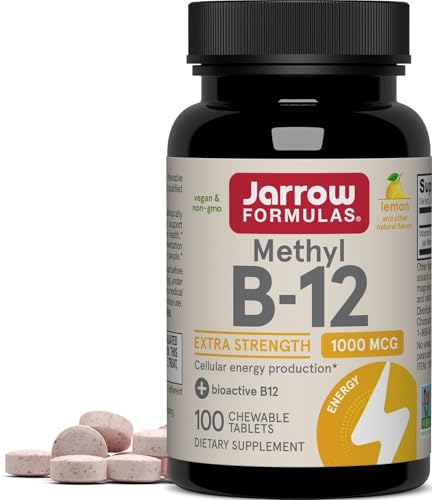
Organ supplements are not suitable for vegetarians or vegans β€” they are animal products. Former vegetarians transitioning to omnivore diets, however, often benefit substantially from organ supplements, as they typically have depleted B12 stores, suboptimal iron status, and low retinol from years without animal-source retinol. For vegetarians and vegans seeking B12 supplementation, methylcobalamin or adenosylcobalamin B12 supplements (the active coenzyme forms) are the most effective plant-based-friendly alternatives to liver B12.

Sources & Key References

  1. USDA FoodData Central (2024). Beef, liver, cooked, braised β€” nutritional composition data. β€” Source for nutrient content figures cited throughout the article.
  2. Hurrell R, Egli I (2010). Iron bioavailability and dietary reference values. American Journal of Clinical Nutrition, 91(5), 1461S–1467S. β€” Review of heme vs. non-heme iron absorption differences and dietary iron bioavailability.
  3. Watanabe F (2007). Vitamin B12 sources and bioavailability. Experimental Biology and Medicine, 232(10), 1266–1274. β€” Comprehensive review of dietary B12 sources and bioavailability, including organ meats.
  4. Burdge GC, Calder PC (2005). Conversion of alpha-linolenic acid to longer-chain polyunsaturated fatty acids in human adults. Reproduction Nutrition Development, 45(5), 581–597. β€” Relevant to fatty acid differences between grass-fed and grain-fed beef organs.

Related Articles

Browse all Sports Nutrition guides →

Get Weekly Wellness Tips

Join 50,000+ readers who get our weekly roundup of the best health products, deals, and evidence-based wellness advice.