Phosphatidylcholine is a phospholipid that serves as a major structural component of cell membranes throughout the body, and its supplement applications span liver health, cognitive function, and its role as a source of choline, an essential nutrient many people don't consume in adequate amounts through diet alone.
Phosphatidylcholine's Structural Role in Cell Membranes
As a phospholipid, phosphatidylcholine is a fundamental building block of cell membranes throughout the body, including in liver cells and brain cells specifically — this structural, foundational role across virtually all cell types is the basis for phosphatidylcholine's relevance across the seemingly disparate application areas (liver health, cognitive function) discussed in supplement marketing, since membrane integrity matters to cellular function broadly.
Liver Health Applications
Phosphatidylcholine has research interest specifically for liver health, given the liver's particular reliance on healthy cell membrane function and some research examining its role in supporting liver cell membrane integrity and potentially aiding in certain liver-related conditions — this liver-focused application represents one of phosphatidylcholine's more specifically studied areas, connecting to its fundamental structural role in liver cell membranes.
Choline: An Essential Nutrient Many People Under-Consume
Phosphatidylcholine serves as a significant dietary source of choline, an essential nutrient involved in numerous physiological processes including neurotransmitter synthesis and, notably, fetal brain development during pregnancy, discussed in more depth in our prenatal vitamin guide — population dietary surveys have found that a substantial portion of people don't meet recommended choline intake through diet alone, making phosphatidylcholine supplementation a reasonable approach for addressing this common dietary gap specifically.
Cognitive Function Research
Given choline's role in acetylcholine neurotransmitter synthesis and phosphatidylcholine's structural role in brain cell membranes, this compound has drawn research interest for cognitive function support, with some studies examining effects on memory and other cognitive measures — this cognitive research angle connects to the broader choline-and-brain-health research area, though it represents a somewhat different specific compound and research thread than other choline-related supplements like alpha-GPC or CDP-choline (citicoline).
Comparing Phosphatidylcholine to Other Choline Sources
Alpha-GPC and CDP-choline (citicoline) are other common choline-delivering supplement compounds, each with somewhat different research profiles and choline delivery efficiency — phosphatidylcholine generally delivers a lower percentage of choline by weight compared to these more concentrated choline compounds, meaning dosing comparisons between phosphatidylcholine and these other choline sources need to account for this difference in actual choline delivery efficiency per gram of compound.
Lecithin as a Common Phosphatidylcholine Source
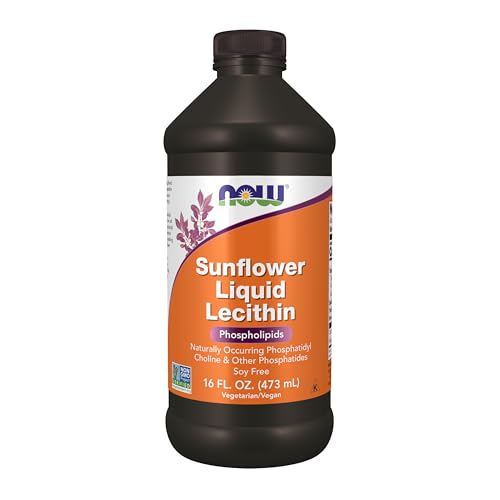
Many phosphatidylcholine supplements are derived from lecithin, commonly sourced from soy or sunflower, with the specific extraction and processing method affecting the final product's actual phosphatidylcholine concentration — checking a product's specified phosphatidylcholine content, rather than simply seeing "lecithin" listed generically, provides more precise information about the actual active compound dose you're receiving.
Dietary Sources Beyond Supplementation
Foods naturally rich in choline and phosphatidylcholine include eggs (particularly egg yolks), certain meats, and some plant sources in smaller amounts — someone with a varied diet regularly including these foods may have less need for dedicated supplementation compared to someone with more limited dietary choline intake, similar to the general principle discussed across many nutrient categories on this site regarding dietary sufficiency versus supplemental need.
Safety and Tolerability
Phosphatidylcholine generally has a favorable safety profile, with mild digestive discomfort being among the more commonly reported side effects at higher doses — this reasonably good tolerability, combined with its role addressing a genuinely common dietary gap in choline intake, supports its reasonable positioning as a supplement worth considering for people with lower dietary choline intake specifically.
The Bottom Line
Phosphatidylcholine's fundamental role in cell membrane structure underlies its relevance to both liver health and cognitive function, while its role as a choline source addresses a genuinely common dietary gap — check specified phosphatidylcholine content rather than generic "lecithin" labeling, and consider dietary choline sources like eggs before assuming supplementation is necessary.