โšก As an Amazon Associate, VitalGuide earns from qualifying purchases. This helps us keep the site free.

Fisetin: The Flavonoid That Clears Zombie Cells and May Slow Aging

By the VitalGuide Editorial Team ยท April 2026 ยท 12 min read

The word "senolytic" โ€” a compound that selectively destroys senescent cells โ€” has become one of the most important terms in longevity medicine. And among all the naturally occurring senolytics identified so far, fisetin stands out as one of the most potent and best-studied. Found naturally in strawberries, apples, and persimmons (though at tiny amounts that make food-based intake insufficient), fisetin is a plant flavonoid that has, in the past five years, emerged as one of the most exciting supplements in the anti-aging space.

Senescent cells โ€” often called "zombie cells" โ€” are damaged cells that have stopped dividing but refuse to die. They accumulate with age in every tissue of the body, secreting a toxic brew of pro-inflammatory cytokines, proteases, and growth factors known as the senescence-associated secretory phenotype (SASP). SASP drives chronic low-grade inflammation ("inflammaging"), damages neighboring healthy cells, disrupts tissue function, and is now recognized as a primary driver of the diseases of aging: cardiovascular disease, neurodegeneration, metabolic dysfunction, and cancer. Clearing senescent cells is one of the most promising longevity targets in current research.

Fisetin as a Senolytic: The Science

The landmark 2018 paper in EBioMedicine by Yousefzadeh et al. at the Mayo Clinic identified fisetin as the most potent senolytic among 10 naturally occurring compounds tested. In mouse studies, fisetin:

  • Reduced senescent cell burden in multiple tissues by 25โ€“50%
  • Extended median lifespan by 10% when given to aged mice
  • Improved functional health outcomes including cognitive performance, grip strength, and metabolic markers
  • Reduced SASP markers (pro-inflammatory cytokines) significantly across multiple tissues

The senolytic mechanism of fisetin involves activation of apoptosis (programmed cell death) in senescent cells specifically โ€” healthy cells are largely unaffected because they have robust anti-apoptotic defenses that are specifically downregulated in senescent cells. This selective targeting is what makes senolytics mechanistically interesting and why they represent a qualitatively different approach from antioxidants or anti-inflammatories that only address symptoms.

Beyond Senolytics: Fisetin's Other Mechanisms

SIRT1 Activation and NAD+ Pathway

Fisetin is one of the few plant flavonoids that activates SIRT1 โ€” a longevity-associated deacetylase enzyme that responds to caloric restriction and plays a central role in the NAD+/sirtuins pathway. This puts fisetin in the same mechanistic category as resveratrol and quercetin, but with arguably stronger senolytic activity. SIRT1 activation supports DNA repair, metabolic regulation, and mitochondrial biogenesis.

Neuroprotection and Cognitive Function

Fisetin has a robust preclinical track record in neurodegeneration research. It crosses the blood-brain barrier and has been shown in animal models to:

  • Reduce amyloid plaque accumulation in Alzheimer's models
  • Protect neurons from oxidative damage and inflammatory injury
  • Improve spatial memory and cognitive performance in aging mice
  • Inhibit neuroinflammation via NF-ฮบB pathway suppression

A 2019 randomized pilot trial at the University of California San Diego (the ALSOVA trial) tested fisetin (1000mg/day for 2 consecutive days per month) in adults with Alzheimer's disease and found it safe and well-tolerated, with some participants showing stabilization of cognitive markers. A larger Phase II trial is underway. The trial design โ€” high-dose, intermittent dosing โ€” reflects the senolytic hypothesis that periodic high doses clear senescent cells more effectively than daily lower doses.

Mast Cell Stabilization and Anti-Allergy Effects

Fisetin potently inhibits mast cell activation and degranulation โ€” the cellular event that releases histamine and other inflammatory mediators in allergic reactions. This suggests potential utility in allergic conditions, asthma, and mast cell activation syndrome (MCAS). This is a distinct mechanism from the senolytic effects and may explain why some users report improved allergy symptoms when taking fisetin.

Anti-Cancer Properties

Multiple in vitro and animal studies have found fisetin inhibits cancer cell growth, induces apoptosis in cancer cells, and suppresses tumor angiogenesis. It has been studied in prostate, colon, pancreatic, and melanoma cell lines. These are preclinical findings and do not establish clinical benefit in cancer โ€” but they add to the mechanistic picture of fisetin as a compound that targets fundamental cellular survival pathways.

Dosing: Daily vs. Intermittent (The Senolytic Protocol)

There are two main approaches to fisetin supplementation, each targeting different mechanisms:

  • Daily low dose (100โ€“200mg/day): This approach targets the non-senolytic benefits โ€” antioxidant, anti-inflammatory, SIRT1 activation, and neuroprotective effects. Daily low doses are more similar to how most antioxidant supplements are used.
  • Intermittent high dose (1000โ€“2000mg for 2โ€“3 consecutive days, repeated monthly or every 3 months): This is the senolytic protocol, modeled on the Mayo Clinic animal studies and the ALSOVA Alzheimer's trial. The rationale is that senescent cells need to be cleared in a burst, much like how antibiotics are given in courses rather than perpetually. Between dosing windows, remaining healthy cells can recover.

Most longevity-focused practitioners currently recommend the intermittent high-dose approach for senolytics, typically taking 1000โ€“1500mg of fisetin on 2 consecutive days per month. This should be taken with a fat-containing meal to improve bioavailability (fisetin is fat-soluble).

Fisetin vs. Quercetin: What's the Difference?

Fisetin and quercetin are both flavonoids with senolytic activity. Key differences:

  • Fisetin is generally considered the more potent senolytic based on the 2018 Mayo Clinic screening study (though quercetin + dasatinib is the most-studied combination in clinical trials)
  • Quercetin has more clinical human trials across a broader range of conditions
  • They can be stacked โ€” some longevity protocols use both for complementary senolytic coverage
  • Fisetin has better blood-brain barrier penetration, making it more relevant for neurological applications
  • Quercetin is generally more affordable

Best Fisetin Supplements on Amazon (2026)

1. Life Extension Fisetin

Best Overall โ€” Reputable Brand, Standardized Extract

Life Extension is one of the most scientifically credible supplement brands, with decades of evidence-based formulation work. Their Fisetin product uses Novusetin โ€” a standardized fisetin extract with verified purity and potency. Each capsule provides 100mg of fisetin, making it flexible for both daily dosing and the intermittent high-dose senolytic protocol. Life Extension's manufacturing and testing standards are among the highest in the industry.

Pros: Highly reputable brand, Novusetin standardized extract, verified potency, NSF/GMP manufacturing, good price per dose.

Cons: Only 100mg per capsule (requires stacking multiple capsules for high-dose senolytic protocols); not designed specifically for high-dose intermittent use.

Best for: Daily supplementation and entry-level longevity protocols; also usable for high-dose protocols with multiple capsules.


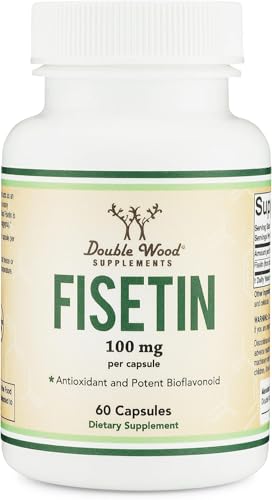
2. Double Wood Supplements Fisetin 500mg

Best for High-Dose Senolytic Protocol

Double Wood Supplements' 500mg fisetin capsules are ideal for those following intermittent high-dose senolytic protocols, since you only need 2โ€“4 capsules to reach the 1000โ€“2000mg protocols used in clinical trials. Third-party tested for purity and heavy metals, with CoA available. Double Wood has become one of the leading brands in the longevity supplement space for accessible, well-tested products at fair prices.

Pros: 500mg per capsule for practical high-dose protocols, third-party tested, CoA available, cost-effective, good brand reputation in the nootropics community.

Cons: Higher per-capsule dose may not be ideal for those wanting a daily low-dose approach without splitting capsules.

Best for: Those specifically following the intermittent senolytic protocol who want to minimize the number of capsules needed.


3. Toniiq Fisetin 500mg Ultra High Purity

Best for Purity-Focused Buyers

Toniiq markets their fisetin as "ultra high purity" at โ‰ฅ98% standardization, verified through HPLC testing. For those prioritizing purity of the active compound โ€” particularly relevant for high-dose protocols where impurities scale with dose โ€” Toniiq's rigorous testing standards are appealing. Their CoA shows HPLC purity data, which is more detailed than most competitors provide. Also offered at 500mg per capsule.

Pros: โ‰ฅ98% HPLC-verified purity, detailed CoA available, 500mg per capsule, competitive price.

Cons: Smaller brand with less overall track record than Life Extension; fewer reviews for long-term use.

Best for: Biohackers and longevity enthusiasts who prioritize HPLC-verified purity data and want maximum confidence in what they're taking.

Common Questions About Fisetin

Is fisetin safe for long-term use?

Fisetin has an excellent safety profile in the doses studied. In the ALSOVA trial (1000mg/day for 2 days per month), it was well-tolerated with no significant adverse events. Daily doses of 100โ€“500mg appear similarly safe in the human studies conducted so far. Fisetin is a naturally occurring compound found in food, though supplemental doses are far higher than dietary intake. Long-term (years-long) safety data is still being collected โ€” this is a relatively new area of clinical research.

Can I take fisetin with other longevity supplements?

Fisetin stacks well with most longevity-focused supplements: NMN/NR (for NAD+ support), quercetin (for broader senolytic coverage), urolithin A (for mitophagy), and CoQ10 (for mitochondrial support). Some users take rapamycin (a prescription drug) in combination with senolytics โ€” this should only be done under physician supervision.

How do I take fisetin for maximum absorption?

Fisetin is fat-soluble. Take it with a meal containing healthy fats (avocado, olive oil, nuts) for significantly improved bioavailability. Some sources suggest that taking fisetin alongside a small amount of quercetin may enhance absorption through inhibition of competing metabolic enzymes. Avoid taking on an empty stomach for high-dose protocols.

The Bottom Line

Fisetin is one of the most promising naturally occurring compounds in longevity research, with a validated senolytic mechanism, impressive preclinical data, and growing human trial support. While it is not a magic bullet for aging โ€” no single compound is โ€” it addresses one of the most fundamental drivers of age-related decline (senescent cell accumulation) in a way that few other supplements do.

For most people interested in a longevity-focused supplement stack, Life Extension Fisetin offers the best combination of brand credibility and daily usability. Those following the intermittent high-dose senolytic protocol should consider Double Wood's 500mg capsules for practical dosing. Pair with a fatty meal for best absorption and combine with quercetin for broader senolytic coverage.

Disclaimer: VitalGuide participates in the Amazon Associates program. Links to Amazon products on this page are affiliate links โ€” we may earn a commission if you purchase through them, at no extra cost to you. This article is for educational purposes only and should not be construed as medical advice. Consult your healthcare provider before starting any new supplement regimen, especially if you are on medications or have a medical condition.

Related Articles

Browse all Vitamins & Supplements guides →

Get Weekly Wellness Tips

Join 50,000+ readers who get our weekly roundup of the best health products, deals, and evidence-based wellness advice.