โšก As an Amazon Associate, VitalGuide earns from qualifying purchases. This helps us keep the site free.

Best Digestive Enzyme Supplements 2026: Who Needs Them & What to Buy

By the VitalGuide Editorial Team ยท April 2026 ยท 10 min read

Digestive enzyme supplements are one of the fastest-growing segments of the gut health market โ€” and for good reason. Unlike probiotics, which primarily affect the microbial environment, digestive enzymes work immediately and mechanically: they break down food into absorbable components, reducing the undigested material that feeds fermentation, gas production, and bloating in the lower gut.

For some people, supplementing with digestive enzymes is transformative. For others, they're unnecessary. This guide explains exactly how digestive enzymes work, who benefits most, which specific enzymes matter, and which products are worth buying in 2026.

What Are Digestive Enzymes?

Digestive enzymes are proteins that catalyze the breakdown of food macronutrients. Your body produces them naturally โ€” primarily in the pancreas and small intestinal lining โ€” and they are released in response to eating. The three major categories are:

  • Proteases โ€” break proteins into amino acids and peptides
  • Lipases โ€” break fats (triglycerides) into fatty acids and glycerol
  • Amylases โ€” break starches and carbohydrates into simple sugars

Beyond these core three, specialized enzymes handle more specific substrates:

  • Lactase โ€” breaks down lactose (milk sugar)
  • Alpha-galactosidase โ€” breaks down oligosaccharides in beans and vegetables (the main cause of "musical fruit" effect)
  • Cellulase โ€” helps digest plant cell walls (humans don't produce this naturally)
  • Bromelain / Papain โ€” plant-derived proteases from pineapple and papaya, respectively
  • Phytase โ€” breaks down phytic acid, improving mineral absorption from grains and legumes

Who Benefits Most from Digestive Enzyme Supplements?

Digestive enzymes have a clear evidence base for certain populations and more modest evidence for others.

1. People with Exocrine Pancreatic Insufficiency (EPI)

EPI occurs when the pancreas fails to produce adequate enzymes โ€” common in chronic pancreatitis, cystic fibrosis, and after pancreatic surgery. These patients require prescription pancreatic enzyme replacement therapy (PERT) such as Creon. For EPI, enzyme supplementation is medically essential, dramatically improving nutrient absorption and symptoms.

2. People with Lactose Intolerance

Roughly 68% of adults worldwide have some degree of lactose malabsorption due to declining lactase production after childhood. Lactase supplements are highly effective โ€” taking a lactase tablet with dairy prevents the bloating, gas, and diarrhea that would otherwise occur. This is one of the best-studied applications of digestive enzyme supplementation, with consistent clinical evidence of benefit.

3. People with IBS or Functional Bloating

Irritable bowel syndrome and functional digestive disorders involve impaired digestion and fermentation of unabsorbed carbohydrates. Enzyme supplements โ€” particularly those containing protease, amylase, and alpha-galactosidase โ€” may reduce the substrate available for fermentation, decreasing gas and bloating. A 2014 study in Alimentary Pharmacology & Therapeutics found that a multi-enzyme supplement significantly reduced bloating and discomfort in IBS patients compared to placebo.

4. Older Adults

Digestive enzyme production naturally declines with age. By the time adults reach their 60s and 70s, pancreatic enzyme output may be reduced by 40โ€“60% compared to younger adults. This contributes to increased indigestion, reduced nutrient absorption, and age-related malnutrition. Supplementing with a broad-spectrum enzyme blend is a low-risk, potentially high-benefit intervention for this population.

5. People on High-Protein or High-Fat Diets

Athletes eating 200+ grams of protein per day, and those following ketogenic or high-fat diets, place significant demands on proteolytic and lipolytic enzyme systems. Some evidence suggests that enzyme supplementation improves protein absorption and reduces the digestive discomfort associated with very high protein intakes โ€” particularly with casein and plant proteins, which are harder to digest than whey.

Key Enzymes to Look for in a Supplement

Enzyme What It Does Best For
Protease blend Breaks down proteins High-protein diets, bloating
Lipase Digests dietary fats High-fat diets, EPI
Amylase Breaks down starches Carb-heavy meals
Lactase Digests lactose Lactose intolerance
Alpha-galactosidase Breaks down legume oligosaccharides Beans, cruciferous veggies
Cellulase Breaks down plant fiber Plant-based diets

Best Digestive Enzyme Supplements 2026

1. Enzymedica Digest Gold โ€” Best Overall

Enzymedica's Digest Gold is the most widely recommended comprehensive digestive enzyme supplement on the market โ€” and for good reason. It uses Enzymedica's proprietary Thera-blend technology, which combines multiple strains of each enzyme type to ensure activity across a wide pH range (meaning the enzymes remain active throughout the digestive tract, not just in one section). Each capsule contains a high-potency blend of amylase, protease, lipase, cellulase, and additional carbohydrases. It's free from fillers, dairy, gluten, and artificial ingredients.

Independent testing consistently shows Enzymedica Digest Gold delivers among the highest enzyme activity per capsule of any consumer product. For anyone dealing with regular bloating, post-meal discomfort, or wanting comprehensive digestive support, this is the starting point.

Best for: General digestive support, bloating, high-protein/high-fat diets, plant-based eaters.


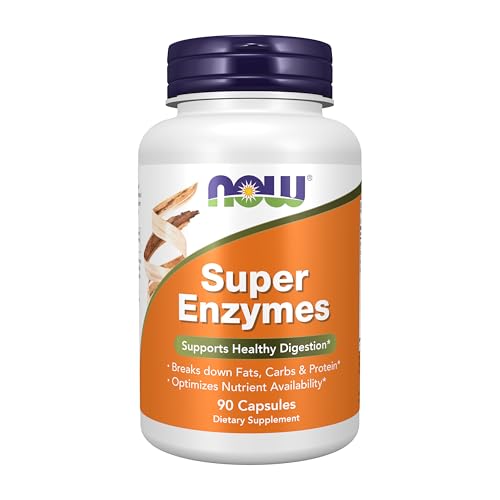
2. NOW Super Enzymes โ€” Best Value Broad-Spectrum

NOW Super Enzymes offers a comprehensive enzyme formula at a fraction of the cost of premium brands. Each tablet provides betaine HCl (supports stomach acid), bromelain, ox bile (for fat emulsification), pancreatin (a natural pancreatic enzyme complex providing protease, lipase, and amylase), and papain. This combination mimics natural digestive secretions more closely than most enzyme-only products, making it particularly useful for people who suspect low stomach acid (common with aging and proton pump inhibitor use) in addition to enzyme insufficiency. NOW Foods maintains strong GMP manufacturing standards and third-party testing.

Best for: Budget-conscious users, older adults, those on high-fat diets, people with suspected low stomach acid.


3. Garden of Life Dr. Formulated Enzymes โ€” Best for Plant-Based Diets

Formulated by David Perlmutter MD (neurologist and author of Grain Brain), this enzyme formula is specifically designed around plant-based eating. It contains a full-spectrum enzyme blend plus a probiotic component (Lactobacillus acidophilus and Bifidobacterium lactis), which Garden of Life argues helps support the enzymes by also improving the colonic environment. It includes cellulase and hemicellulase for breaking down plant cell walls โ€” critical for extracting nutrients from raw vegetables and whole grains โ€” along with alpha-galactosidase for legumes. Non-GMO, gluten-free, vegetarian certified, and third-party tested.

Best for: Vegans, vegetarians, people eating high quantities of raw vegetables, plant-protein users.

How to Take Digestive Enzymes

  • Timing: Take with the first bite of food, or up to 5 minutes before eating. Mid-meal is acceptable for large meals.
  • Dose: Follow label instructions; more is not better once you hit the threshold for your meal size.
  • Storage: Most enzyme products should be stored in a cool, dry place. Heat above 140ยฐF (60ยฐC) denatures enzymes โ€” don't leave them in a hot car.
  • Cycle: Unlike probiotics, digestive enzymes don't require cycling. Many people use them daily long-term without issue.

Are Digestive Enzymes Safe?

For the vast majority of users, digestive enzyme supplements are very safe with minimal side effects. Rare adverse effects include nausea (usually from taking on an empty stomach), mouth or throat irritation (with chewable forms), and, at very high doses, uric acid elevation from nuclease activity. People with active peptic ulcers should avoid products containing betaine HCl without medical supervision. Those with pancreatitis should consult a physician before supplementing.

Unlike probiotics, which can occasionally cause temporary SIBO-like symptoms in susceptible people, digestive enzymes have no bacterial component and generally do not cause the adjustment period some people experience with probiotic supplementation.

The Bottom Line

Digestive enzyme supplements have clear benefits for people with enzyme insufficiency, lactose intolerance, IBS, and age-related digestive decline. For healthy young adults without digestive symptoms, they're probably unnecessary โ€” but they're harmless to try. If you regularly experience bloating, post-meal discomfort, or undigested food in stool, a broad-spectrum enzyme supplement taken with meals is one of the most evidence-supported interventions available without a prescription.

Disclaimer: VitalGuide participates in the Amazon Associates program. This article is for educational purposes only and should not be construed as medical advice. If you have been diagnosed with pancreatic exocrine insufficiency, inflammatory bowel disease, or other gastrointestinal conditions, consult your healthcare provider before adding any supplement to your regimen.

Related Articles

Browse all Supplement guides →

Get Weekly Wellness Tips

Join 50,000+ readers who get our weekly roundup of the best health products, deals, and evidence-based wellness advice.